

How to Start a Small Game Hunting Camp (and Why You Should)
All it takes is good hunting, the right people, and a willingness to start a new small game hunting tradition
When most hunters imagine a hunting camp, they think of deer, moose, or elk. Rarely do they picture a group of friends gathering to hunt squirrels, rabbits, grouse, or snowshoe hares, especially during the cold winter months when most of us are already longing for the milder days of autumn. But there’s a strong case to be made for starting a small game hunting camp of your own.
The best part is that you don’t need a remote cabin, a large piece of private property, or an elaborate setup to make it happen. A small game hunting camp can be as simple as a few tents, a rented cabin, or an underutilized deer camp surrounded by good hunting opportunities. What matters most is having somewhere to hunt, a place to rest your head at night, and a group of like-minded people willing to make a tradition out of it.
I want to keep one foot in the door of accessibility here because the reality is that many hunters don’t have an established cabin they can call home. Maybe that’s one of the best things about small game hunting: the places these animals live allow for a lot of flexibility in what exactly makes a “camp.”
With that said, let’s dig into why you should start a small game hunting camp and how to go about it.
Why Small Game Makes for Great Hunting Camps
A lot of people are part of well-established camps for species like white-tailed deer, yet those same camps often go unused throughout most of the season. There are exceptions, sure, but let me ask you this: if you’re part of a hunting camp that only gets used a couple times a year, why not inquire about going up for a weekend of chasing gray squirrels, especially if your camp employs deer baiting strategies where squirrels get fat from all that corn?
Read: How Small Game Hunting Makes You a Better Big Game Hunter
Arguably, most deer hunting camps are actually small game camps unrealized. This is a shame because if hunting cottontails, squirrels, and upland birds is good for anything, it’s getting folks into hunting that are brand-new to the concept. North America’s woods and plains, deserts and marshes are chock-full of opportunities to extend our hunting seasons and introduce newcomers to the outdoors, but seldom do we take the time to make it so. Starting a small game camp is an ideal way to be in the field more.
Starting a Small Game Hunting Camp
Choose Your Hunting Location and Species
Before you start looking for a cabin or inviting friends, figure out what you want to hunt and where you want to hunt it. Not every small game camp is going to look the same. In my neck of the woods, ruffed grouse, snowshoe hares, and American woodcock make up the bulk of our hunting. Elsewhere, a camp might revolve around cottontail rabbits, squirrels, or a combination of upland birds and small game.
Start by looking at the public and private hunting opportunities available to you. Consider which species are common in the area, when their hunting seasons overlap, and how much ground your group can reasonably cover during a weekend. You should also check local hunting regulations, access requirements, and any additional permits you might need before settling on dates.
Read: How to Get a Small Game Hunting License
A camp that offers opportunities to hunt multiple species can make the experience even more rewarding, especially when changing weather or hunting conditions force everyone to adjust their plans. You don’t need to travel halfway across the continent, either. Sometimes the best place to start a small game hunting camp is somewhere you’ve already been hunting for years.
Find a Place to Stay Near the Hunting Grounds
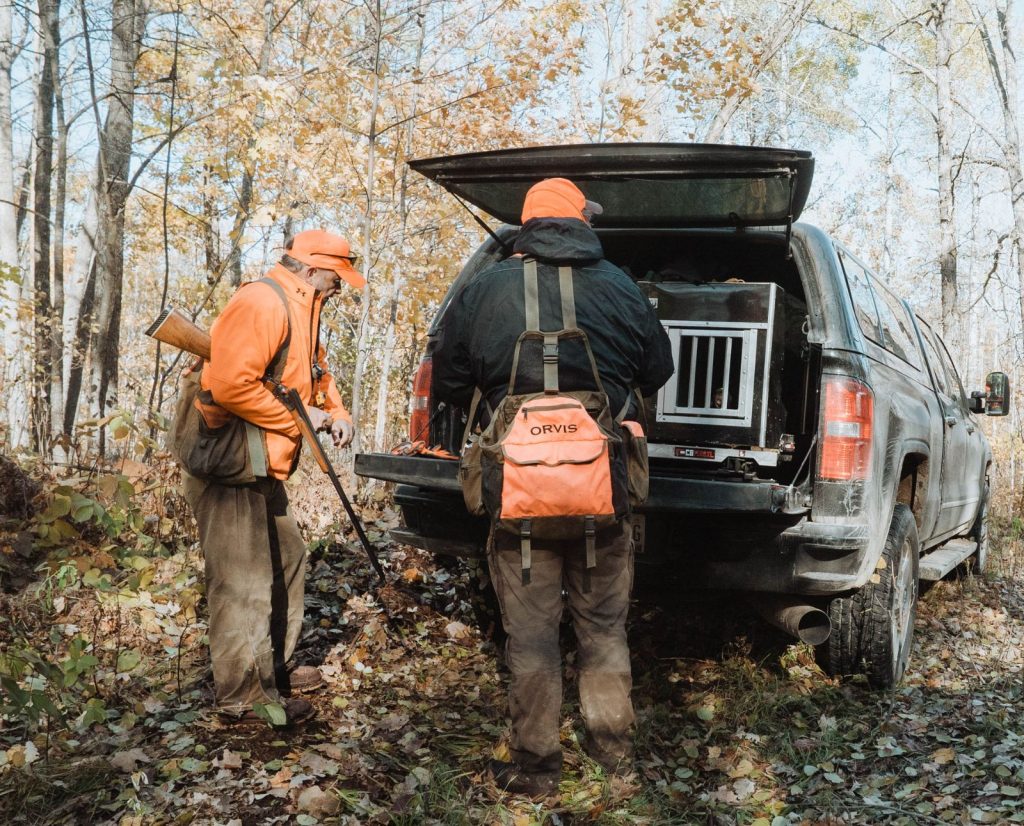
The important thing to remember is that “camp” is a loose definition of some place where you can rest your head at night. It doesn’t have to be some cabin in the wild. The two important factors of actually finding a place to use as a camp are proximity to where you want to hunt and how many people it can hold. Depending on where your hunting location is, this might mean circling the wagons (vehicles) around a collection of tents, or maybe a couple of trailers up a forest access road. It can also be a rented cabin, cottage, or house that all of the members go in on.
Remember that it’s likely that everyone is going to want to do more hunting during the day rather than driving to and from the hunting grounds. Try to set your accommodations as close to the area you plan on hunting as possible.
Invite the Right People and Share Camp Responsibilities
If you’re starting your own small game camp, it’s important that you do it with some like-minded individuals who know exactly what they are in for (more on this below). I always go with my gut on this one, and only on one single occasion have I made the mistake of inviting someone who didn’t fit the bill at all. That was a hard lesson to learn, and there was no way around it.
Remember that this kind of camp, like every hunting camp, is a collective. All tasks should not be left to one individual. Creating a list of chores and assigning tasks to each person can help. Even better if you can put people on teams and rotate them throughout the trip, so everyone gets to enjoy at least one full day with no chores.
Plan for Weather and Hunting Safety
Having a plan in place for those days where the weather doesn’t allow for hunting should also be taken into consideration. What’s nearby that can offer a sanctuary during inclement weather? Are the folks in camp people you would happily be stuck with indoors for 24 hours or more if, say, a snowstorm socked you in?
Communication is also an integral part of this whole recipe as well. Be open to what the other members of camp want to do, or how they want to go about conducting a hunt. When our camp is out chasing hares, we’re constantly communicating to one another. Not only is it extremely thick and dense country where it’s possible to get shot if someone wasn’t paying attention, often a hare will break from cover and run in-between hunters. When we approach cover that might be hiding a hare, we communicate who is going to approach it, and who is going to position themselves for a shot. Never have we had an accident, and I praise communication as being a large part of the reason why.
Managing Expectations at Small Game Hunting Camp
By far the hardest part of starting a small game camp, at least in my experience, has been finding folks who genuinely want to be out doing what we do. The friends and family that take part in our camp have to understand what they’re in for. Mostly we’ve succeeded in finding a core group of people who not only get it, but enjoy it. This is important because sometimes, one negative attitude can dampen the energy in and around camp. Nobody wants that.
If the area around your camp involves pushing through dense briars with razor-sharp thorns capable of leaving a hunter half-scalped in the name of a cottontail, make sure the hunters that you invite are one hundred percent down to be a part of that. It’s always been my experience that so long as anyone attending knows exactly what to expect, very little is up for interpretation.
Small game camps are as much about the hunting as they are about the circle of folks who take part in them. You have to be loose about your expectations of taking meat home at the end of a trip because, ultimately, a small game camp isn’t a freezer-filling event. Hunting for bag limits is the last thing that should be on everyone’s mind, and that ought to be reflected throughout the mentality of those who attend.
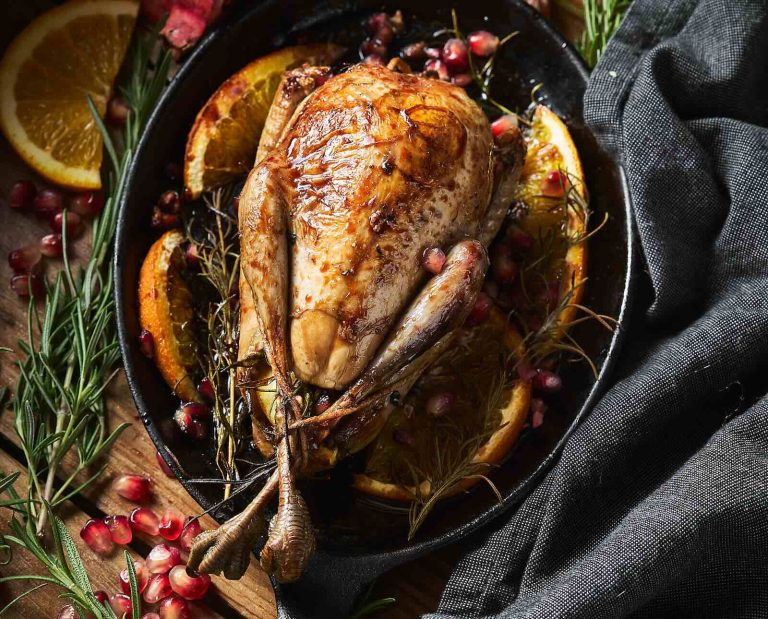
Another aspect that I didn’t expect when I got my small game camp going was just how much I would end up learning from the other members, especially when it comes to cooking. This is especially true with the legendary inedibility of the snowshoe hare. When we run our camp and our friends get into a couple of hares, the delicious-looking photos of the food they cook a few days later always baffles me.
Cook: Explore Project Upland’s Small Game Recipes
How Our Small Game Hunting Camp Became a Tradition
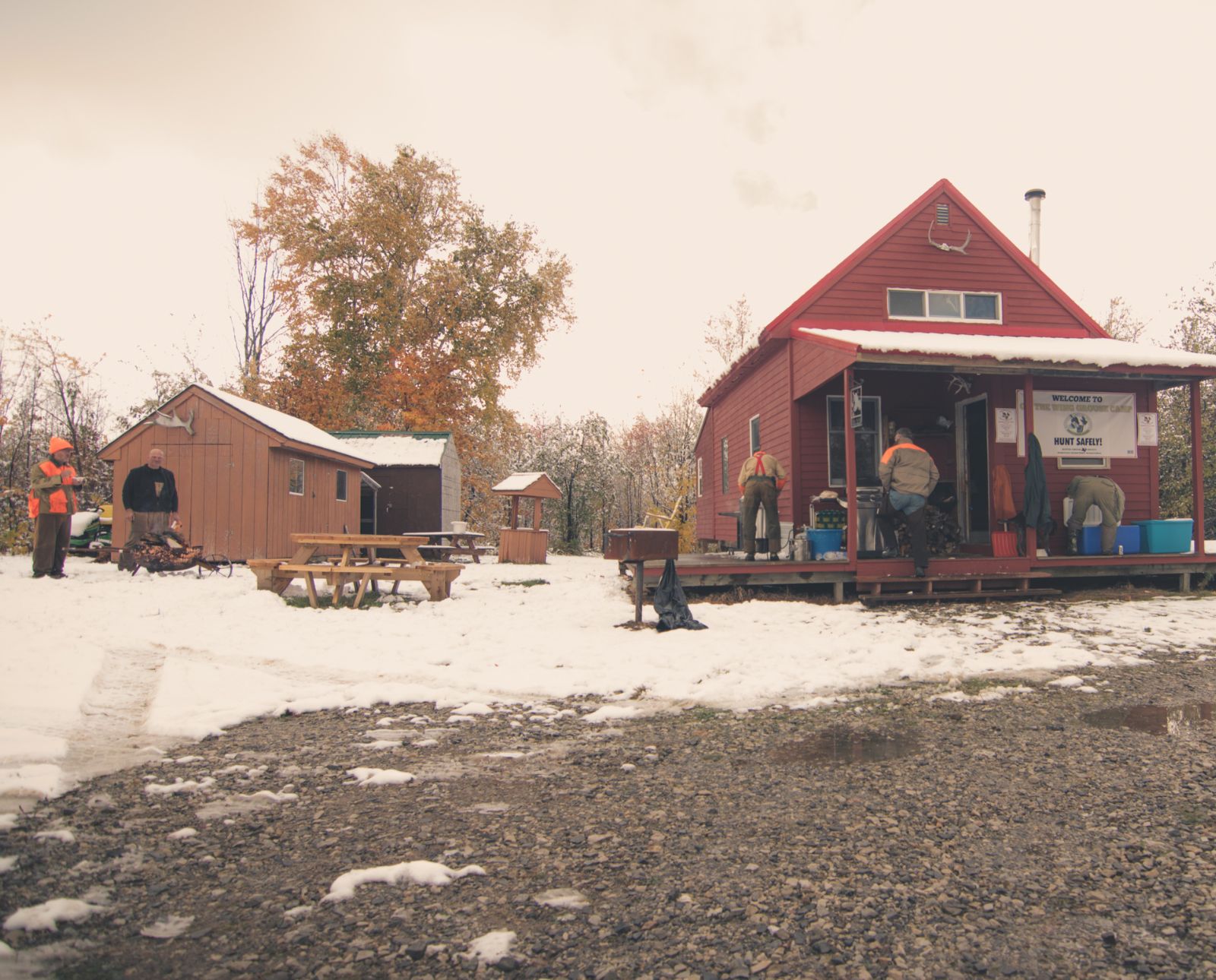
When we started our small game camp, it was by chance. It turned out that a family member had a small cabin tucked away back on some prime upland territory that mostly went unused. I was quick to jump at the chance to start something with it, but I had no idea that it would turn into a yearly tradition.
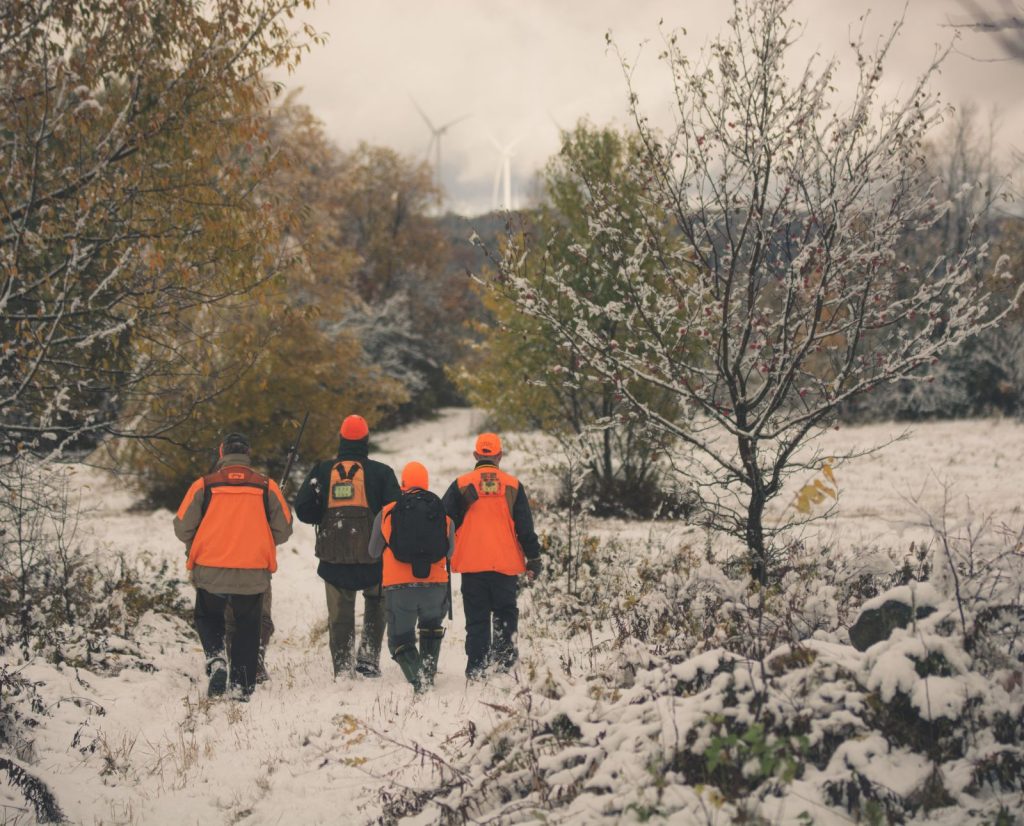
But that’s exactly what happened. What started as a three-day small game and upland extravaganza between my brother, father, and myself turned into a camp that occurred twice a year with rotating members. We craved the heat from the woodstove and the uncomfortable single mattresses, the frigid temperatures and the long walks in hellish places looking for grouse and hares.
It would seem that while deer, moose, and the other lavish poster children of hunting camps get most of the attention, perhaps by starting a small game camp, you begin rewriting what “camp” actually is. Everyone loves a freezer full of dark, delicious meat at the end of the big game season. But what I find that I desire most are those camp meals of spatchcocked grouse or hare ragu cooked over open flames. Or the conversations around the dinner table between friends who don’t see each other all that much, and when we do, it’s at camp.
Some traditions are born to die, but they have to be born first in order to follow their fate. There may be no finer feeling than sitting in the glow of the evening light, next to those you hunt with and trust to endure the same things afield as you, knowing that all of you are in good company and a part of something different.
Why a Small Game Hunting Camp Is Worth Starting
The reality is that while we all wish we had that warm, canvas-walled tent somewhere in the foothills of the Rockies, a lot of us are relegated to our realities. But reality often isn’t all bad, and while it might not be all whitetail bucks and bugling elk, a good small game camp can still be one of the highlights of the year. If I had to choose between one or the other, you could bet your granddaddy’s shotgun that I’m going to the small game camp every single time.
Small game hunting isn’t something that should be overlooked, especially when the options are so widespread. With all the information of the world right at our fingertips, there certainly has never been a better time to start a new tradition in the North American woods. If you let it, small game hunting might just lead the way.