

A Guide to Woodcock Hunting
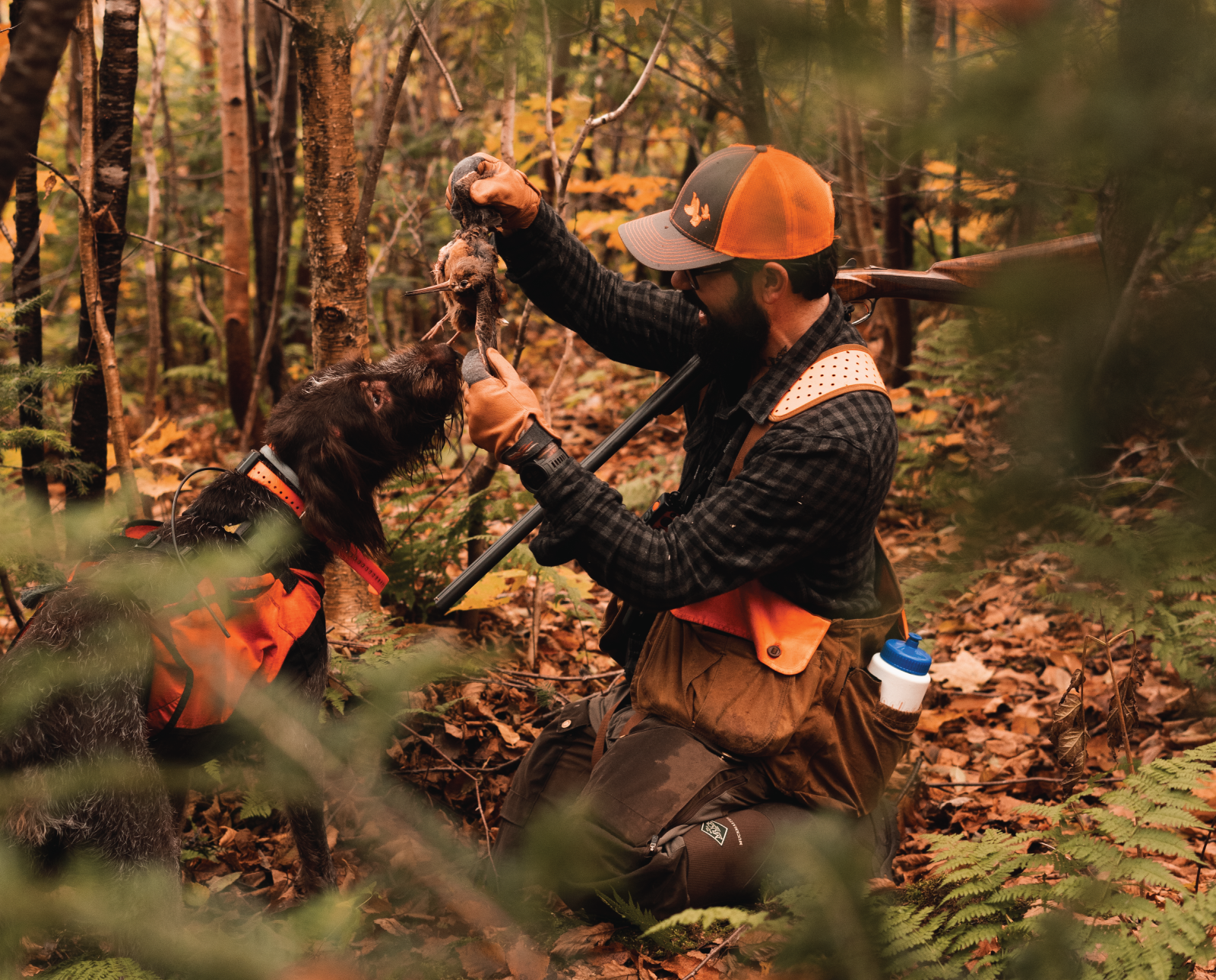
Everything you need to know about hunting woodcock, a unique game bird that offers amazing opportunities for wingshooters, bird dogs, and dinner plates
The American woodcock is one of the most widely available wild upland game birds to hunt in the eastern half of the United States. This iconic species receives a surprising amount of attention for a bird that roughly weighs only between 4.5 and 7.75 ounces, with females being the larger of the two. For states that have struggled with ruffed grouse and bobwhite quail decline, it can be the only true wild bird opportunity left—if we do not count snipe among those classic upland pursuits.
As a game species, woodcock present some unique opportunities. Their tendency to hold tight makes for easy dog work, and their erratic flight patterns have earned them nicknames like mudbats, Labrador twisters, and timber rockets. They have also proven to be resilient and adaptable to modern society, supporting the “if you cut it, they will come” forest management mentality. Unlike ruffed grouse and bobwhite quail, which cannot survive in fractured habitat, woodcock respond quickly to habitat management. This allows areas throughout the country to sustain and even increase hunting opportunities for this migratory bird, with strong payback in short periods of time, as woodcock thrive in early successional habitat as young as one to three years old.
Within the world of upland pursuits, woodcock hunting is one of the best entry-level opportunities. While woodcock certainly learn to walk off points, they still have a tendency to hold tight, providing exceptional learning experiences for both inexperienced dogs and novice hunters. And while the shooting can sometimes be frustrating, it is achievable and action-packed.
This guide will help you learn key principles such as habitat identification, shooting techniques, and hunting tactics to help you succeed this woodcock season.
Woodcock Hunting Gear
Hunting woodcock presents a couple of key considerations when choosing gear: they often live in wet, low-lying places and in incredibly dense cover. Beyond those factors, the gear is pretty interchangeable—a shotgun you can shoot well and clothing that fits the weather are the essentials. Like any upland pursuit, you can fine-tune gear to extremes or keep things as basic as possible.
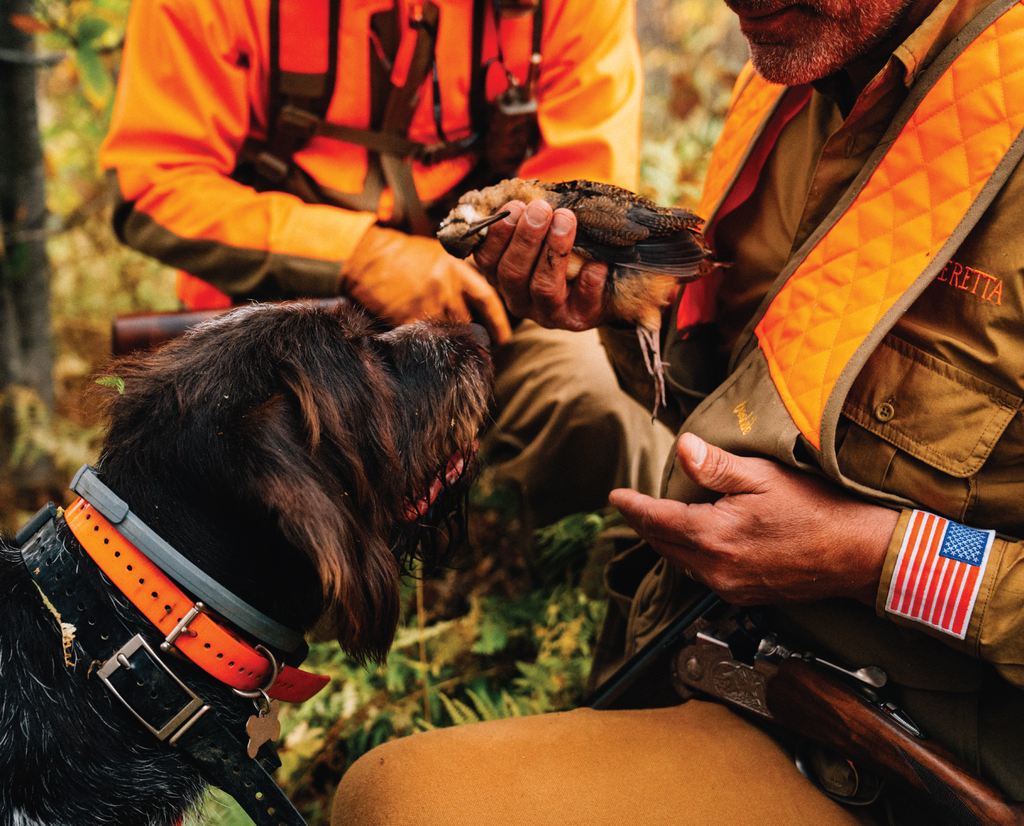
Woodcock Hunting Shotguns
I’ll confess that I have a profound, fine-tuned obsession with grouse guns. I say “grouse guns” because the foundational theories that have gained traction over the years make ruffed grouse shotguns the focal point of this conversation; their basics are interchangeable with woodcock guns.
First and foremost, a shotgun you can shoot straight will outdo the finest double gun in the world—unless, of course, that fine double is the gun you shoot straight. I don’t want folks to lose sight of the fact that shotgunning is a topic you can choose to obsess over or not.
The basic theory behind a good woodcock shotgun is a spin-off of the principles William Harnden Foster established in his book New England Grouse Shooting and later articulated by Gene Hill through his concept of a “gun of specialty function”: “It’s a special gun, built for snap shooting in the heavy alder and birch covers and for ease toting up and down New England hillsides.”
Gauge can be an interesting discussion for woodcock hunting: these small birds don’t take much to kill, and too much can become a liability. While plenty of folks use 12- and 16-gauge shotguns, I encourage woodcock hunters to lighter loads and smaller shot. The 20-gauge—the most popular upland gauge in the United States—is certainly a great choice. The less popular 28-gauge, in my opinion, is one of the finest choices. I’m often not thrilled about the .410, but I have hunted woodcock with them over the years; paying attention to patterning issues with this gauge can make it an exceptional choice for some.
Chokes and Shot Size
Chokes and shot size for woodcock follow a pretty straightforward principle: wide-open chokes and small shot. Most woodcock shooting happens under 25 yards, and more likely around 10 to 15 yards if one chooses not to let them get out farther.
Personally, I usually shoot a double-barreled shotgun with cylinder and skeet I chokes. This is the same setup I use for ruffed grouse hunting.
Although I frequently get flak for the following comments, I’ll stick to them steadfastly: barrel length should have everything to do with balanced, smooth swing. That means 28-inch or even 30-inch barrels are a far better choice than the mythical short-barreled grouse guns that go as short as 24 inches. The truth is, when you cannot swing a shotgun in thick woodcock cover, it has nothing to do with a few inches of barrel and everything to do with the nature of the beast. However, a good swing, produced by a well-balanced shotgun (meaning 28-inch barrels, give or take) will actually kill more birds again and again, which leans in favor of longer barrels.
Woodcock Hunting Boots
Woodcock hunting usually involves a moderate amount of walking compared to other upland game birds. The biggest factor when choosing boots for woodcock hunting is water. Woodcock love river valleys, lowland shrubs, and generally wet areas that often require crossing water or muck.
I’ll admit, I’m a rubber-boot heathen. With the improved soles on these classics over the past decade, they’re better than ever. I wear a pair of knee-high muck boots and have an inherent distrust of lace-up boots in wet conditions. That said, a well-waterproofed lace-up boot can work; just remember, things can get deep and muddy.
Brush Pants
Edmund Davis, the father of woodcock hunting, wrote in 1918, “Along the shore of Narragansett Bay and in the dense thickets about Kingston Hill a suit of mail would not be amiss, for the large, green bull-briars are so thick that they twine themselves about you like the long, stinging feelers of the cuttlefish, and when you are once in their embrace they will fondle you well. Those dense jungles mean mischief to him who has the courage to enter them and do battle, and unless you are properly clad you will come forth like the beggar, all tattered and torn.” This sums up what traditional woodcock cover often looks like and the necessity of brush pants.
Brush pants are about the only other piece of gear worth a bit of discussion. Woodcock often live in areas that are not only dense but also full of briars—hence the original reason upland pants were reinforced. While this isn’t true everywhere woodcock are found, you’ll still be dealing with branches and whips scraping against your thighs and shins all day long. The best-designed upland pants often come from regions like New England, where these conditions are simply part of the habitat. Woodcock hunting is not open-country hunting.
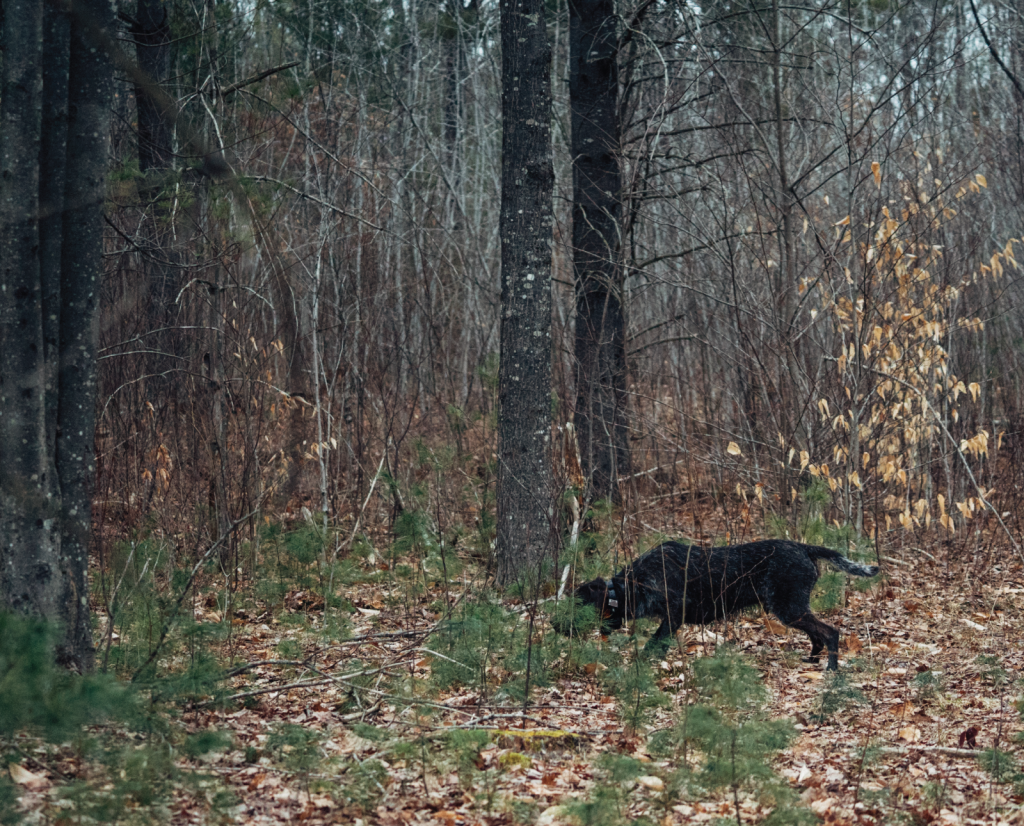
Hunting Vests, Jackets, Hats, and Blaze Orange
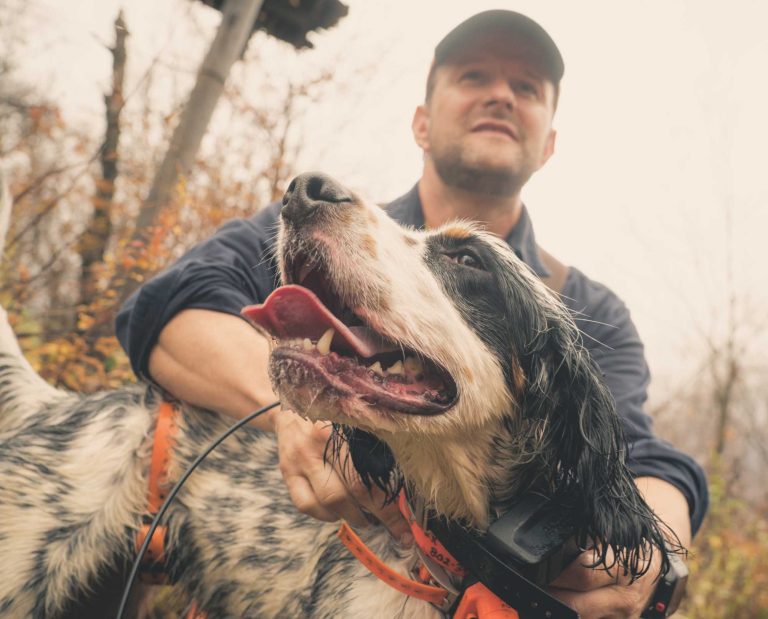
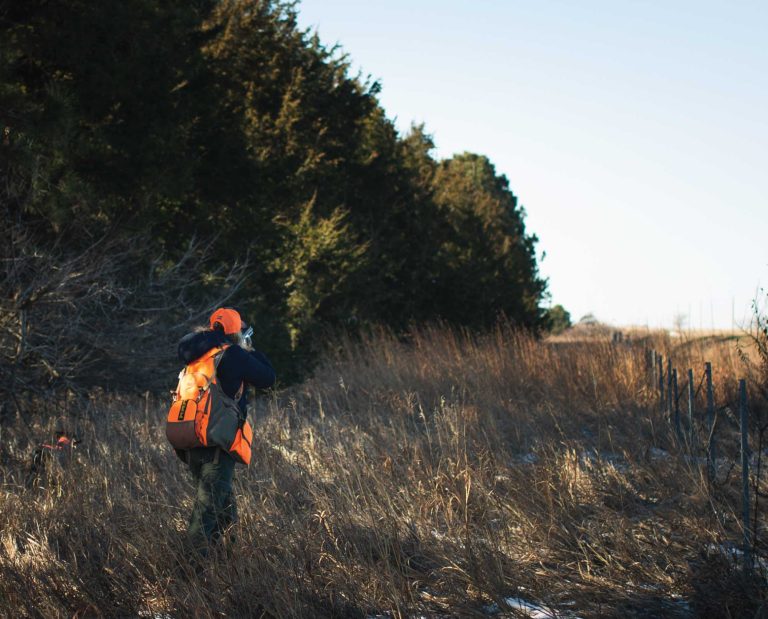
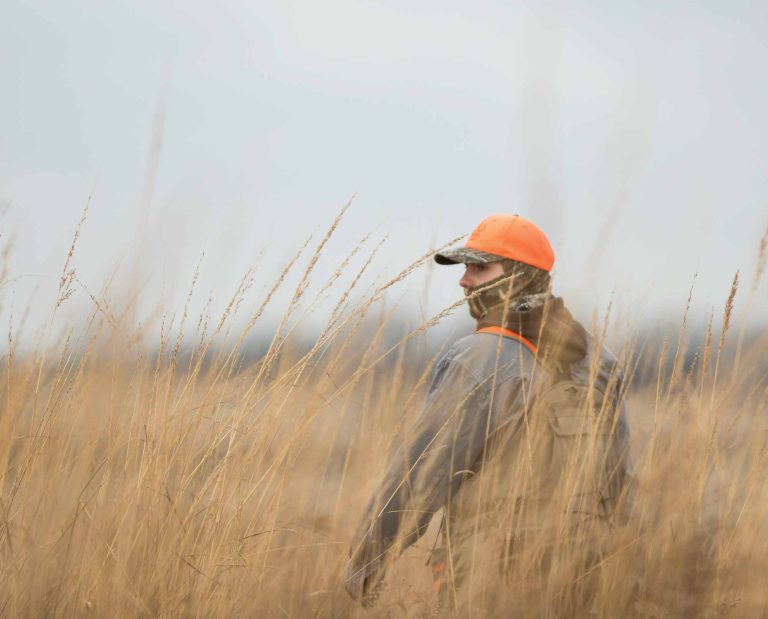
When it comes to the rest of your woodcock hunting gear, only a few more factors matter. First, blaze orange is non-negotiable. The cover itself demands extra safety—especially when hunting with others. A blaze orange hat in whatever style you prefer will work, though expect it to get hung up on branches. I even run a blaze orange vest on my dog because good luck seeing a dark-colored dog in thick cover at five yards on an overcast day. That visibility issue is actually one of the main reasons hunters over generations began favoring white-coated dogs like English Setters and Brittanies.
Whether you choose a jacket or a bird vest is a matter of personal preference (I suggest either be blaze orange). You’ll need something to carry shotshells, harvested birds, and other essentials like water and first aid supplies. Dress for the weather, and you’re good to go.
Understanding Resident Birds Versus Flight Birds
Migration plays a significant role in many tactics related to woodcock hunting. A basic understanding of the difference between resident birds and flight birds is necessary.
I will not attempt to explain the dark arts debate of how to identify the difference between a flight bird and a resident bird, but will instead define them in a simple scientific sense. A resident bird is a woodcock that spends most of its nonmigrating life in a specific area. This often represents the northernmost part of that individual bird’s migration route. Resident birds can exist almost anywhere along their migration route, but the densest populations tend to be in the North Country. These birds move at dusk and dawn, making small flights within a general area to feed. Once they get up and begin their journey south for the season, they become flight birds.
Read: Aging and Sexing American Woodcock
Flight birds are woodcock that are in the process of migrating south (or north in the spring). While they often return to areas they know during migration, they do not know these areas as well. Flight birds are generally opportunistic, meaning they use stopover cover when it suits them. This could be for simple rest or for other factors such as weather events, including wind and storms.

Understanding Woodcock Habitat
Woodcock habitat, or “cover,” can be boiled down to one basic concept: worms. This conclusion has been drawn for well over a hundred years and was articulated heavily through scientific research since the 1950s. In fact, William Sheldon, author of one of the most important pieces of literature on woodcock, The Book of the American Woodcock, very much emphasized his scientific findings that earthworm habitat is woodcock habitat.
Like the classic alder runs we so often associate with them, woodcock cover is not created equal, and woodcock can seem to be in the most unlikely places as well as the obvious ones. Since we are looking at the most fundamental building blocks for this piece of the puzzle, I will spend less time on the technical and more on the observable. Sheldon wrote, “The vegetation of habitat differs widely from one area to another, but the basic requirements of young growth and other characteristics described in this volume differ little whether the bird is living in the bayous of the South or the mixed forests of the North.”
In conclusion, we can boil woodcock habitat down to a really basic idea: food (worms), thick cover (shrubland or early successional growth), and the need for open areas. There are always exceptions to these things, and there are nuances that can involve mature white pine stands to the north faces of mountains, but for this discussion, we are establishing a solid core idea.
Lowland shrub habitat is where the tried-and-true method of targeting alder comes into play. Alder means perfect soil conditions for—you guessed it—earthworms. Add in their frequent proximity to bodies of water, which have served as superhighways for the spread of nonnative earthworms, and you have one of the most commonly associated habitats.
In hardwood forests, early successional growth is great cover. Sheldon correlated, believe it or not, a soil study in England called Mull and Mor Formation in Relation to Forest Soils that identified plant and tree species in relation to nitrogen levels in the soil—and abundance of woodcock. Alder was the highest-ranking species in relation to nitrogen, and aspen was fourth, along with birch being eleventh—all species we associate with woodcock. Sheldon believed the reason all these species are associated with woodcock is because they are associated with good conditions for worms.
Hardwood forests can have some identifiable structural locations past early successional growth that can be hot spots for woodcock, especially during migration events. Overgrown logging and tote roads offer both enough of an opening for woodcock to land as well as moist soils and standing water that all make them solid bets for woodcock. Overgrown log landings and their edges again provide a place to land as well as abundant cover and areas to feed.
Abandoned farmlands are another sure bet for woodcock habitat. These earthworm-rich soils often combine with anything from lowland shrub, upland shrub, or early successional hardwood habitats. As a New Englander, this is one of the most traditional methods of woodcock hunting past the classic targeting of alder lowlands.
These core ideas and habitats can set any woodcock hunter in the right direction and while there are nuances in all of these and other less obvious areas to hunt woodcock–these set a solid foundation to find good woodcock habitat.
The Role of Moisture in Woodcock Habitat
Woodcock want to be where worms and bugs are, which generally means moist areas. In fact, outside of flight birds, it can be unusual to find woodcock in areas with dry soil. In years of drought, this can cause a complete exodus from areas that traditionally hold woodcock, making the need to find water sources incredibly important.
There are a few telltale signs that one can learn to recognize in good woodcock areas. Lots of soft rotting wood on the ground means good moisture retention—and, therefore, the possibility of woodcock. Thermal currents, a topic I am very familiar with from whitetail deer hunting, can also play a role. Areas where cool air tends to settle because of thermal currents created by the land and tree cover can be honey holes for woodcock.
This expands to other concepts, like how we hunt woodcock along the Appalachian Mountain range. North-facing slopes receive less direct sunlight, tend to retain more moisture, and are therefore more apt to provide good woodcock conditions. This is all simply to say that one should always keep the concept of moist soil in mind when looking for woodcock.
The opposite is also true. While dry soils create poor woodcock conditions, frozen ground is just as useless to them and forces woodcock to migrate.
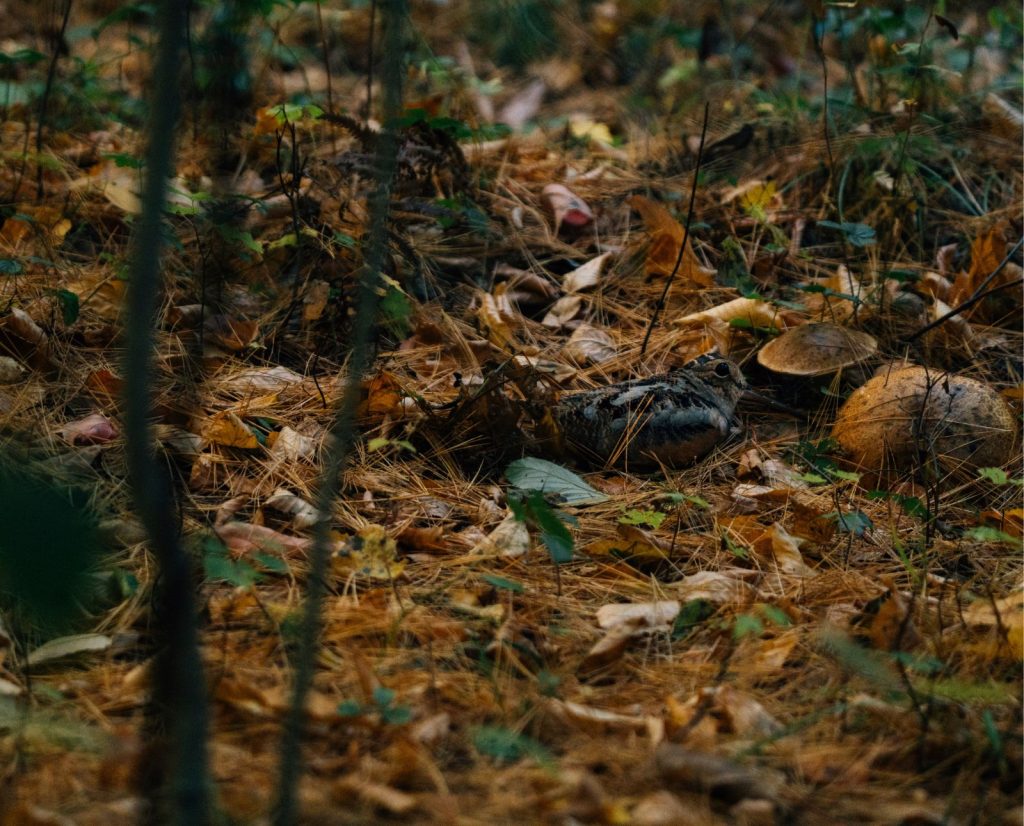
Whitewash, Chalk, or Splash: Woodcock Sign
Woodcock offer something unique compared to most upland birds. While one can find droppings from grouse and other species, I would never put any significant attention on them as a serious tactic for finding those birds. Woodcock, however, leave a much more obvious white liquid substance that stands out on the forest floor. Depending on where you are in the country, folks will refer to it as whitewash, splash, or chalk.
This easily identifiable splash offers hunters discovering new woodcock covers evidence of woodcock presence even when no productive bird activity occurs. It can tell a story—evidence of a recent migration event or even a core area for resident birds. When you come across this evidence, you can mark that location as a sure bet for woodcock—just as long as you can get the timing right.
The Fall Migration of Woodcock
Woodcock are a migratory bird despite their loving home among upland hunting culture. Each fall, woodcock from as far north as Canada will begin their southern migration to Louisiana, Texas, Florida, just to name a few. While I will not get too into the weeds on the fascinating details of woodcock migration, we will establish some relevant ideas for the purpose of hunting them.
First and foremost, folks will often refer to two migration routes, the Eastern and Western flyways, which are made up of five Canadian provinces, 37 American states, and the District of Columbia. The categorization is largely due to management plans and is not something relevant to this discussion as woodcock can move between both flyways.
For the sake of keeping this section to the point, I am going to generalize some key data points and suggest reading my other article, “Understanding the Fall Woodcock Migration,” if you are interested in further details. Woodcock will begin migration from the middle of October through the second week of November. Once begun, woodcock can continue migrating south for as little as a few days or even continue movements well into January.
These migration events, or rather, their stopover presence, are referred to as “a fall of woodcock.” Hunting flight birds is one of the most coveted events for woodcock hunters (and dogs), as small areas can hold high densities of birds that offer wingshooting opportunities that are unparalleled compared to resident bird situations. At the core of this discussion is our desire to predict these events, but I will warn you they are more like dark arts than fine science, littered with old wives’ tales that have not held up against modern science.
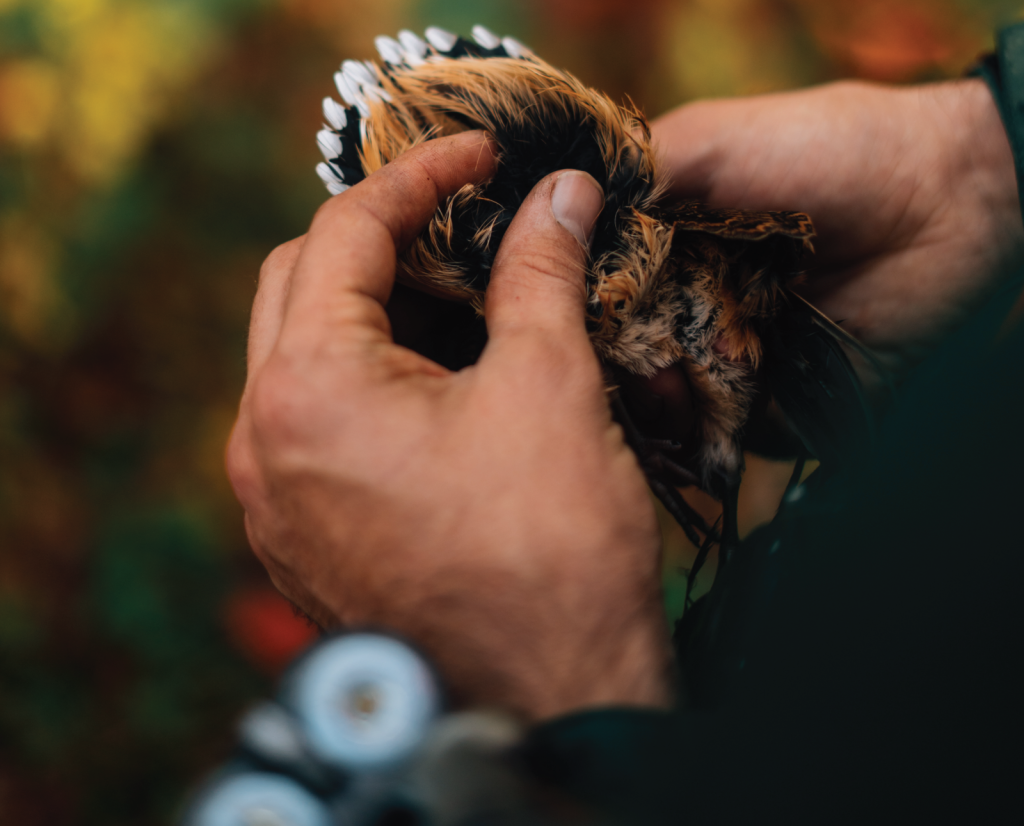
Triggers for Woodcock Migration Events
What we now know from a scientific standpoint has come with the recent advancement of GPS technology through the Eastern Woodcock Migration Cooperative. When correlating trigger events like moon phase (good illumination), temperature change, wind assistance, and barometric pressure change, research has shown that juvenile woodcock migrate differently than adult woodcock, and female woodcock trigger differently than male woodcock. While all these trigger events do influence all four categories of these birds, some play larger roles.
Moon phase, which means good nighttime illumination, was in fact a trigger for young birds but was still bested by barometric pressure and temperature. Female woodcock tend to migrate earlier than male woodcock and will shelter in place during severe weather events, whereas males are more likely to move to a known sheltered area.
Temperature change and wind assistance—meaning a wind direction that will help woodcock move in the direction they intend to migrate—are the two biggest triggers for woodcock migration events. Point being, cold snaps paired with a perfect wind, and you can be sure the birds will move.
Storm events and barometric pressure change can also cause woodcock migration, including reverse migration. Reverse migration is when a woodcock will move back north to avoid the path of a storm during its migration. Point being, woodcock will and do migrate to avoid storm systems—this being the last scientifically identifiable trigger.
Woodcock flights have an incredible way of appearing out of nowhere and disappearing just as quickly. Woodcock migrate at night, so often you will find a “here today, gone tomorrow” situation with flight birds. The best way to catch flight birds is to hunt whenever you can and hope the conditions gift you a fall of woodcock.
Woodcock Shooting Techniques
George Bird Evans wrote, “Woodcock are neither the hardest nor the easiest bird to shoot. I think if you’re shooting average on ‘cock is one bird for two shells fired you are doing very well.” Like most things he wrote, I will never be able to write either more eloquently or more to the point.
Woodcock present exciting wingshooting, with flight patterns that range from what appears to be barely floating in the air to speeds over 30 mph. They can zigzag to the top of the canopy, changing direction unpredictably as they navigate around branches during their ascent. When clear, they will rocket in a straight, committed direction with alarming speed. They can be one of the easiest birds to wingshoot and one of the most frustrating—all of which has captured the hearts and minds of hunters since the shotgun was invented.
Read: Is Burton Spiller the Poet Laureate of Woodcock?
There are two primary schools of thought in woodcock shooting. The first is to wait for the bird to clear the canopy or level out so you can follow through with a clear swing and shot. The second is to begin shooting as soon as it starts its hypnotizing dance through the branches. The former is for the level-headed folks who can somehow resist the temptation of that bird as it appears as if you could just reach out and catch it.
Woodcock more often than not hold incredibly tight, meaning they will rise extremely close to the shooter. Given their small size and the need for the pattern to open up, letting a bird get out a bit is among the soundest pieces of advice I can give.
Safety with Woodcock Shooting
Woodcock, because of their flight patterns and tendency to hold tight even for young, unsteady dogs, present some consistently dangerous shooting situations. We have already established the need for blaze orange given the thick cover, but another issue arises with low-flying birds.
Woodcock, especially flight birds or reflushed birds, can fly extremely low and slow—at a height a dog can realistically reach and in the same space a human can occupy. Unsteady dogs, inexperienced hunters, and multiple hunters can all increase these risks to both people and dogs.
As a basic rule of wingshooting, make it common practice never to shoot at birds flying at eye level because of the inherent risk. Barrels up or no shooting. This should be a commandment-level rule for novice woodcock hunters.
Take it seriously.
The Use of Dogs in Woodcock Hunting
There would certainly be a need for a novel-length book to discuss all the tactics for hunting woodcock. This guide is about providing a basic starting point, advice I wish I had been given at a younger age, and strategies that become obvious with time.
First and foremost is the handling of woodcock points in ruffed grouse country. As stated earlier, woodcock have a tendency to hold tight, which actually complements ruffed grouse opportunities. That being said, in grouse country, all points should first be handled as if a ruffed grouse is present. That means assuming the bird may be moving aggressively, running, and staying ahead of the dog’s nose. It can take pressure to put these birds into the air, so moving a solid distance past the dog’s point, as if a grouse is present, is how any point should begin. If a woodcock is present, the dog should remain steady and the bird will typically hold tight. This allows you to come back in on the point.
There are nuances to this. Breaking through a dog’s scent cone can put an immense amount of pressure on the dog. Woodcock sometimes run—I have plenty of video footage to prove that—but pushing ahead first helps mitigate that possibility. Some inexperienced dogs simply cannot handle the pressure.
It is also important to note that while woodcock often move short distances, making multiple opportunities a realistic part of hunting tactics, they can become wind-washed. Wind-washed is when the flight of the bird causes its scent to dissipate and the ground scent from where it originally sat is no longer part of the equation. Wind-washed birds can be incredibly difficult for a dog to scent and, therefore, point. Steady dogs will often learn to sight-point on follow-ups, a valuable tool in woodcock hunting.
Now for another piece of advice that will land me in the halls of heathen tactics for woodcock hunting. Woodcock have a tendency to hold tight in places that can be borderline impossible for a human to get to. This can present an obvious challenge when hunting alone: trying to flush a bird while still being able to make a shot. Normally, one person can do the flushing while the other hunter or hunters stand in shooting lanes to increase shooting opportunities.
I say this next part with the utmost respect for good dog work and a commitment to continuing that training throughout a dog’s entire life: release the dog to flush the bird.
This is one of the main reasons I use a verbal release command rather than a hand tap. Also, most dogs that are, at minimum, steady to flush will usually stop at the flush if they bump a bird. In many parts of Europe, this method of releasing a dog to flush a bird is actually considered the gold standard for a solid pointing dog.
Now that we have aired out that controversy, I’ll follow it with some advice on a steady dog. Woodcock offers incredible opportunities for steady training because of their tendency to hold tight and, therefore, present fewer variables for you as the handler to worry about. A fully steady-trained dog behaves inherently differently around all bird species, increasing its ability to give you more opportunities. They understand pressure on the bird better, allowing for greater ranging distances during the search. They handle the pressure of a hunter walking out in front of them better, and follow-ups on missed or wounded birds are inherently easier because they remain focused on the bird as it flies.
While I have hunted over some exceptional flushing dogs for woodcock, I will not venture into that realm with any confidence, but merely point out the fact that Cocker Spaniels literally derive the name “cocker” from hunting Eurasian woodcock in Europe. It is a matter of personal preference, not a competition over what is better or what is not.
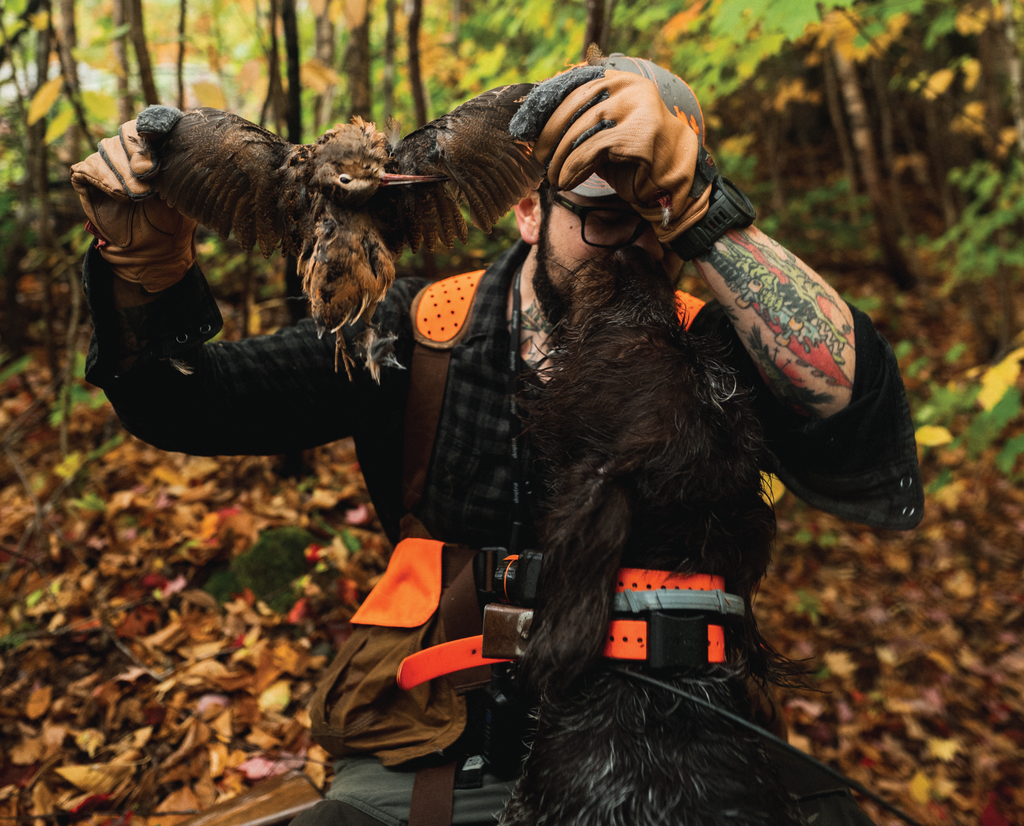
The Future of Woodcock Hunting
American woodcock have shown an annual decline of roughly two percent annually in the Eastern Management Region, but recent science has also demonstrated their resilience. In fact, I would argue that just a handful of generations from now, woodcock may be the primary upland game bird we can still reliably hunt across much of the ruffed grouse’s current range in the Lower 48 as climate change increasingly affects ruffed grouse—a bird whose most stable population centers are closely associated with reliable snowfall.
According to the National Audubon Society, under a +3.0°C warming scenario, the ruffed grouse’s range “is projected to shift mostly out of the conterminous 48 states, for which threats data are available.” Woodcock, on the other hand, are unlikely to experience the same degree of negative impact from changing winter conditions.
Furthermore, the aggressive modern research being conducted by the Eastern Woodcock Migration Research Cooperative is informing state and federal management plans and giving managers an unprecedented understanding of woodcock migration, habitat use, and survival. That work will continue to improve our ability to sustain huntable woodcock populations well into the future.
American woodcock are a quirky and unique game bird that offers amazing opportunities for both aspiring and experienced wingshooters. And while many may disagree, I also believe they offer exceptional table fare, with an incredibly rich history in European culinary culture. Every woodcock hunt can be a tapestry of experiences that only deepens a respect for the bird from wing to table.