

How to Get a Small Game Hunting License

Learn how to buy a small game hunting license, what it covers, and what additional permits you may need before heading afield
If you’ve never bought a small game hunting license from your state’s wildlife agency before, don’t worry—it’s a very straightforward process, especially if you’ve already taken a hunter education class. While every state has different hunting regulations, the overall process is nearly identical across America. In most states, you can purchase a small game hunting license online through your state wildlife agency or from an authorized license vendor. That said, there are a few extra steps involved for folks who have never taken hunter’s safety or if you need to learn about HIP numbers, species-specific stamps, duck stamps, furbearer permits, or conservation stamps.
Who Can Get a Small Game Hunting License?
In general, anyone who meets their state’s licensing requirements can purchase a small game hunting license. For many hunters, that includes successfully completing a hunter education course. These days, in most states, hunter ed is available online, in person, and as hybrid classes that are mostly online with an in-person component.
That said, you can be too young to hunt—most states have a minimum age requirement for youth hunters. Also, some states make exemptions for active duty or retired military members. A handful of states offer free and reduced-cost small game licenses for the elderly. In other cases, those with felonies who cannot have firearms are still eligible to hunt small game with archery equipment and/or air guns where permitted.
Most states offer some sort of apprentice licenses, too. In this case, a small game license holder does not need to have taken hunter safety if they are hunting with their mentor. They do require the apprentice hunter to be under direct supervision (within the distance required by state law) of a fully licensed mentor at all times. Often, these apprentice licenses can only be purchased a handful of times before the state requires you to take a hunter ed class.
How to Buy a Small Game Hunting License
Once you’ve completed hunter safety and decided that you want to hunt small game, it’s time to buy a small game hunting license. Thankfully, doing so is straightforward and easy. You can buy small game hunting licenses via your state wildlife agency’s website, major sporting goods stores, and other authorized vendors.
If you’re shopping in person, oftentimes, first-time license buyers need to show proof of passing hunter education to in-person license vendors, whether that’s at a state wildlife agency office or a Cabela’s. Tell the person helping you that you’d like to buy a small game license, and ask if any additional permits or stamps are required. They will ring you up and print your license(s) for you.
Read: The Obstacles Experienced by New Hunters
If you plan to purchase a license online, your hunter education certificate will come with a number on it which can be used in online license purchases. Plug that in when you create your account to verify that you’ve met the requirements to purchase a license. Navigate through your state’s website (they can be a little clunky) to find all of the licenses and permits you need to hunt your game of choice, and check out when you’re done. Typically, you can either print your license, get it mailed to you, or pick it up at your state agency’s office.
Once you are in the state’s licensing system, buying your hunting licenses year-to-year is as quick as a simple login, add to cart, and confirm payment.
One thing worth noting is that many state game agencies have their own apps these days. I am most familiar with Colorado’s “My CPW.” While Colorado requires a physical license for big game hunting, my small game license (and fishing license) and permits are available on my phone whether I have cell service or not. This has come in very handy and has kept my wallet from exploding with all the licenses and permits.
Check to see if your state now accepts digital licenses through their official apps—some states still require hunters to carry a printed license or carcass tags. Always verify your state’s requirements before heading afield.
What Can You Hunt With a Small Game Hunting License?
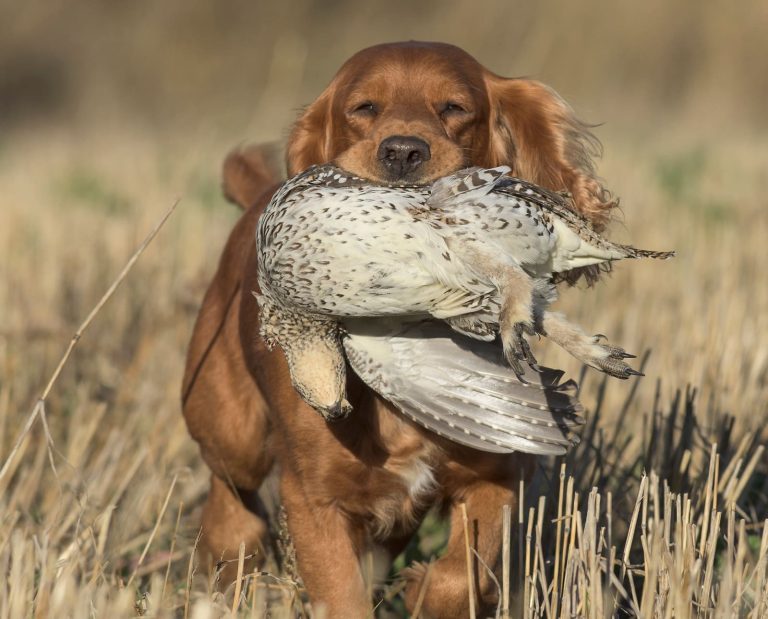
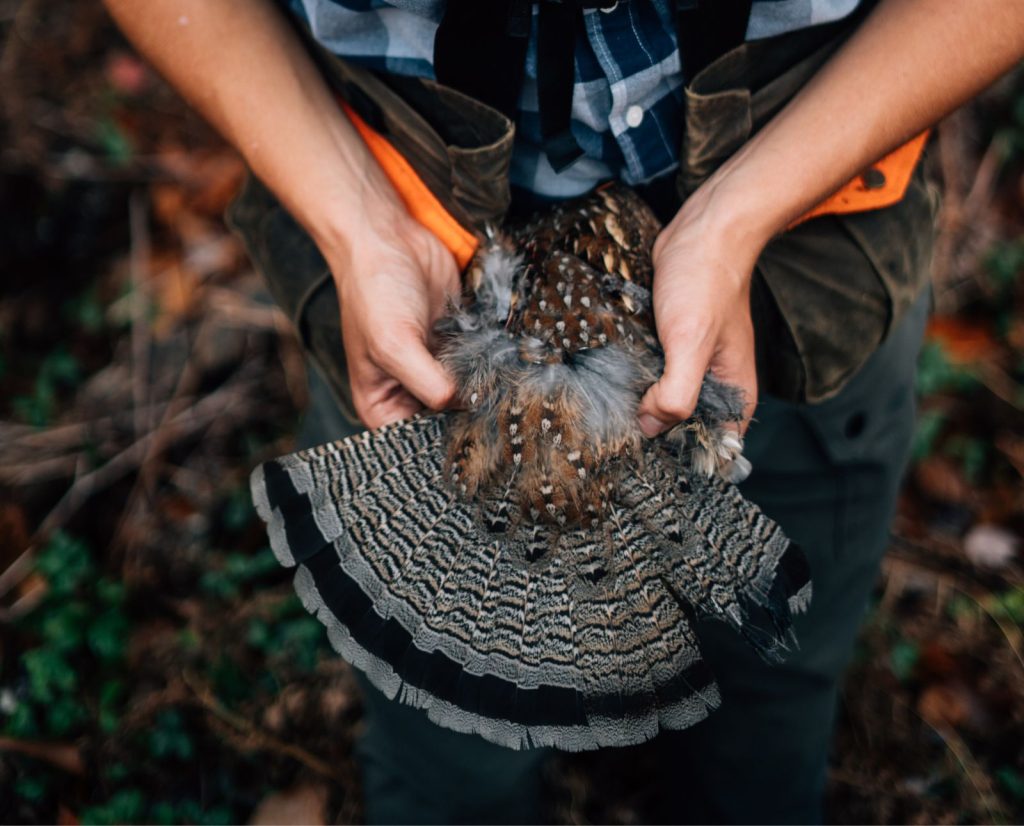
Each state wildlife agency classifies their small game animals a little differently. However, common small game animals include upland birds, migratory birds, waterfowl, rabbits and hare, squirrels, and in some states, furbearers. Depending on your state, more unique wildlife like marmots, jackrabbits, prairie dogs, crows, snapping turtles, or even rattlesnakes might have their own hunting seasons. I always recommend reading your state’s small game regulations to learn more about what, how, and when you can hunt.
Read: How Small Game Hunting Makes You a Better Big Game Hunter
Unlike many big game or turkey hunts, small game hunting is generally regulated through a season-long license rather than individual harvest tags. Take is measured by daily limits and possession limits. There are a few rare exceptions to this rule, though. Some states have very limited populations of a huntable species. As a result, you can only hunt them if the state has an open hunting season and you are successful in a random draw. Sharp-tailed grouse hunting in Wisconsin is an example, as was nonresident emperor goose hunting in Alaska.
Do You Need Additional Stamps or Permits?
Sometimes, a small game hunting license does not cover every single small game species. Additionally, some states include all their small game species under one license, but you also need a stamp to hunt legally. To complicate things even further, some species (mostly migratory birds) are managed by the federal government and your state’s wildlife agency, and you need a Harvest Information Program (HIP) number in order to hunt.
Be sure to read your state’s small game hunting regulations to learn whether you only need a small game license or if you also need a habitat stamp, duck stamp, sage grouse stamp, ptarmigan permit, furbearer license, or other qualifications. Your state wildlife agency is also an incredible resource; if you have questions, give them a call or shoot them an email.
What Does a Small Game Hunting License Cost?
The cost of a small game license varies by state. Within each state, the cost can vary still, depending on whether you are a resident or a nonresident, a youth hunter, a senior citizen, an active duty member of the military, a veteran, or if you purchase a “combination license,” which usually includes an annual small game license and a fishing license for a deal. States are also known for increasing license and permit fees over time; the amount you spend on small game hunting licenses and permits this year may be higher down the line.
Additionally, many states offer a one-day, two-day, or three-day small game hunting license that is more affordable than the annual license. If you’re visiting Colorado in 2026 and only planning on hunting dusky grouse for two days, it makes more sense to buy one one-day license for $20.46 and an additional-day license for $7.99 than shell out the $101.54 for an annual nonresident license.
As far as I know, the cost of a resident small game hunting license is always cheaper than or equal to the cost of a nonresident’s. Typically, there are resident and nonresident youth licenses, and they tend to be extremely affordable. Continuing to use Colorado as an example, in 2026, my state’s resident small game license costs $36.68, and a nonresident one costs $101.54. Colorado’s resident and nonresident youth small game licenses are both $1.50.
Costs begin to add up when you start tacking on permits and stamps. Say I want to hunt ptarmigan, green-winged teal, and raccoons in Colorado. In order to do so legally, I need to buy a resident small game license ($36.68), a habitat stamp ($12.47), a white-tailed ptarmigan, greater sage-grouse, and mountain sharp-tailed grouse permit ($5), a Colorado waterfowl stamp ($12.47), a federal migratory bird hunting stamp ($33), and a furbearer harvest permit ($10), totaling $107.12.
Before You Go Hunting
It’s up to you to know your state’s hunting regulations. Read those regs from front to back, and be sure you understand the parameters within which you can legally hunt small game. Things like season dates, blaze orange requirements, laws regarding the use of hunting dogs, when legal hunting light begins and ends, firearm restrictions, land use restrictions, and more all come into play when you decide to hunt small game.
While volunteering with the Wisconsin Department of Natural Resources (DNR) my senior year of college, one of the wildlife technicians shared a story with me. They’d been working at a state wildlife area, and on their way back to the truck, they encountered a hunter. As DNR employees are apt to do, they asked the hunter how his afternoon was going and what he was looking for.
“Oh, anything,” he said, “Squirrels, birds, I just wanted to give this hunting thing a try.”
After some further questioning, the DNR tech learned that this man didn’t have a small game hunting license, didn’t know he needed one, had no firearm experience despite wielding a shotgun, and had no concept of species-specific hunting seasons. He genuinely didn’t know that hunting was a government-regulated activity and was, quite literally, just out there to shoot stuff.
Don’t be like that guy. Take a hunter safety class, learn how to handle firearms safely, and purchase small game hunting licenses so you can legally pursue your quarry of choice in your state.