

How to Hunt Scaled Quail: A DIY Guide
Learn where to find scaled quail on public land, how to identify productive habitat, and proven strategies for hunting these elusive gamebirds
Frank Loncarich
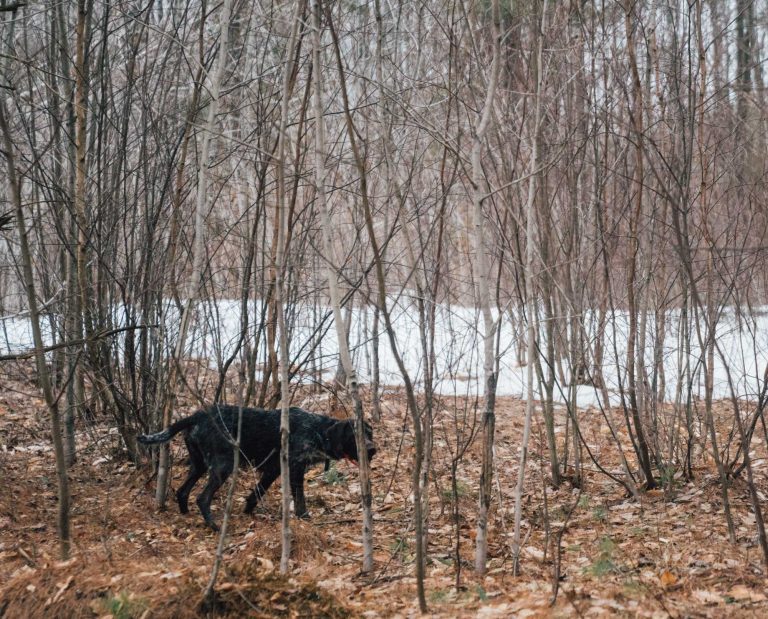
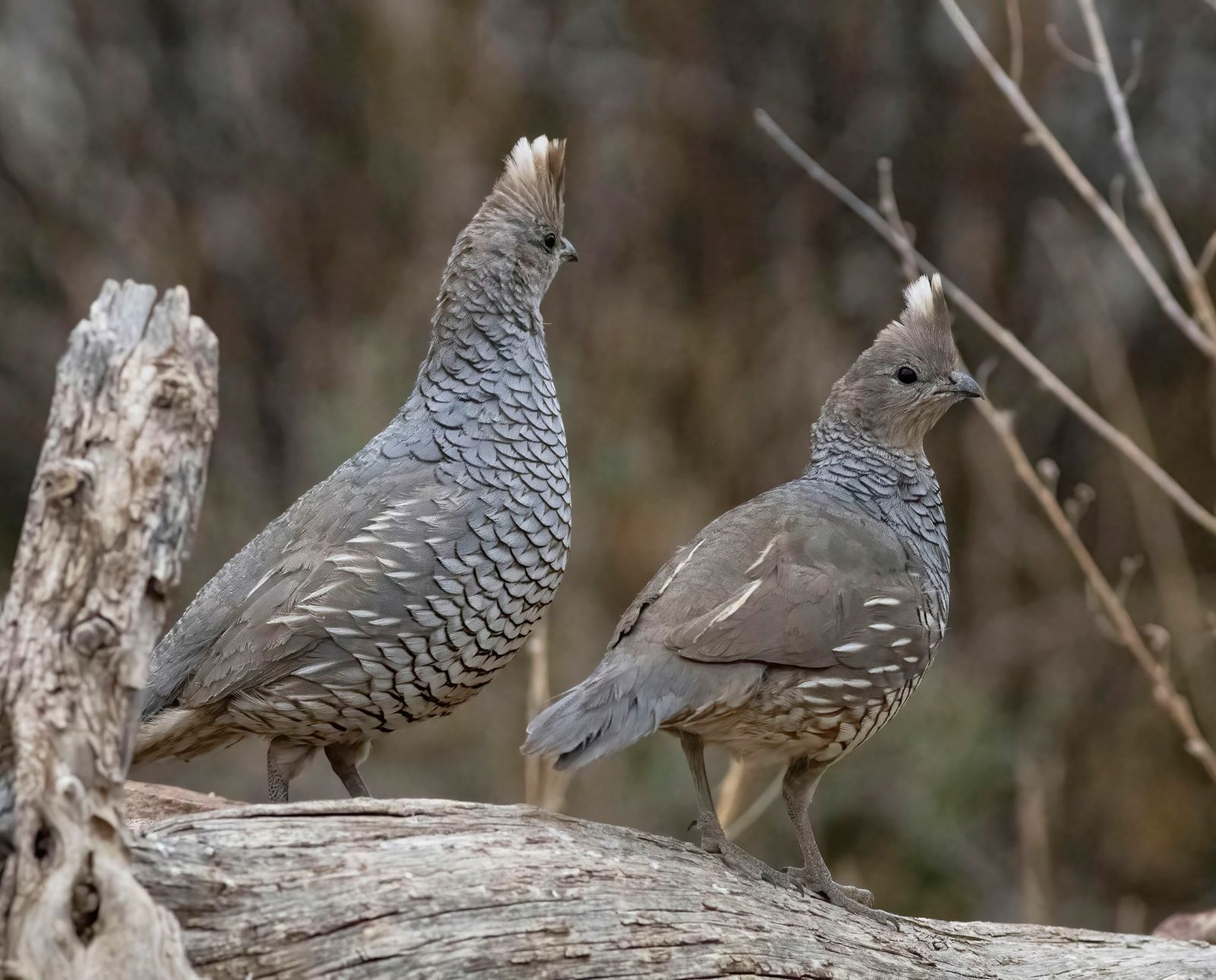
“Birds!” I yelled to my hunting partners as I watched a dozen scaled quail scurry through the mesquite. With the sun shining off the white tufts on their heads, they were easy to follow as they made tracks ahead of me and my dog, Sage. I called my buddies over, and we were able to put a few birds in the air and a couple in the bag, but most of the covey easily escaped unscathed.
Such was a common occurrence on that trip, and it has continued to be my experience while hunting these desert grassland birds. Finding scaled quail might be easy in some cases, but bringing them to the bag is the real challenge.
Where to Hunt Scaled Quail on Public Land
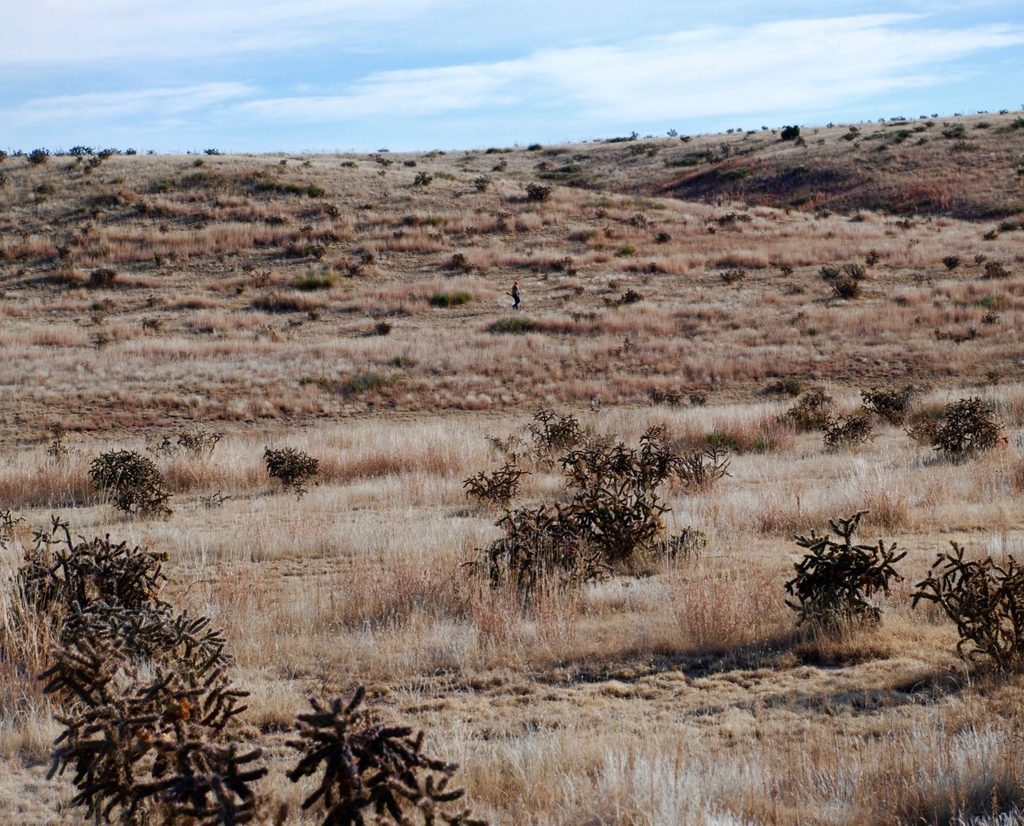
Scaled quail inhabit grasslands across the southwestern United States, from southwestern Kansas and southeastern Colorado south through New Mexico, western Texas, and southeastern Arizona. While they inhabit dry landscapes often characterized as deserts, scaled quail are primarily a grassland species, requiring large expanses of grassy habitat with scattered shrubs. They use this cover throughout their lives for nesting, raising broods, feeding, and roosting. Fortunately, much of this habitat is found on public land, making scaled quail an accessible species for DIY upland hunters.
Large areas of eastern New Mexico and southeastern Arizona boast quality scaled quail habitat on publicly accessible lands. Southwestern Kansas and southeastern Colorado also offer public hunting opportunities in blue quail habitat, but bird densities are generally lower than in areas farther south. Texas has plenty of scaled quail, but relatively little public hunting land within their range, making it a less attractive destination for hunters looking to chase blues on their own.
Read: Hunting the Arizona Quail Slam: Mearns, Scaled, and Gambel’s Quail
For my money, I would target scaled quail in New Mexico or Arizona, giving the edge to New Mexico in terms of bird densities and the sheer amount of good blue quail habitat. Arizona can hold good densities of blues, but the grassland habitat they prefer is more limited than in neighboring New Mexico.
How to Find Scaled Quail Habitat
While public land is abundant throughout much of the scaled quail’s range, that does not mean all of it provides good habitat. Much of what you will be doing when hunting these vast landscapes is narrowing down the available cover to areas where birds are most likely to be found.
Grasslands, Forbs, and Grazing Pressure
The first thing to look for is a good mix of grassland with an abundance of forbs (weeds) and scattered shrubs. Scaled quail feed on seeds produced by grasses and forbs and utilize brushy cover for escape habitat and roosting sites.
Areas with lots of grass but few forbs will still hold birds, as will areas with lots of shrubs but very little grass. However, bird densities will generally be lower in these areas, and the birds found there may be harder to hunt.
Public grasslands in scaled quail country are also commonly grazed by livestock, so it’s important to evaluate grazing pressure in the areas you plan to hunt. Light to moderate grazing that leaves grass approximately 12 to 16 inches tall can provide good habitat and allow for easier hunting. Overgrazed grasslands may still hold birds, but scaled quail will run even more than they normally would through the short grass, making them harder to approach.
Brushy Draws and Other Microhabitats
Microhabitat features within larger landscapes are also important factors. For example, shallow draws with heavier concentrations of brush are good places to look for scaled quail.
I remember a couple of sites in Arizona where brush density was slightly higher in defined draws than in the surrounding grassland habitat. These sites were where we consistently found birds. The draws offered some of the only escape cover within several acres, making them logical places to locate birds.
Shallow, brush-filled draws are easy to spot on aerial photographs, and studying images of your planned hunting area before your trip is a great way to narrow down where to look before you even arrive.
Similarly, look for grassland areas with a higher density of brushy habitat than the surrounding landscape. We used this to our advantage on a recent hunt in New Mexico. As we hunted, we noticed more birds in areas where brush density was slightly higher than in the rest of the area. That helped us concentrate our hunting efforts on places where we were most likely to find birds.
Finding Scaled Quail Near Water Sources
Another valuable microhabitat feature to look for is water. Although scaled quail do not require standing water in all conditions, they often concentrate near available water sources, making these worthwhile locations to investigate during a hunt.
These water sources might be cattle watering ponds or even metal watering tanks that ranchers fill regularly. In dry desert grasslands, an available water source can be an excellent place to begin looking for quail.
Just like shallow draws, water sources are often easy to identify on aerial photographs, making pre-hunt scouting especially valuable. Satellite imagery can be deceiving, though, as water holes in blue quail country do not consistently hold water throughout the year or from one year to the next.
For example, many of the ponds we identified in New Mexico as having water in satellite images were actually dry when we arrived to hunt. My advice is to identify plenty of potential water sources before your trip to ensure you have options if some of them are dry.
Scaled Quail Hunting Strategies and Tips
How to Hunt Around Water Sources
Hunting water sources is pretty straightforward. The best plan is to start at the water source and hunt your dogs into the wind for a quarter mile or so away from the pond. Then make a circle around the pond, covering all sides until you find birds or determine there are none nearby.
Some ponds are built at the bottom of shallow draws. Upstream from these ponds, the draws often have tall, brushy vegetation growing in them. If so, these are the first places to begin a hunt. Work these draws for several hundred yards before turning back to hunt the surrounding acres.
Read: Choosing Shotguns, Shot Size, and Chokes for Scaled Quail Hunting
Hunting Running Coveys and Scattered Birds
The lack of water in an area does not necessarily mean there are no birds. In years with high scaled quail densities, birds can be found scattered throughout the landscape. Concentrating on microhabitats like water sources and brushy draws is still a great plan, but in good years, almost any decent habitat can hold birds.
Hunting vast areas of habitat that look the same throughout might seem daunting, but it is definitely worthwhile. The best option is to strike out through the cover with the wind in your face and let your dogs do the work.
In these situations, keep a sharp eye out for scaled quail running ahead of the dogs, as is their custom. Hunt in the direction the birds ran and do your best to get them to flush, even if they are out of range. Watch closely where the birds land and hunt slowly, letting your dogs thoroughly work the area.
Scalies often hold much better after they have been separated from the covey, and great dog work can be had when birds are scattered. Also, don’t blow past an area where a covey has flushed wild. Allow your dogs to work carefully, as individual birds will often drop out of a running covey, holding tight and allowing for some great dog work.
How Weather Affects Scaled Quail Populations
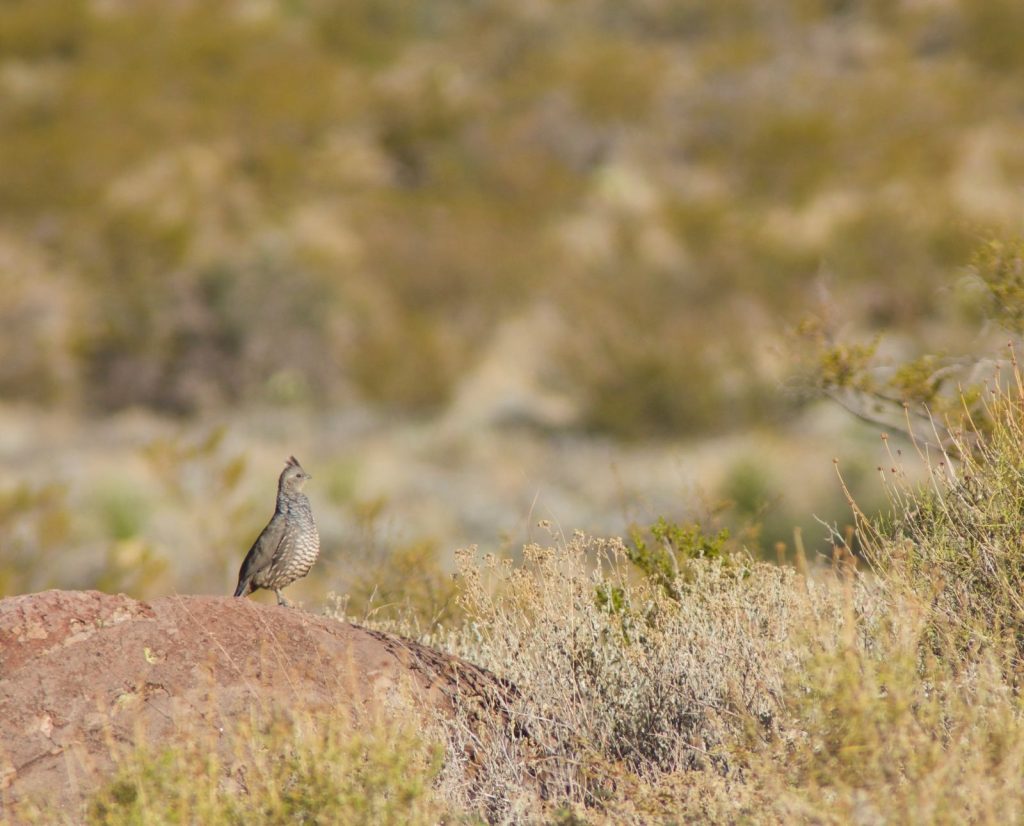
Like most upland species, scaled quail populations are heavily influenced by weather conditions. Precipitation is one of the primary factors driving annual fluctuations in scaled quail numbers, with both the amount and timing of rainfall playing important roles. Rain promotes the growth of herbaceous vegetation, providing nesting cover that can improve nest success. It also stimulates the production of forbs and insects, which chicks rely heavily on for food.
In years with favorable rainfall, scaled quail can be found throughout the landscape. However, during prolonged droughts, populations can crash, and hunting success may be poor. It can also take multiple years of favorable conditions for populations to rebound after successive years of poor reproduction.
Before heading out on a scaled quail hunt, or any western quail hunt for that matter, keep track of precipitation and habitat conditions in the area you plan to hunt. Reach out to locals or call regional wildlife biologists (a solid idea before any hunt) and ask about current conditions and bird numbers. In many cases, it’s better to postpone a hunt than to travel hundreds of miles when quail populations are struggling.
Planning a DIY Scaled Quail Hunt
Every upland hunter should make time for a DIY scaled quail hunt. Public land is abundant throughout much of their range, and in good years, birds are not hard to find. Do plenty of pre-hunt scouting before you go. Scour maps and satellite imagery for water sources and other microhabitats, and be sure to monitor weather and habitat conditions.
Also, make sure you have comfortable boots with good soles. You’ll be doing a lot of walking over terrain that can sometimes be very rocky.
One more thing: Always keep one eye on the dogs and the other looking far ahead. You never know when you’ll see a single-file line of birds running for all they’re worth, the sun gleaming off their pointy cotton tops!