

Why Shelterbelts Are Important Habitat for Pheasants, Quail, and Other Upland Birds
Learn how shelterbelts provide critical habitat for upland birds and create some of the most productive hunting locations on the landscape
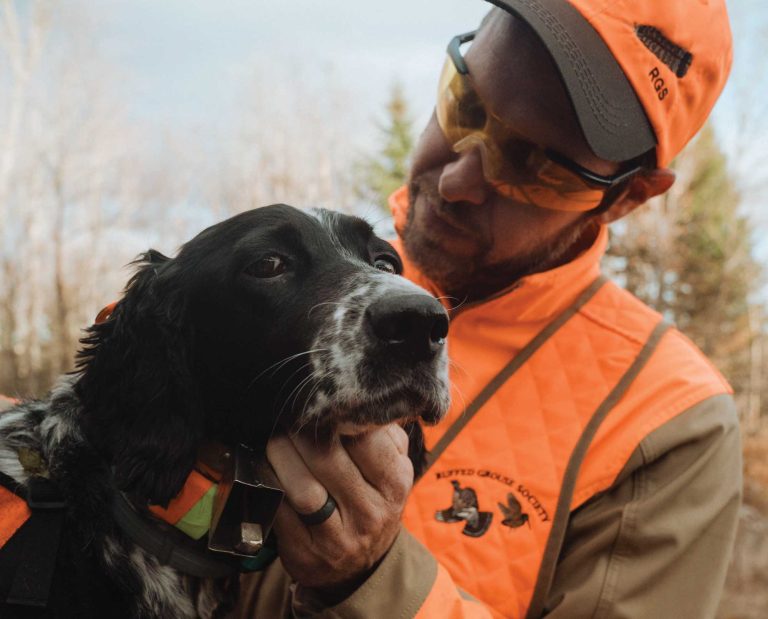
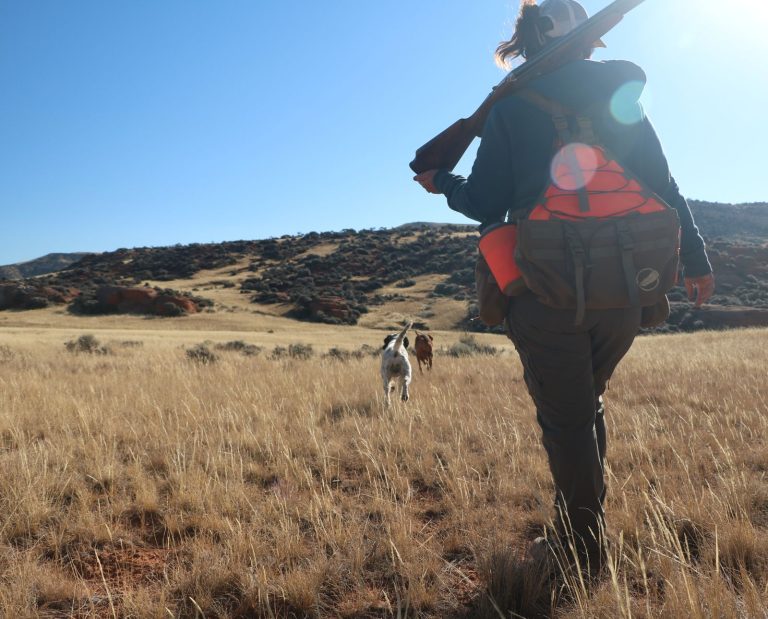
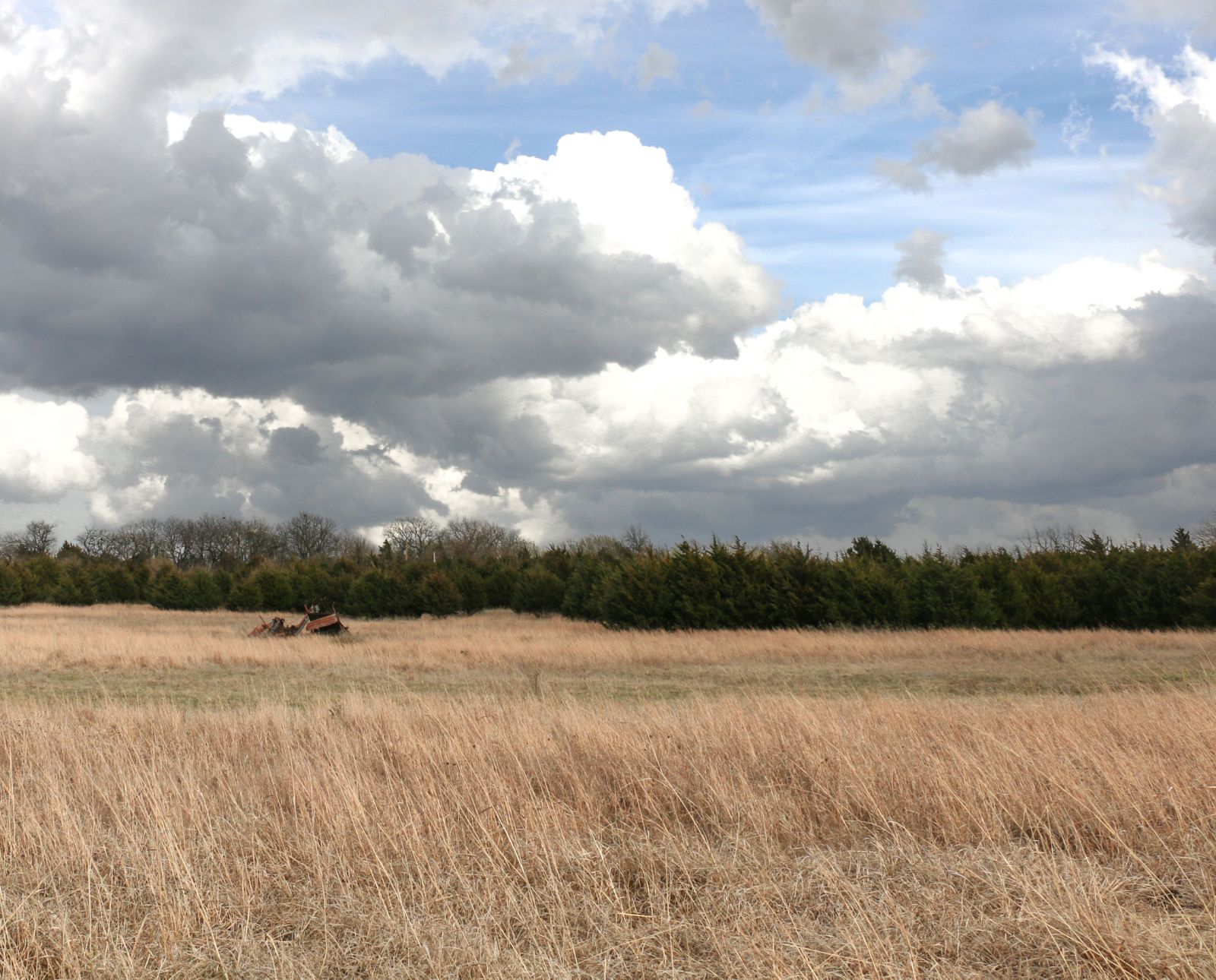
The blustery wind caused me to pull my stocking cap down further over my ears as I approached a shelterbelt standing like a living wall along the edge of a harvested milo field. I motioned to my Brittany, Whiskey, to work into the cover while I walked the edge. The pheasant tracks in the snow gave me hope that I would have some action.
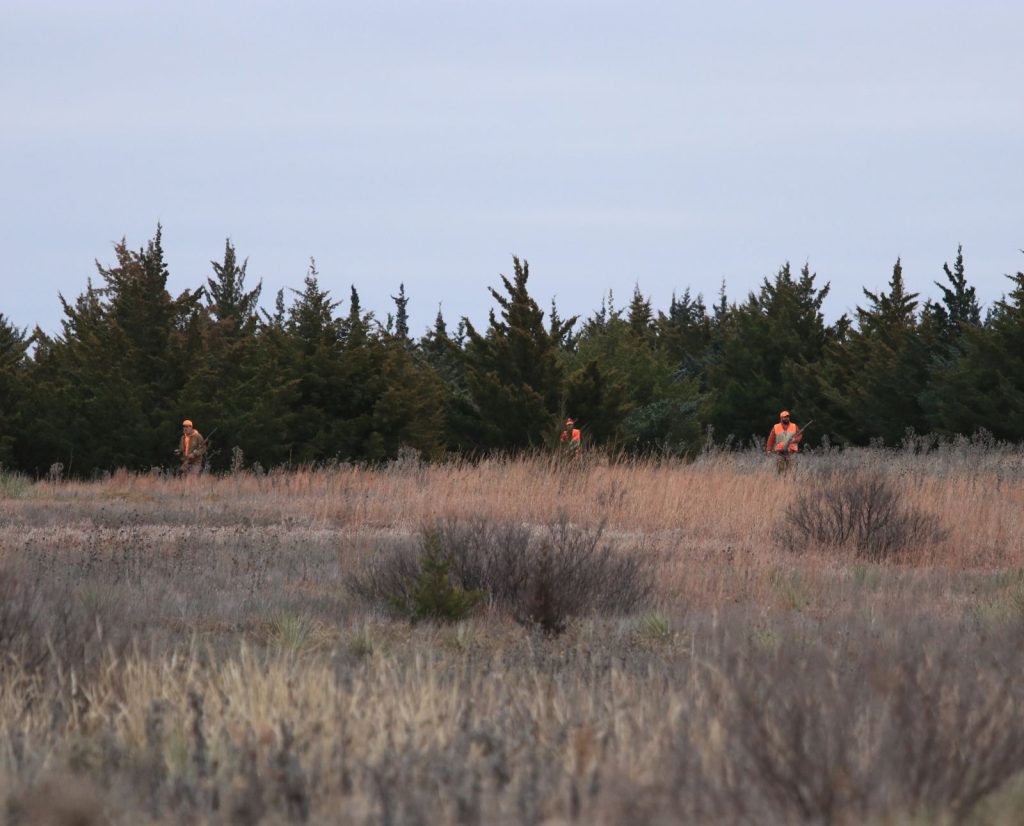
Halfway down the shelterbelt, Whiskey’s body language suggested he was trailing a running bird. I sped up my pace to stay within gun range as Whiskey continued along the scent trail. A rooster flushed long, using the wind to his advantage, sailing across the milo stubble to a nearby CRP field. Whiskey continued to act birdy, so I remained hopeful of getting a shot at a late-season public land rooster. He slammed on the breaks near the end of the shelterbelt, becoming motionless, pointing toward the base of a cedar. The only question was whether it would be a hen or a rooster. As I approached his point, an eruption of wing beats flustered me. I was mentally prepared for a pheasant flush, but a covey of a dozen bobwhite quail caught me by surprise. After I regained my composure, I managed to scratch out one bob. The other eleven birds clearly knew the lay of the land as they sought refuge on the adjacent private land across the gravel road.
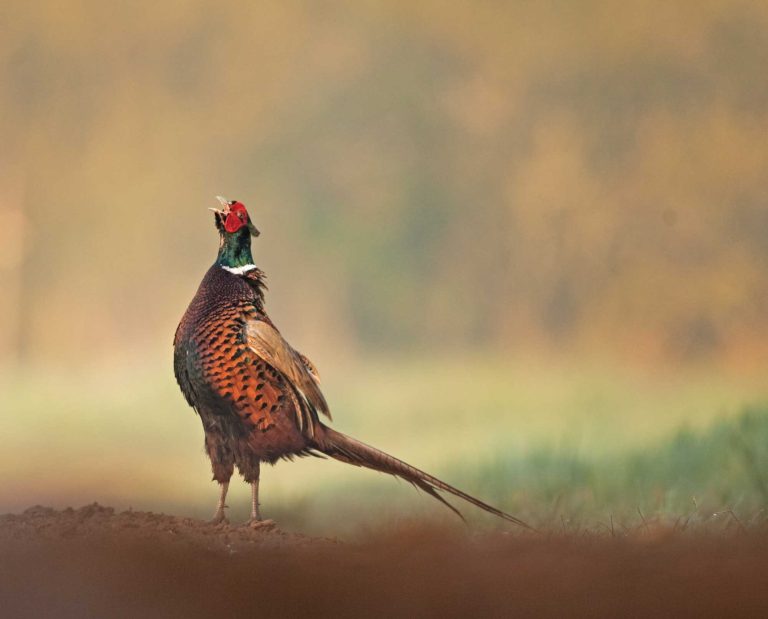
I’ve had several similar hunts along shelterbelts, some of which featured a blustery north wind and others, scorching heat, because shelterbelts are a useful habitat feature for many upland game birds. While hunting shelterbelts, I’ve found pheasants, quail, sharp-tailed grouse, and Hungarian partridge.
Whether you’re hunting them, managing them, or considering planting one, understanding what makes a shelterbelt attractive to upland birds can help you make the most of this unique habitat feature.
What Is a Shelterbelt?
A shelterbelt is a linear planting of trees and shrubs designed to reduce wind, control snow drift, and protect soil. Throughout the Great Plains and prairie regions of North America, shelterbelts have also become important habitat for upland birds like pheasants, quail, prairie grouse, and Huns.
For upland birds, shelterbelts provide shade during hot weather, protection from winter winds, escape cover from predators, and loafing habitat near feeding areas. When located adjacent to cropland, grasslands, or other cover types, shelterbelts can become some of the most productive hunting locations on the landscape. For hunters, shelterbelts can be especially productive during late season pheasant hunts because birds often move between feeding areas, roosting cover, and the protection offered by trees and shrubs throughout the day.
Not all shelterbelts are created equal, however. Location, species composition, and adjacent habitat all influence how birds use them throughout the year.
Where Upland Birds Use Shelterbelts
If pheasants, bobwhite quail, or Huns are your primary target, shelterbelts within close proximity to row crops are preferred. All three bird species have a strong affinity for waste grain. That’s not to say there aren’t birds to be found miles away from any crop fields, but where crops are available, these birds will move long distances to spend the fall and winter near the high-energy food sources like milo, corn, sunflowers, or wheat stubble.
If late season pursuits are part of your annual hunting strategy, then shelterbelts near heavy cover are important. A cattail slough or dense CRP field can provide roosting locations, but the nearby shelterbelt will often attract birds to sun themselves during midday hours. Hunting the shelterbelt at the right time of the day is often the difference between a quiet stroll or an action-packed hunt.
When Do Pheasants and Other Upland Birds Use Shelterbelts?
Shelterbelts attract upland birds throughout the year, but their importance often increases during extreme weather. Pheasants frequently use shelterbelts during winter storms and periods of severe cold because the trees reduce wind speed and create thermal protection. Bobwhite quail often seek shelterbelts after snow events and during periods of prolonged cold weather.
During early season hunts, sharp-tailed grouse may use shelterbelts for shade when temperatures climb into the 80s and 90s. Sharpies will also use shelterbelts in wide open grasslands during the early season because they are still primarily dining on invertebrates. I’ve also seen late season sharpies using shelterbelts in harsh winter conditions seeking reprieve from the snow.
Read: Season-long Strategies for Sharp-tailed Grouse Hunting
For hunters, these weather-related movements can make shelterbelts some of the most predictable locations to find birds during difficult conditions.
How to Establish a Shelterbelt for Wildlife
If you are fortunate enough to be managing a property for upland birds and would like to add a shelterbelt or two, it’s important to consider the tree and shrub species to use and the planting strategy. As stated above, location also plays an important role depending on the species you want to attract and the primary times within the season you intend to hunt.
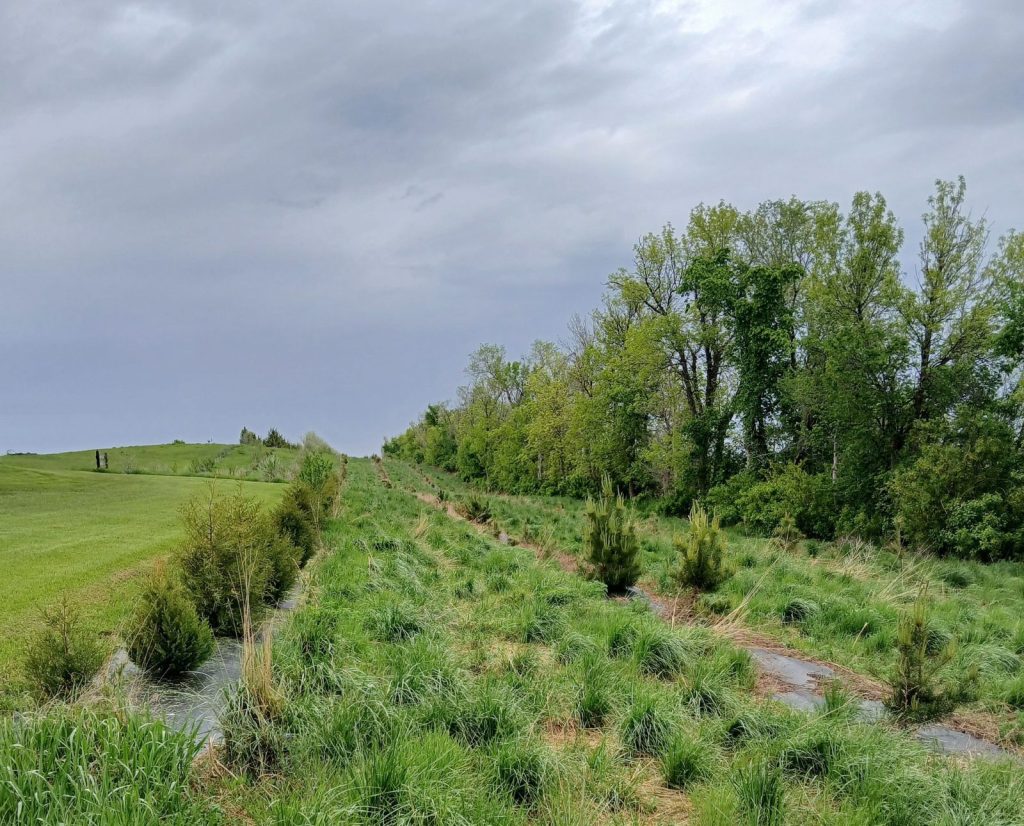
When it comes to planting shelterbelts, I suggest planting a diverse mix of coniferous trees, hardwood trees, and a couple of shrub species. The coniferous trees maximize shade and block the wind, which can also control snow drift. Research shows conifers can reduce the wind velocity by more than 75 percent. Hardwood trees provide maximum height and are typically planted in the middle, with conifers on either side. Shrubs should be planted on the outer rows on each side to create a pyramid-like shape to the shelterbelt. This shape is important for wind deflection and the outer rows of shrubs provide limbs that grow low to the ground, offering birds protection from predators. Additionally, many hardwood tree and shrub species produce hard mast or soft mast that game birds utilize as food sources.
Read: Important Plants for Sharp-tailed Grouse
The selection of tree and shrub species varies greatly across the country. Species adapted to southwest Kansas will likely not work in central North Dakota. It’s important to consult with a state extension agent or a state wildlife biologist to determine the best plant species for your shelterbelt.
Additionally, site preparation is critical for success. Sod-forming grasses should be eliminated prior to planting to reduce competition for water. Weed barrier fabric has been proven to increase the growth rates of newly planted shelterbelts by more than double as compared to plantings without fabric. Although it’s an added expense, it’s worth the investment because shelterbelts are habitat features that will last decades.
Managing Shelterbelts for Better Upland Bird Habitat
The attractiveness of a shelterbelt can be significantly influenced by how the adjacent cover is managed. Having a food source nearby is critical to maintaining season long use by upland birds. Planting food plots or leaving a few rows of standing crop adjacent to an established shelterbelt is a very effective strategy to keep a variety of upland birds fat and happy all winter.
It’s important to consider the primary wind direction when planning where to leave crops. In areas with significant snowfall, snow drifts can render the standing crop useless during the most critical time the birds are struggling to find food. The downwind side of a shelterbelt can drift several feet deep, burying any grain left for the birds, whereas the upwind side will have much less snow cover. This is also why leaving some standing crop can be important, rather than just crop stubble.
Standing corn or milo can provide feeding opportunities even with a couple feet of snow covering the ground. Birds can still access the milo heads or ears of corn above the snow line. If all the grain has been harvested and only stubble remains, the only grain left behind is scattered on the ground. During a significant snow event, grain under two feet of snow may not be accessible for weeks.
Read: Managing Pheasant, Quail, and Partridge Habitat in Agricultural Landscapes
Making sure there is some herbaceous cover nearby will provide roosting cover which also increases the use when paired with a shelterbelt. Birds can easily move back and forth between roosting and loafing cover without covering long distances. Avoiding the temptation to brush hog or hay an adjacent field can make a huge difference in the attractiveness of the interface where roosting cover and shelterbelts intersect.
Replacing dead trees and shrubs can help maintain the overall effectiveness of the shelterbelt and extend the life of the planting for many years. A chainsaw can be a useful maintenance tool as well. I have recommended landowners cut some trees and shrubs in overly mature shelterbelts to encourage resprouting due to a lack of low growing limbs at ground level. The cut stems add instant debris to the ground and the subsequent resprouts reinvigorate the site over the following years with lots of stems closer to ground level.
Whether you are managing shelterbelts on your own property or simply hunting them each winter, they are a unique habitat feature found in the uplands. They not only attract birds during the hunting season, but they are important for broods looking for shade or an escape from both aerial and mammalian predators all summer. Shelterbelts aren’t just attractive for the birds. They are typically quick, easy-to-walk hunts and they really shine when older hunters are afield. I recall many times over the years my father volunteering to block the end of a shelterbelt as his ability to walk very far waned. Anyone who has hunted many shelterbelts knows the blocker often gets the majority of the shots at fleeing birds. Come to think of it, maybe my dad could walk farther than he admitted late in life, but he knew the best action was being posted up as a blocker at the end of an old shelterbelt!