


Most Popular Bird Dog Breeds of 2026
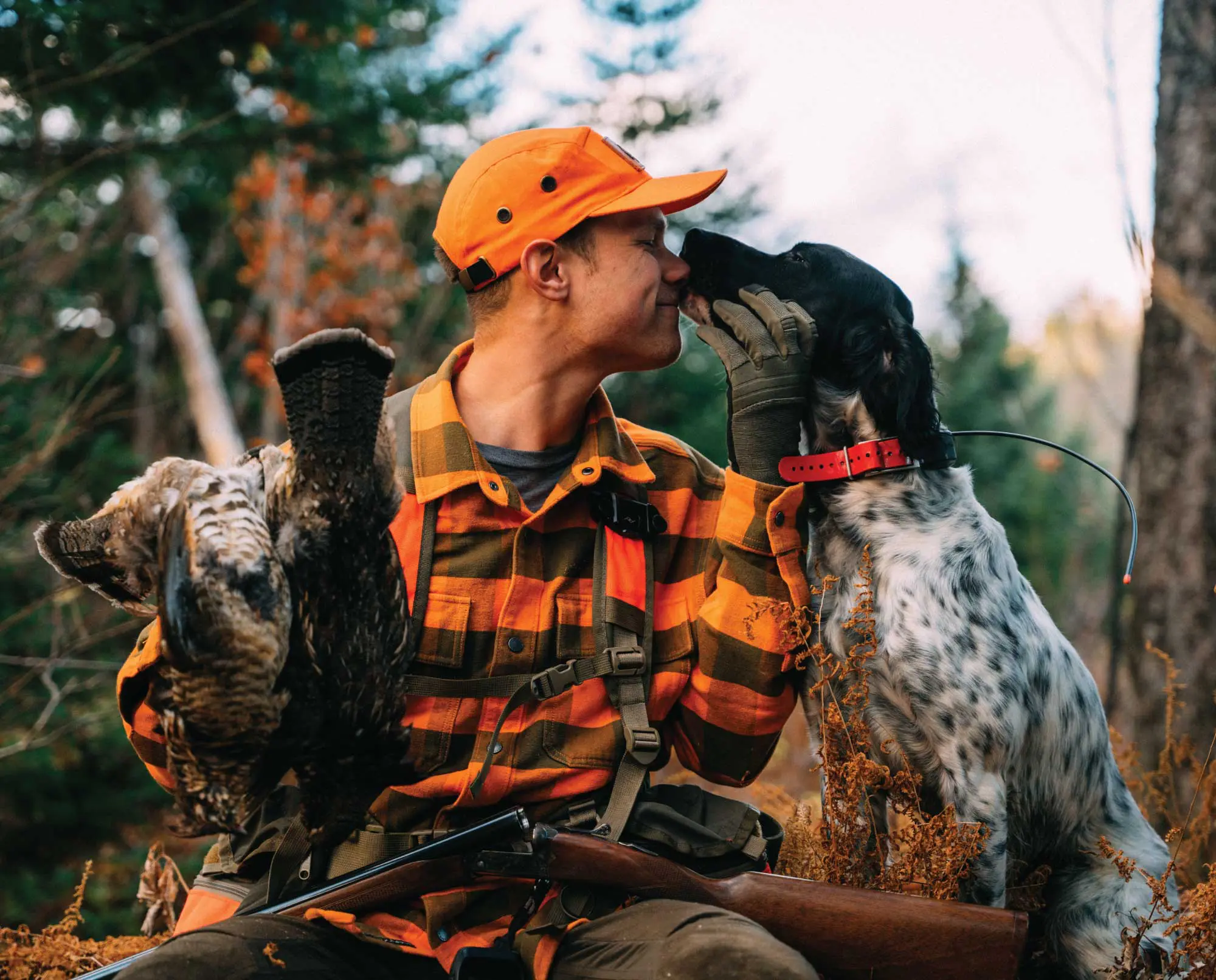
Exploring the most popular hunting dog breeds in the upland hunting community over the years
Bird dogs have always been at the heart of upland hunting culture, so it should come as no surprise that they remain one of the most closely followed parts of Project Upland’s Annual Community Survey.
Each year, the survey responses help paint a clearer picture of the upland community, including the dogs that share our homes, ride in our trucks, and accompany us into the field. The survey asked a wide range of questions about bird dog ownership, breed preferences, hunting styles, and the role dogs play in hunters’ lives. Over time, these responses have created one of the most detailed ongoing records of bird dog trends within the upland hunting community.
While every breed has its devoted following, the results also reveal broader patterns about the dogs upland hunters choose and how those preferences evolve. Based on this year’s survey, these are the five most popular bird dog breeds among the Project Upland community.
The Most Popular Types of Hunting Dogs
Before diving into individual breeds, it helps to understand the broader categories of hunting dogs represented within the Project Upland community first. When asked, “What type of hunting dogs do you own? Select all that apply,” respondents reported:
- Pointing dogs: 58%
- Versatile dogs: 30%
- Retrievers: 16%
- Flushing dogs: 10%
- Other: 2%
- Hounds: 1%
- Terriers: 0.3%
These results help explain many of the breed rankings that follow. While upland hunters continue to own a wide variety of dogs, pointing and versatile breeds remain the dominant choice within the Project Upland community.
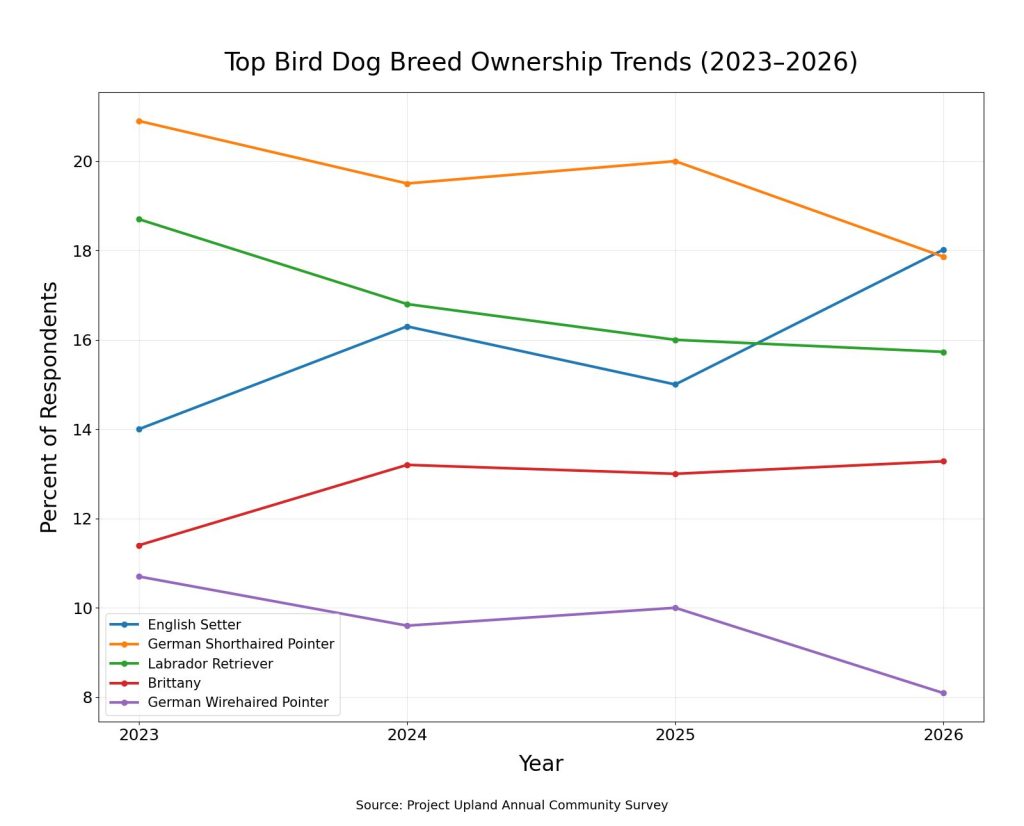
Top 5 Bird Dog Breeds of 2026
1. English Setter: 18%
While German Shorthaired Pointers and Labrador Retrievers remain among the most popular bird dogs, English Setter ownership has steadily increased over the last four survey cycles. In 2026, the breed narrowly surpassed the German Shorthaired Pointer to become the most commonly owned bird dog among Project Upland respondents.
English Setters are particularly popular among Baby Boomers and Millennials, with 20 percent of hunters in each generation reporting ownership of the breed. Fifteen percent of Gen Z bird hunters own an English Setter—a notable increase from 2025, when just 3 percent reported owning one. Among Gen X hunters, 12 percent own an English Setter.
Survey responses also suggest that English Setters remain closely associated with experienced upland hunters. Nearly 89 percent of owners have hunted upland birds for more than 20 years, and 42 percent spent more than 30 days afield during the 2025 season.
The breed’s strongest association continues to be with traditional grouse and woodcock hunting. Sixty-six percent of English Setter owners hunted ruffed grouse in 2025, while 58 percent hunted pheasants and 53 percent hunted American woodcock. Few breeds are as closely tied to the classic coverts of the Great Lakes and Northeast as the English Setter.
Outside the upland community, English Setters remain a relatively uncommon breed. The breed ranked 89th on the American Kennel Club’s (AKC) list of most popular dog breeds in 2025, an improvement from 93rd in 2024 and 97th in 2023. Within the Project Upland community, however, the English Setter has become the most commonly owned bird dog breed, highlighting the difference between mainstream dog ownership trends and the preferences of dedicated upland hunters.
Between its origins in England and its evolution throughout North America, the history of the English Setter is rich. Craig Koshyk explores the breed in remarkable detail in Pointing Dogs, Volume Two: The British and Irish Breeds. Project Upland readers can also learn about Edward Laverack, explore the history of Ryman Setters, listen to the 1872 classic The Setter, and explore just how English the English Setter really is.
2. German Shorthaired Pointer (Deutsch Kurzhaar): 17.9%
The German Shorthaired Pointer remains the most mainstream versatile hunting dog breed in North America. While the English Setter narrowly claimed the top spot in this year’s survey, nearly 18 percent of Project Upland respondents own a German Shorthaired Pointer or Deutsch Kurzhaar, making it the second most popular breed in the community.
The breed’s popularity extends well beyond upland hunting. The German Shorthaired Pointer is the only pointing breed to consistently rank among the American Kennel Club’s ten most popular dog breeds, placing ninth in 2025. It has held a position in the AKC’s top ten since 2023, reflecting the breed’s widespread appeal as both a hunting companion and family dog.
Within the versatile hunting dog world, the GSP’s dominance is apparent. More than 29,000 German Shorthaired Pointers are registered with the North American Versatile Hunting Dog Association, making it a very popular breed in the NAVHDA world.
Survey responses suggest that the GSP continues to attract hunters from a wide range of backgrounds and experience levels. It is the most popular bird dog among Gen X hunters, with 19 percent reporting ownership. Eighteen percent of Baby Boomers own a GSP, followed by 17 percent of Millennials. Just 8 percent of Gen Z respondents reported owning the breed in 2026, though that figure represents a sharp decline from the previous year’s survey and may reflect differences in survey participation rather than a meaningful change in ownership trends.
When it comes to bird hunting, 61 percent of GSP owners hunted pheasants in 2025, while 40 percent pursued ruffed grouse, American woodcock, and bobwhite quail. Thirty percent hunted sharp-tailed grouse. The breadth of species represented in the survey reflects the breed’s reputation as an adaptable hunting companion capable of finding success across a variety of landscapes.
German Shorthaired Pointers also appear to appeal to hunters who found their own way into the sporting tradition. Twenty-eight percent of owners reported that neither of their parents hunted, one of the highest rates among the most popular bird dog breeds. At the same time, 88 percent of GSP owners have hunted birds for more than 20 years, demonstrating that the breed remains firmly rooted among experienced upland hunters.
One final point of distinction: 47 percent of GSP owners reported membership in Pheasants Forever. Given the breed’s strong association with pheasant hunting across much of the Midwest and Great Plains, that connection is hardly surprising.
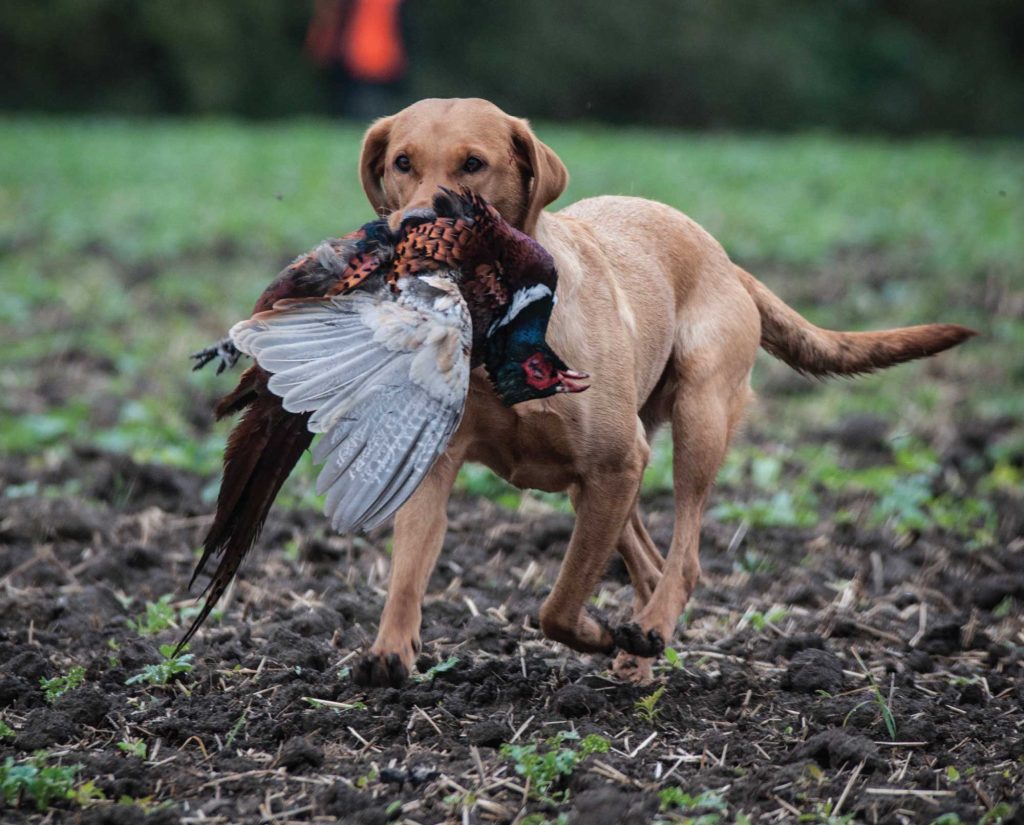
3. Labrador Retriever: 15.7%
The Labrador Retriever remains America’s retriever. While pointing breeds dominate much of the upland conversation, the Labrador continues to hold a unique place in hunting culture as both a bird dog and companion. In the 2026 Project Upland Annual Community Survey, Labrador Retrievers ranked as the third most popular bird dog breed overall and the most popular retriever in the community.
The breed’s popularity is closely tied to two of North America’s most beloved hunting traditions: pheasant hunting and waterfowling. Among Labrador owners, 78 percent reported hunting pheasants during the 2025 season, while 51 percent also pursued ducks and geese. German Wirehaired Pointer owners hunted waterfowl at the same rate as Labrador owners, and only Chesapeake Bay Retriever owners exceeded them at 66 percent (however, only two respondents reported owning Chessies).
Labradors are also the most popular bird dog breed among Gen Z hunters. Twenty-three percent of Gen Z respondents reported owning a Labrador Retriever, compared to 17 percent of Gen X hunters, 16 percent of Baby Boomers, and 12 percent of Millennials. The breed’s enduring popularity among younger hunters suggests that the Labrador’s reputation for versatility, trainability, and companionship remains as strong as ever.
In recent decades, some hunters have gravitated toward British-bred Labradors, often citing differences in temperament, handling style, and field performance compared to traditional American field lines. Among its admirers was outdoorsman Eddie Bauer, who once wrote of his beloved British Labrador Retriever, “The greatest of all the great dogs I have ever known; one I have loved above all others. I hope, when I go to the Happy Hunting Grounds, Blackie will come to my side, as I will try to go to his.”
4. Brittany: 13%
The Brittany continues to be one of the most consistently popular dog breeds in the upland hunting community. While other breeds have experienced notable gains and losses in recent years, Brittany ownership has remained remarkably steady, hovering around 13 percent of Project Upland survey respondents for the past four years. In 2026, the breed once again ranked as the fourth most popular bird dog in the community and remains the most popular French hunting breed in North America.
The Brittany’s appeal is particularly strong among younger hunters. Thirty percent of Gen Z respondents reported owning a Brittany, making it one of the most popular breeds within the youngest generation of upland hunters and representing an eight-percent increase over 2025. Sixteen percent of Baby Boomers own a Brittany, while 11 percent of Gen X hunters and 9 percent of Millennials reported hunting over the breed.
Survey results also suggest that Brittany owners spend a considerable amount of time afield. Forty-four percent hunted more than 30 days during the 2025 season, placing them among the most active hunters in the survey. Sixty-two percent of Brittany owners pursued pheasants, while 48 percent hunted ruffed grouse and 43 percent chased American woodcock.
Outside the upland community, the Brittany continues to enjoy broader popularity than many traditional pointing breeds. The American Kennel Club ranked it as the 31st most popular dog breed in the United States in 2025. Within NAVHDA, 2,476 Brittanys are currently registered.
The Brittany’s history in North America is nearly as fascinating as the breed itself. Its rise began in the 1930s when prominent Wirehaired Pointing Griffon breeder Leon Webster imported Brittanys from France. In 1942, two competing organizations merged to form the American Brittany Club, helping establish the breed’s foundation in the United States. By the 1960s, the Brittany had become France’s most popular hunting dog. Decades later, debates over differences between American and French breeding programs led to an official split when the United Kennel Club recognized the French Brittany, or Epagneul Breton, as a separate breed in 2002.

5. German Wirehaired Pointer (or Deutsch Drahthaar): 8%
The German influence on North American bird hunting does not end with the German Shorthaired Pointer. In 2026, the German Wirehaired Pointer ranked as the fifth most popular bird dog breed among Project Upland survey respondents, continuing its reputation as one of the premier versatile hunting dogs in North America.
Unlike some breeds that skew heavily toward a particular generation, German Wirehaired Pointers enjoy remarkably consistent popularity among younger and middle-aged hunters. Approximately 11 percent of Gen Z hunters own a GWP, compared to 10.6 percent of Gen X hunters and 10 percent of Millennials. Ownership drops among Baby Boomers, where just 6 percent reported hunting over the breed.
Survey responses suggest that German Wirehaired Pointer owners are among the most dedicated hunters in the upland community. Sixty percent reported spending more than 30 days afield during the 2025 season—the highest rate among the five most popular bird dog breeds. Their hunting pursuits reflect the breed’s reputation for versatility and endurance. Eighty-five percent hunted pheasants, while 57 percent pursued ruffed grouse, 47 percent hunted sharp-tailed grouse, 43 percent chased American woodcock, and 40 percent targeted Hungarian partridge.
The breed’s strong association with serious hunting enthusiasts is reflected in its participation within NAVHDA and, for Deutsch Drahthaars, the German testing system. More than 15,000 German Wirehaired Pointers are registered with NAVHDA, making it one of the organization’s most represented breeds. While the American Kennel Club ranked the GWP as the 58th most popular dog breed in the United States in both 2023 and 2024, the breed’s influence within hunting circles far exceeds its visibility among the general public.
The German Wirehaired Pointer’s history in North America is closely tied to the importation of German breeding and testing philosophies. Today, the relationship between the Deutsch Drahthaar and the German Wirehaired Pointer remains a unique story in the bird dog world and continues to attract hunters who value rigorous performance standards and versatile hunting ability above all else.

2026’s Above 1% Club, According to the North American Upland Bird Hunting Survey
Didn’t see your favorite breed in the top five? You might find it in our Above 1% Club. These are the breeds owned by more than one percent of Project Upland survey respondents in 2026:
- Wirehaired Pointing Griffon (6.9%)
- Pointer (6%)
- Pudelpointer (5.3%)
- Small Munsterlander (4.6%)
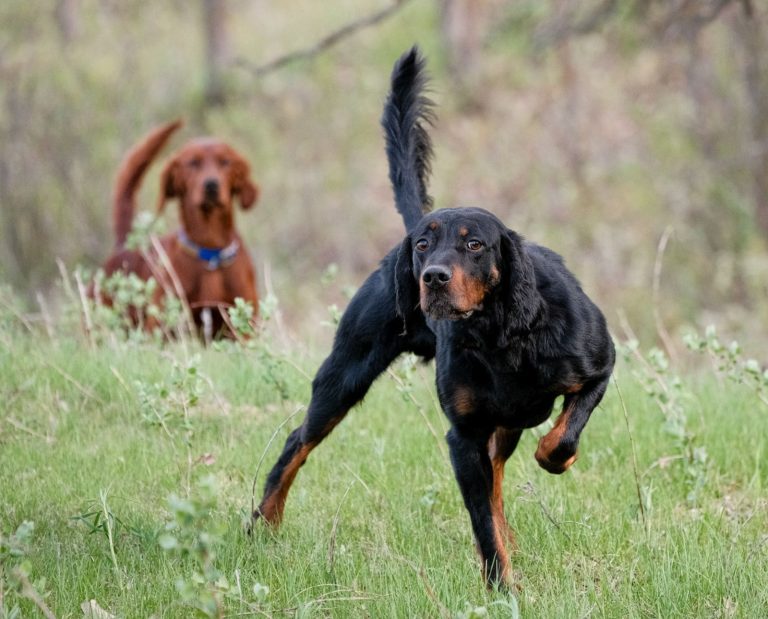
- Gordon Setter (3.8%)
- English Cocker (3.2%)
- Springer Spaniel (2.8%)
- Vizsla (2.6%)
- Boykin Spaniel (2%)
- Golden Retriever (1.4%)
- Braque Francais (1.4%)
- Weimaraner (1.2%)
After the Weimaraner, 13 additional breeds appeared in the survey but were each owned by less than one percent of respondents.
Perhaps the most interesting takeaway from the Above 1% Club is the remarkable diversity of bird dogs represented within the upland community. Traditional pointing breeds, versatile hunting dogs, flushing breeds, and retrievers all earned a place on the list. The rankings demonstrate that there is no single path to enjoying upland hunting. Whether your preference is a hard-charging versatile dog, a grouse specialist, a reliable retriever, or a dedicated flusher, today’s upland hunters in North America have more high-quality breed choices than ever before.
ICYMI: Previous Years’ Most Popular Dog Breeds
In case you missed it, the list of most popular bird dogs according to the North American Upland Bird Hunting Survey in years past:
| Breed | Percentage Owned in 2025 | Percentage Owned in 2024 | Percentage Owned in 2023 |
| German Shorthaired Pointer or Deutsch Kurzhaar | 20% | 19.5% | 20.9% |
| Labrador Retriever | 16% | 16.8% | 18.7% |
| English Setter | 15% | 16.3% | 14% |
| Brittany | 12.6% | 13.2% | 11.4% |
| German Wirehaired Pointer or Deutsch Drahthaar | 9.7% | 9.6% | 10.7% |
| Wirehaired Pointing Griffon | 7.5% | 8.6% | 7.4% |
| Pointer | 5.1% | 7.1% | 4.8% |
| Pudelpointer | 5% | 5.8% | 5.2% |
| Springer Spaniel | 3.6% | 4.3% | 4.5% |
| English Cocker | 2.9% | 3.5% | 3.1% |
| Small Munsterlander | 4.1% | 3.3% | 3.3% |
| Gordon Setter | 2.1% | 2.5% | 1.9% |
| Golden Retriever | 2.5% | 1.8% | 2.9% |
| Boykin Spaniel | 1.4% | 1.7% | 1.6% |
| Vizsla | 2.5% | 1.7% | 2.2% |
| Irish Setter | 1.1% | 1.1% | Less than 1% |
| Weimaraner | Less than 1% | Less than 1% | 1.4% |
As you can see, these breeds are recurring favorites with upland hunters. Whether you love versatile German breeds or water-obsessed Labradors, a wide variety of bird dogs make up our most popular list year after year.
Will these trends continue into 2027? Only time will tell…



I was at the 2026 Southern Side X Side event in Sanford, NC and several people had Cocker Spaniels that they used as bird dogs. I also saw British gundog trainers on Youtube who use the Cockers. I have never seen one of these dogs hunted. I always thought they were lap dogs. One fellow did say that he also had GSPs as a defense to his manhood, LOL. Of course, the Boykin Spaniel is very popular here in the Southeast.