

The Offseason Checklist for Bird Hunters
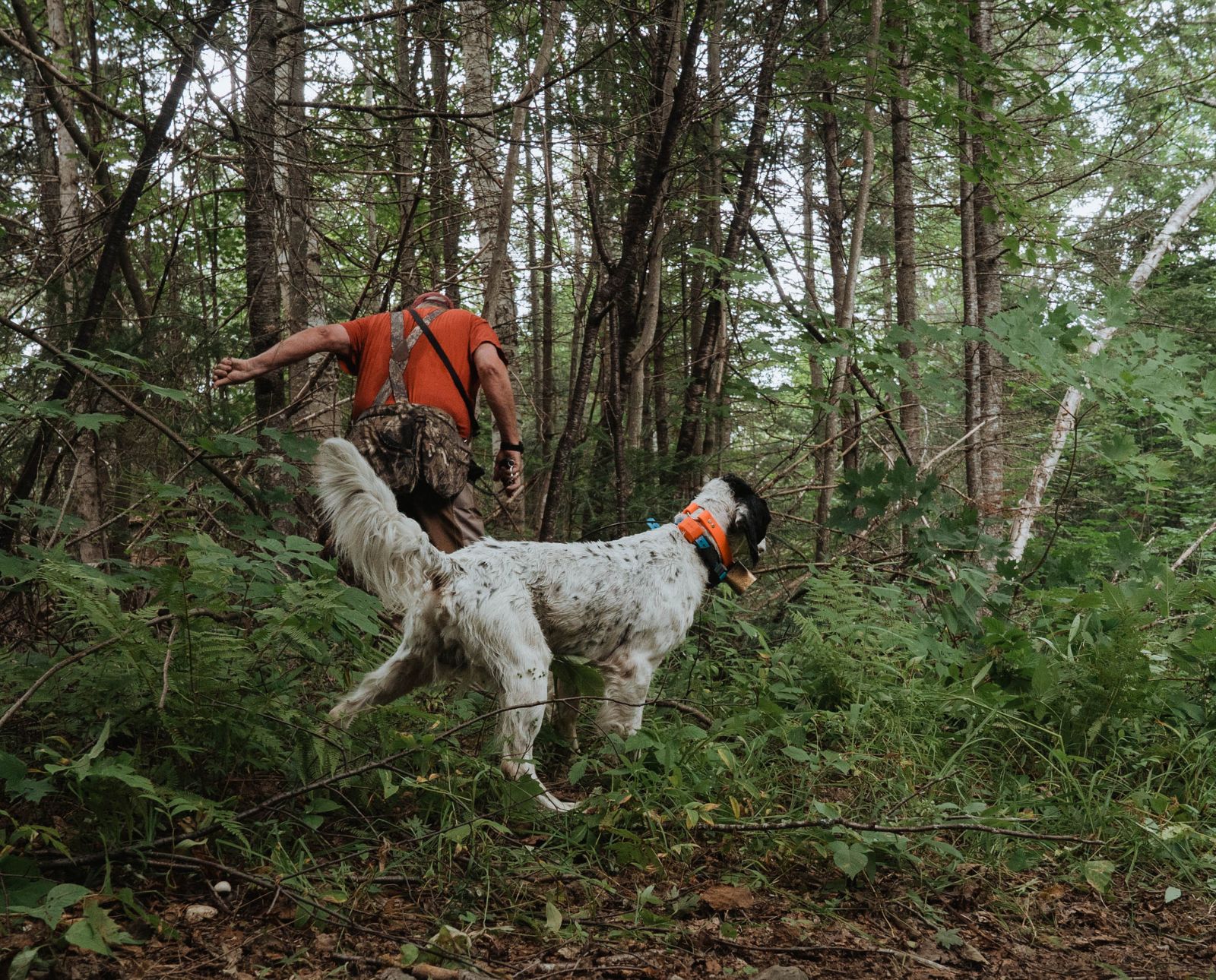
Use the offseason to prepare yourself for a more successful fall
Every upland hunter knows the feeling. One day the season closes and it seems like there’s all the time in the world before opening day returns. Then summer disappears, your boots still need replacing, your shotgun hasn’t been patterned, and you haven’t walked farther than the mailbox in months. I remember feeling that way, especially as a new hunter. The offseason always seemed endless until suddenly opening day was right around the corner.
The best hunting seasons rarely happen by accident. From upgrading gear to securing land access and practicing your shooting, a little preparation during the offseason can make opening day far more enjoyable and productive.
Take Stock Of Your Hunting Gear
Sometimes I find myself guilty of ignoring the checklist of things that I needed to purchase well before opening day. Don’t be like me. Get a headstart by making a list at the end of one season and creating a plan to acquire anything you need for next season long before it starts.
Offseason Gear Checklist
- Replace worn boots early enough to break them in.
- Restock your first-aid kit.
- Test GPS units and mapping apps.
- Check dog collars and batteries.
- Replace or repair worn vests, jackets, and other clothing.
- Pattern any new shotguns, choke combinations, or new ammunition.
- Purchase any new gear you need.
Boots are the one thing that always seems to sneak up on me. They take time to break in, which is something that you’re going to want to do long before those autumn days afield arrive. Check that first aid kit that hasn’t seen the light of day in a couple of years and make sure nothing needs to be replaced. Making sure that a GPS unit is operating the way it should be, and troubleshooting any issues if it’s not, should be done well in advance of actually getting out into the field.
This probably goes without saying, but if you purchase a spiffy new over/under during the offseason, it would be advantageous to know all of the ins and outs of it long before your now-broken-in hunting boots hit the dirt for that first chukar hunt of the year, right? Don’t treat preparing for hunting season like the Christmas shopping you forget to do until December 15th. Go out and get it done far in advance of when you’ll actually need your hunting gear this year.
Ask Private Landowners For Permission
Some landowners don’t mind hunters knocking on their door and asking to hunt their properties the same day they plan to hunt. However, for reasons of social image and punctuality, it’s probably better to do this well in advance of hunting season. In fact, this is a wonderful offseason activity because it also gives you time to build some relationships with landowners. If they are farmers, it gives you the opportunity to offer them a hand with any tasks that they might need, like help with fencing or haying.
I like to start my search for new private land access at least two seasons in advance. This gives me plenty of time to sort out things with a landowner so that they know my intentions for the upcoming season, while simultaneously understanding my obligations to them in maintaining their gracious permission. Similarly, it gives me time to discuss their needs, like when to leave gates open or shut and proper etiquette regarding bringing my hunting dog onto their property.
This might not seem important, but it is. The vast majority of private landowners who have given me the “okay” to hunt their property have expressed their appreciation when I asked for permission months in advance and did so at reasonable hours of the day; farmers don’t like to be interrupted while they’re in the middle of work.
Scout Hunting Spots Before Opening Day
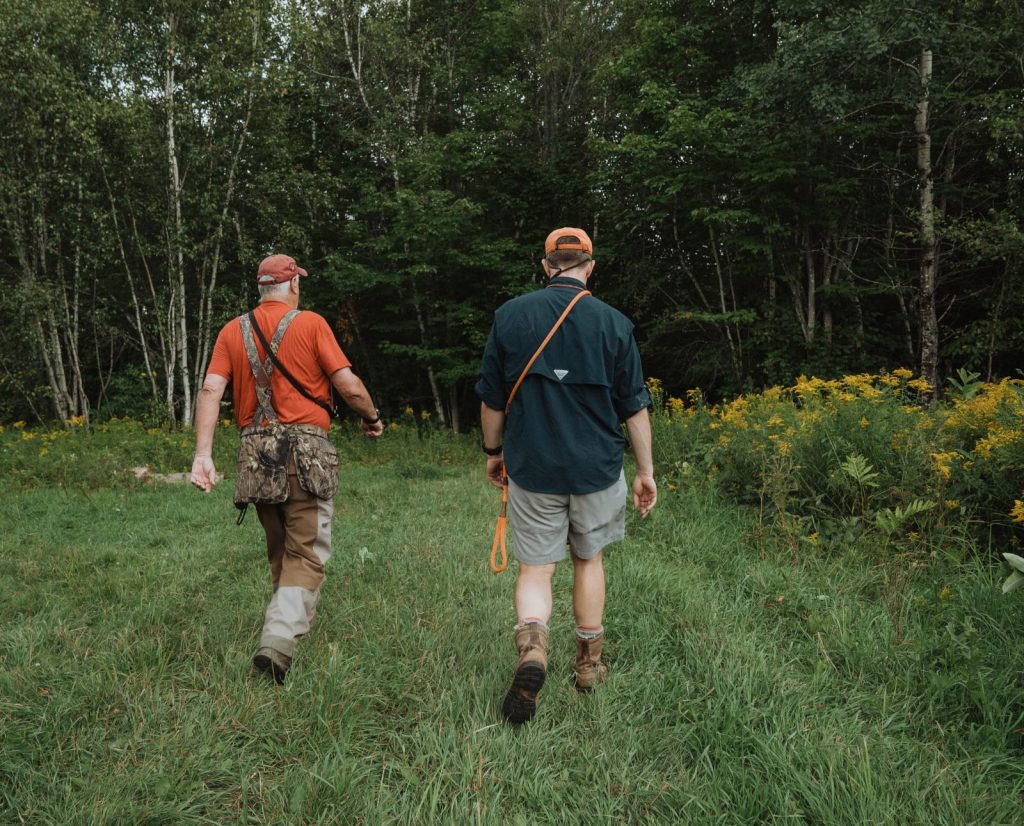
I am always blown away by how many folks don’t scout before hunting season because preseason scouting might be my favourite thing to do besides actually hunting. You can take scouting for your upcoming days afield as serious or as leisurely as you’d like, depending on what you are hunting for.
If you plan on revisiting tried and true hunting spots next season, visit them before the bird season starts. Pay attention to any habitat changes from the previous season. Logging activity, prescribed burns, new cover, or changes in agricultural practices can dramatically influence where birds are.
If you’re a small game hunter exploring new territories, deploying a couple of trail cameras can be extremely effective. Trail cameras will help you narrow down locations where game animals like squirrels, hares, and rabbits might be living. The same can be said for scouting tiny backwaters for waterfowl species like wood ducks and teal. Let’s face it, we can’t be everywhere all the time, but a trail camera can be a handy extra set of eyes.
Summer is also a great time to walk properties that you aren’t familiar with, like those you’ve recently gained permission to hunt. I like to do this especially because I have more time to learn and understand how particular landowners use their property during different times of the year, especially on farms where livestock might dictate where certain species do and do not hang out. Prior to going into a new upland season, knowing exactly where the best cover, food, and water sources are and how to approach them can make a big difference in those first few hunts.
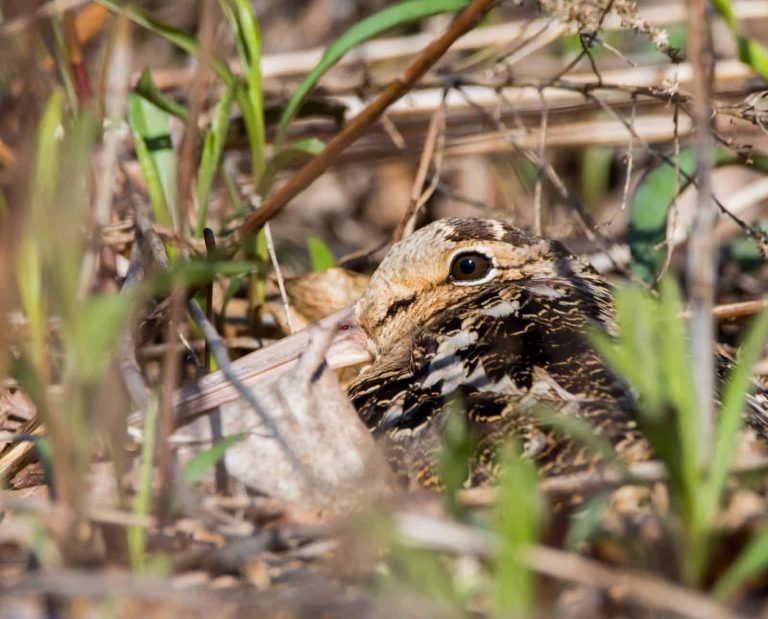
Having said that, if you’re scouting in the spring when birds are nesting, consider leaving your dog at home. There’s no need to flush birds from their nests and risk those eggs never hatching into what might have otherwise been woodcock or ruffed grouse that may have made for a memorable day in the field a few months down the road.
Get In Shape For Hunting Season
Not everyone is perfect when it comes to taking care of themselves during the offseason. That said, there are things that we can do to keep ourselves physically prepared for the upcoming season afield.
Cardio, if you do a lot of walking during the hunting season, is important, and can easily be maintained by getting out for walks all year long. Walk in areas with uneven terrain, and consider wearing your hunting vest or a weighted pack for additional conditioning. Take stock of the aches and pains that develop as we get older and see what can be done about them in the time in between hunting seasons, like helpful stretches or yoga positions.
Read: Dog Conditioning: Physically Preparing Your Dog for the Rigor of Hunting Season
There is nothing worse than getting out for that first walk in the woods of the hunting season and realizing that you haven’t quite worked off those IPAs and Christmas cookies from way back in December, and hiking into that spot you’ve been fawning over will now be twice as hard.
Practice Shooting Your Shotgun
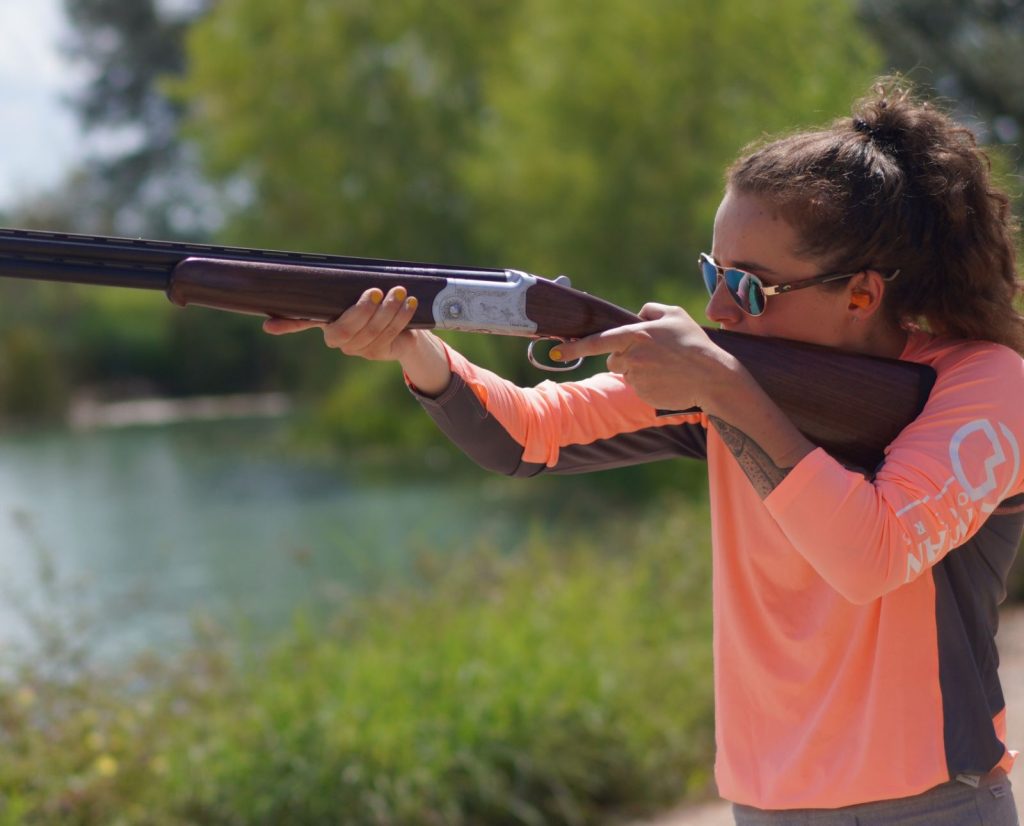
Preparing for your upcoming season also starts with making sure that you’re well practiced with those shotguns that you’ll be using more often than not. Maybe you invested in a couple of new chokes for that twelve gauge but haven’t patterned them yet, or maybe it’s an entirely new shotgun that you’re unfamiliar with. Either way, knowing exactly how your rig is going to perform is essential, and getting out to test it throughout the year is key. Practice your gun mount, pattern any new shotgun loads, and consider joining your local gun club’s weekly trap or skeet night.
Read: Keeping Shooting Skills Honed in the Off-Season
My hunting season is usually divided between hunting upland species like ruffed grouse and woodcock and pursuing lagomorphs like snowshoe hares and cottontails. However, wing-shooting a flushed timberdoodle is a very different experience than leading a fleeing cottontail. If you have the ability to utilize a clay thrower, I recommend shooting clays from as many different angles as possible, not just one or two.
For leading small game, we angle our thrower so that the clays cruise a foot or two above the ground, which also has the added benefit of keeping us sharper than perhaps necessary because those clay targets are moving faster than most rabbits and hares can. That usually translates into better target acquisition during the hunting season. When a rabbit does flush, getting a bead on it is easier when I’ve been practicing, even in thick cover.
Opening day shouldn’t be spent wondering whether your hunting boots fit, your dog collar works, or where you’re going to hunt. Those decisions should already be behind you. The offseason is an opportunity to invest in the hunts you’ll remember most. When autumn finally arrives, you’ll spend less time solving problems and more time enjoying the places you’ve worked all year to hunt.