


Eating Marmot: The History and Tradition of Marmot as Wild Game
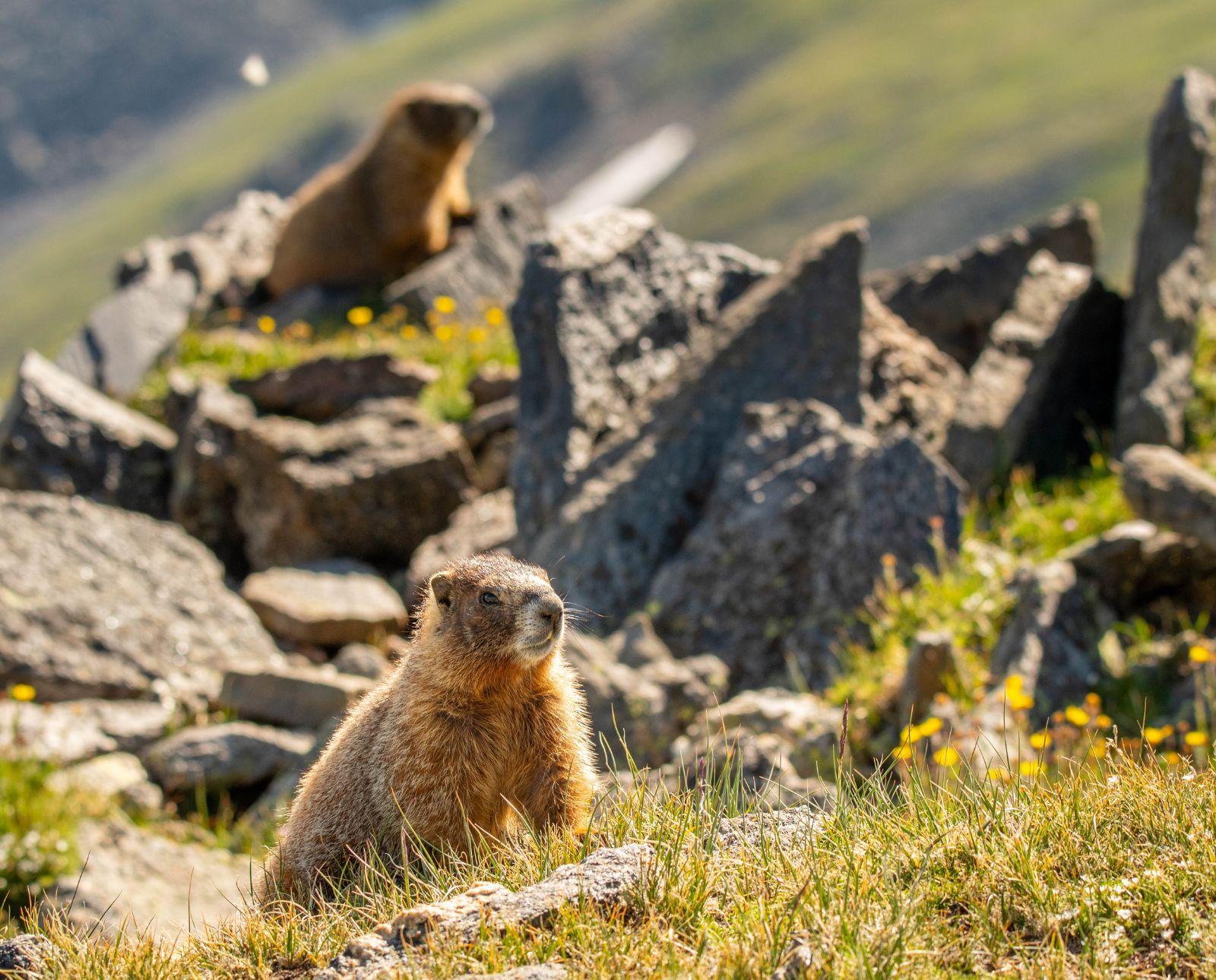
Exploring the history, cultural significance, hunting, and culinary traditions surrounding one of the West’s most overlooked small game animals
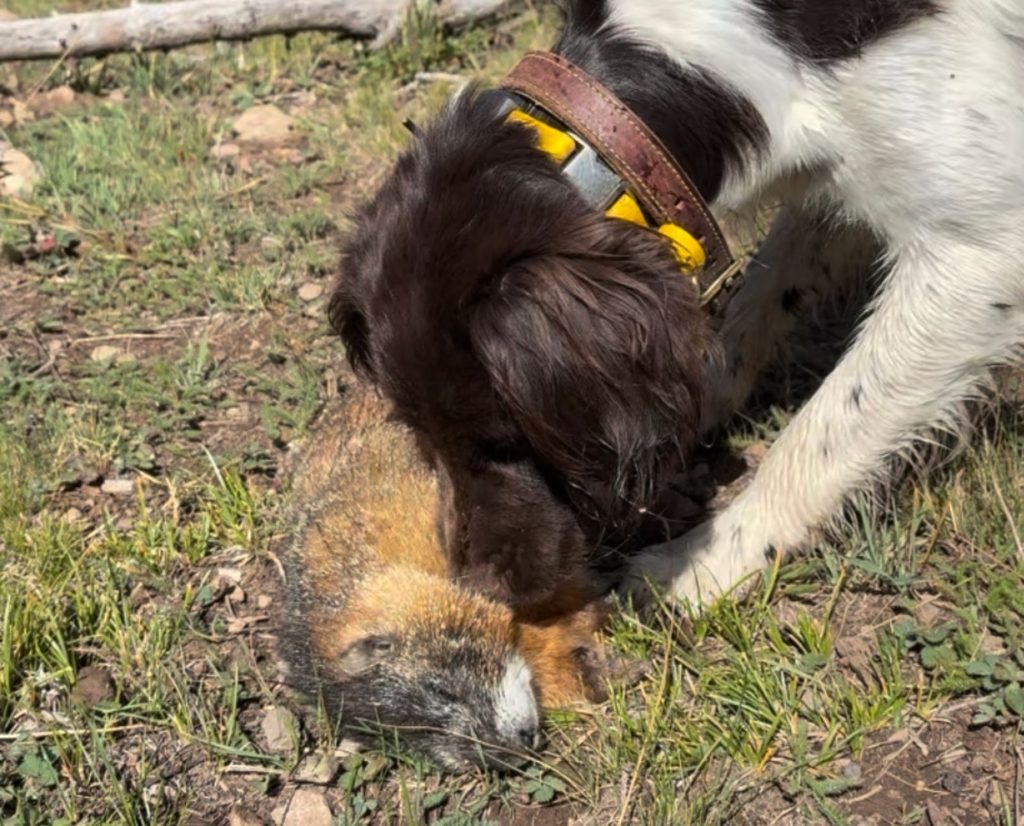
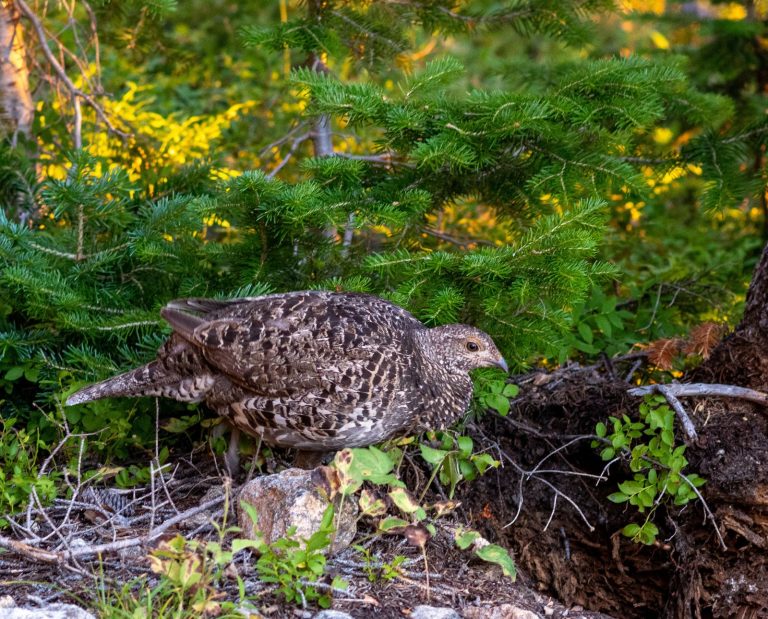
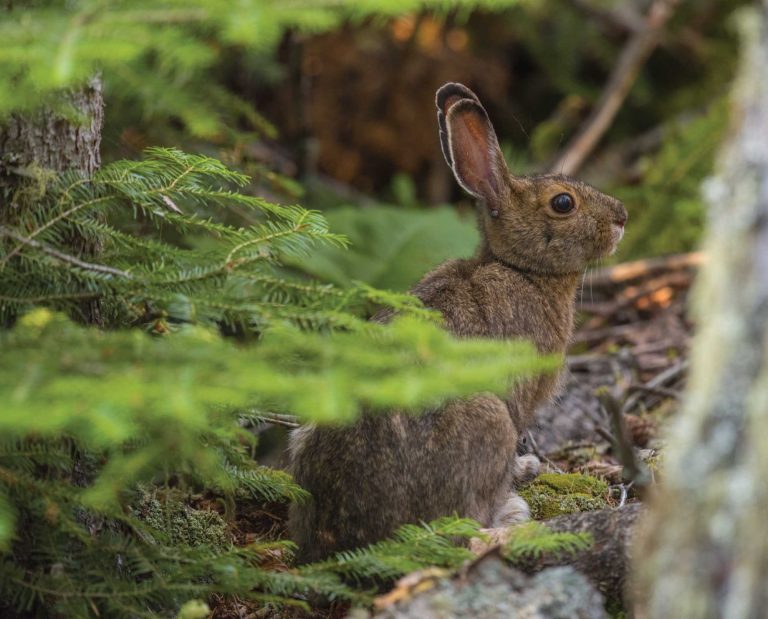
As a proud owner of a 15-month-old Small Munsterlander, my goal for this hunting season is to show Herman as many small game animals as possible. Like Herman, I, too, am a versatile hunter happy to go home with a mixed bag. Typically, this means dusky grouse and rabbits. However, on opening day of dusky grouse season this year, I stuck something much heavier in the back of my vest: a yellow-bellied marmot.
Marmots are the groundhog’s western mountain cousins, beloved by the general Rocky Mountain public but underappreciated by small game hunters. Personally, I find their incessant alarm call to be like a dinner bell, and listening for it is a great way to hone in on their specific location. But on my way back to my car with two grouse and a chubby marmot in tow, I got to wondering about the intersection of marmots and human culture, and whether marmot enchiladas would taste good.
Have humans historically eaten marmot? How were they cooked? Was marmot fat a main source of calories, or were their fat stores used for other purposes? Given their abundance in Colorado, they must have some sort of historical significance. As it turns out, 41 years of marmot research led by the Rocky Mountain Biological Laboratory, or RMBL (pronounced “rumble”), a research hub about an hour from my house, informed a 2014 textbook by Kenneth B. Armitage titled Marmot Biology: Sociality, Individual Fitness, and Population Dynamics.
Cracking the book open, I knew I was about to get some answers to all my marmot questions.
Marmot Life History and Habitats
There are 15 different species of marmots. Five of them—the Alaskan or arctic, hoary, yellow-bellied, woodchuck or groundhog, and Olympic—can be found in North America. Here in Colorado, we only have the yellow-bellied marmot.
Yellow-bellied marmots (Marmota flaviventris) are the largest species of ground squirrel in Colorado. They have stout bodies and medium-length fur, and can weigh up to 11 pounds. Marmots live in alpine meadows and down at lower elevations where suitable habitat is available. Most notably, marmots hibernate for about 200 days a year. They can be seen waddling around and basking on rocks before they hibernate each fall, including during their Colorado hunting season that runs from mid-August through mid-October.
Marmots themselves are largely herbivorous, feeding on grasses, forbs, flowers, and seeds. By late summer, marmots are eating to build the energy reserves that will carry them through winter. Colorado Parks and Wildlife (CPW) notes that marmots can lose up to half their summer weight during hibernation. That helps explain one of the more surprising things about cleaning a fall marmot: the sheer amount of white fat packed around its body.
According to CPW, yellow-bellied marmots are a great food source for predators, including coyotes, golden eagles, badgers, hawks, and even pine marten. However, CPW states that “predation probably is a less important cause of mortality than is the stress of hibernation, as marmots are protected by a rocky habitat and a social system of alarm calls.”
Alarm calls—AKA dinner bells.
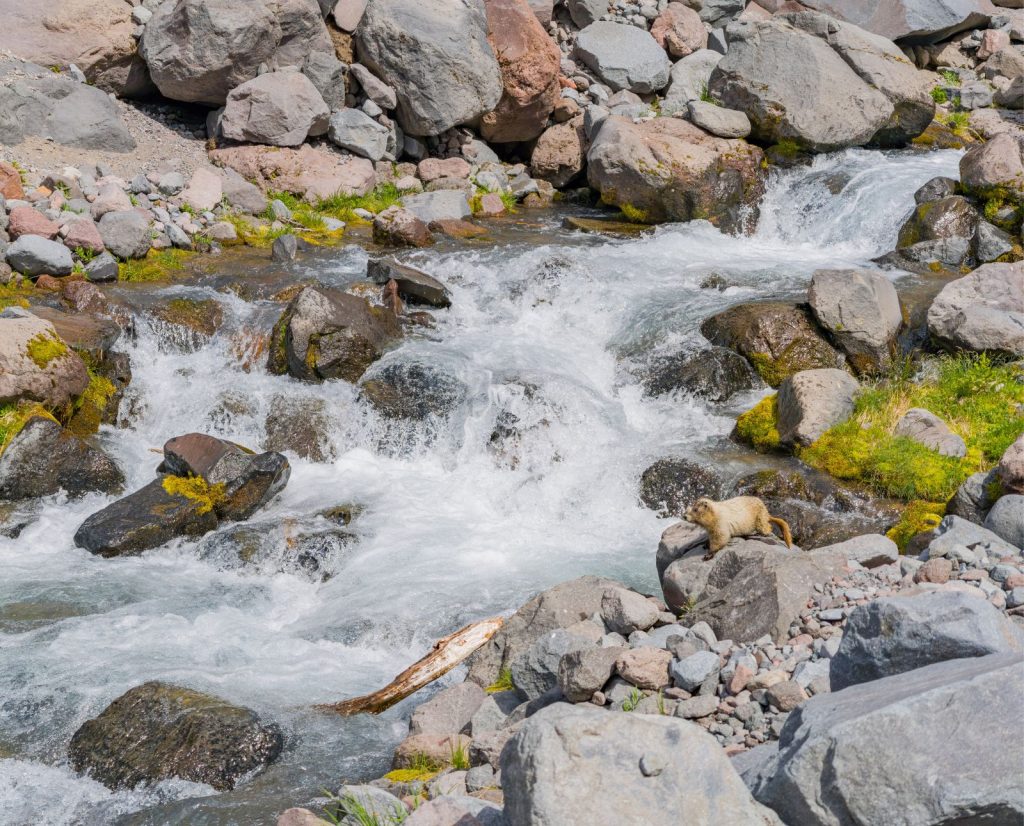
Marmots and Human Cultures
All North American marmot species were used by Indigenous peoples for food and clothing. Historically, trappers used deadfall traps to harvest marmots for their prized fur—when the rodents’ winter coats come in, their fur is fine, dense, and soft. In the upper Skeena River region, marmot robes were a sign of wealth.
There are even some marmot legends. A Paiute story talks about how “the whistler” came to live in piles of rocks. A Mongolian tale describes how one hunter, who swore to shoot down all seven suns and only shot six, became a marmot after his failure.
Armitage cites two other legends from a 1994 research paper, too. A Cherokee story explains how the woodchuck lost its long tail while escaping a pack of wolves, while a Mohawk story describes the woodchuck choosing to remain underground after people and other animals emerged to live on the surface.
Today, marmots are a charismatic critter of the high country. Many restaurants, hotels, beers, dishes, and more bear the name “marmot,” “whistle pig,” or other nicknames, and their likeness decorates everything from signs to stickers to t-shirts. They’re subjects of stories, books, photos, artwork, statues, and more.
Marmots as Wild Game Meat
According to Armitage, marmots have been hunted by humans for meat and fur since the Late Pleistocene. Depictions of marmots can even be seen in cave paintings in France. Armitage also notes that a few archeological sites contained hundreds of individual marmot skeletons, making a convincing argument for targeted hunting despite marmots being a low-abundance species during that time. Regardless of the number of marmot remains found on historic sites, researchers linked marmot hunting to colder periods.
“In the early years of marmot research I was frequently asked, ‘what are marmots good for?’” writes Armitage in the opening sentence of his textbook. I’m sure that question has popped into the minds of anyone who has hunted, hiked, or backpacked at high altitudes. Of course, marmots are good for ecological reasons; however, I’ve found that marmots are also great for slow-cooked meals.
“Marmot meat is baked in the skin or with noodles, meat and vegetables are baked in a cauldron, or meat is incorporated into steamed or fried pastry,” writes Armitage. “Recipes can be found in many cookbooks; e.g. the Pioneer Cook Book by Ruth Stone contains directions for fried and baked woodchuck.”
Across North America, “marmot flesh was regarded as excellent,” writes Armitage. He notes a story from Crested Butte, Colorado, when, during a miner’s strike in 1913, the “miners turned to hunting for meat and greatly reduced the marmot population.” Local old timers have reported that “there is no better eating than a fat marmot in the fall.”
A fall marmot is fat precisely because it’s preparing not to eat for months, and clearly humans have been exploiting that seasonal package of meat, fat, and fur for thousands of years. Which brings me back to the marmot I recently carried off the mountain.
What Does Marmot Meat Taste Like?
When asked what marmot meat tastes like, I often say it’s like a dark meat rabbit. It’s more flavorful than chicken, and it’s darker than chicken, but it doesn’t have an overly strong flavor on its own. Once cleaned, a marmot has about the same amount of meat on it as a large rabbit, along with a surprising amount of chunky, white fat.
Marmot meat benefits from moist cooking until the meat is tender enough to pull easily from the bone. Braising, slow cooking, pressure cooking, and cooking in a Dutch oven can all work well.
Personally, when I prepare marmot, I brine the meat for at least one day. Then, I put it in a crockpot, cover it with water or broth, and simmer it until the meat is very tender. Next, I pull the meat off the bones and season it for whatever recipe I’d like—including enchiladas. I mean it when I say the marmot enchiladas I cooked the other day were one of the best wild game dishes I’d made in years. The meat was tender and carried the flavor of the spicy chiles and roasted peppers beautifully.
Marmot meat shines in dishes like pot pies, burritos, stew, and other rich, flavorful dishes. Additionally, marmot fat can be rendered down and used as a salve, cooking oil, and more. According to Armitage, the fat has traditionally been used to treat burns, wounds, frostbite, and even saddle sores on horses. Marmot fat oil is also a traditional medicine used in some alpine European communities to soothe muscles and joints.
Safely Handling Marmot Meat
Marmots are rodents, and like other wild rodents, they can carry diseases transmissible to humans. Plague is perhaps the most infamous. The bacteria that cause plague occur naturally among rodents in parts of the western United States, including Colorado. According to the Center for Disease Control and Prevention, people are most commonly infected through the bite of an infected flea or through contact with an infected animal.
When hunting animals that can carry fleas, including marmots, don’t shoot animals that appear sick or unhealthy, and avoid areas where you’ve seen multiple sick or dead rodents. Wear disposable gloves while cleaning marmots and take precautions against flea bites. If you do shoot a marmot, keep the meat clean and cool, and cook it to 165 degrees F. Thoroughly wash and disinfect knives, utensils, cutting boards, and other surfaces that come into contact with the raw meat.
The next time your versatile dog tracks down a marmot during hunting season, consider taking it. I set out that morning just hoping Herman would find some birds, but I came home with a bonus marmot and a lot of questions. At least one of them now has a definitive answer: Yes, marmot enchiladas are very good.

Great article! As a former Alaskan I saw them often in the alpine regions but never entertained the notion of eating one! Great read!