

The Most Important Plants for Gray and Fox Squirrels
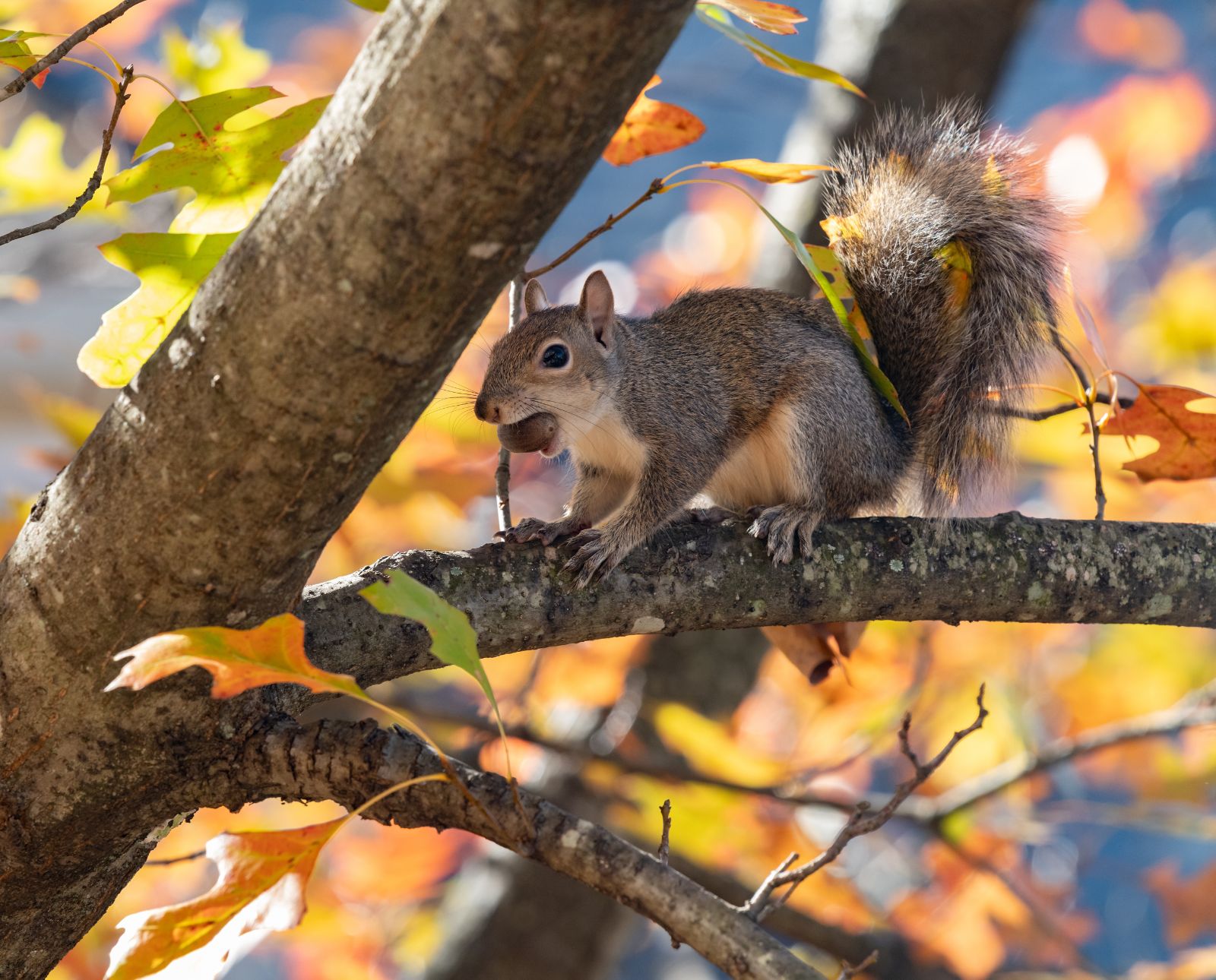
From food sources to nesting materials, here are the most important plants for squirrels depending on the season
When thinking about the plants most important to squirrels, hard mast is usually the first thing that comes to mind. That makes complete sense as we are all accustomed to seeing squirrels in oak and hickory trees taking advantage of the fruit they produce. However, these resources only last a relatively short amount of time during the year. Squirrels must rely on a host of other plants to get them by when the hard mast is gone. A quick survey of other plants will show that there are many types of plants both gray and fox squirrels use and for different reasons.
What Do Squirrels Eat?
While gray squirrels and fox squirrels occasionally eat insects, fungi, eggs, and other animal matter, plants make up the overwhelming majority of their diet.
Generally speaking, squirrels rely on three major plant food sources throughout the year: hard mast, soft mast, and tender new growth such as buds and shoots. Which food source is most important depends on the season. In early summer, ripening mulberries can become a primary food source. By fall, squirrels shift their attention to hard mast like acorns and hickory nuts, often caching these foods for winter. During late winter and early spring, when mast is scarce, they turn to stored food, tree buds, and fresh green growth until new fruits and nuts become available again.
A diverse mix of mast-producing trees often creates the best squirrel habitat because different species produce food at different times throughout the year. Understanding when these plants become important to squirrels can help you locate bushytails more consistently while giving you a deeper appreciation for the habitats they depend on.
Fall Squirrel Food: Hard Mast Trees
We cannot talk about important plants for squirrels without discussing trees that produce hard mast. Trees like oak, which produce acorns, and hickory tree nuts are vital to squirrels when these food sources are available. Other important tree foods include beechnuts, walnuts, hazelnuts, and pine seeds, although these are not equally important across every region.
Hickory Trees and Nuts
Hickory nuts are especially savored and are some of the first hard mast to ripen in the fall. Hickory nuts contain large amounts of fat and protein, making them one of the highest-energy foods available before winter. Squirrels often spend considerable time opening their thick shells that many other wildlife species cannot exploit.
There are many different species of hickory throughout the eastern half of the United States. From mockernut to shagbark, hickory nuts are an abundant part of fox and grey squirrel diets.
Perhaps the most prized hickory species—for squirrels and humans alike—is the pecan. Native groves in the Midwest and commercially planted trees throughout the country draw squirrels like nothing else. Find a ripe grove of pecan trees, and you are in for a great squirrel hunt. Whether hunting pecan groves or isolated hickory in forested systems, I like to look for the discarded hulls of hickory nuts as I’m slipping through the woods. These hulls are easy to spot, and when I’ve found a tree with lots of hulls around it, I will set up within easy shooting range of the tree and wait for squirrels to show up. Oftentimes, the wait is not long.
Oak Trees and Acorns
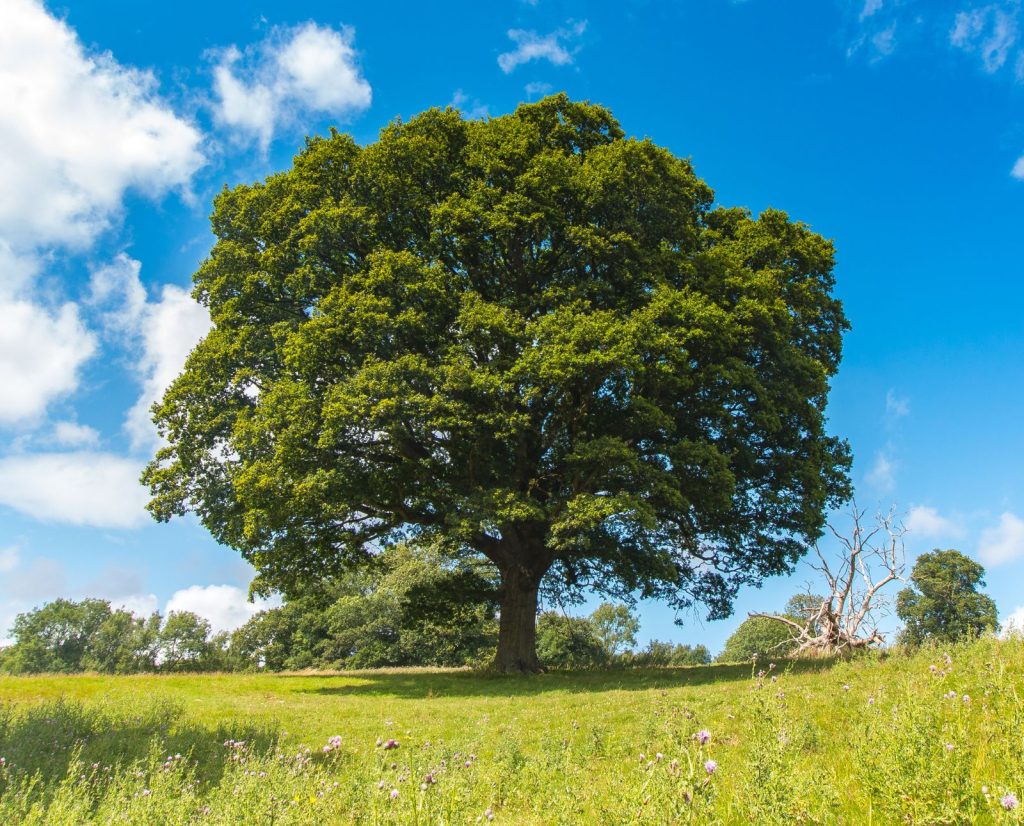
Other great trees that produce hard mast are oaks. There are generally two types of oak trees in the United States: red oaks and white oaks. Within those two large groups are several different species. For instance, black oak, pin oak, and northern red oak are members of the red oak family, while post oak and white oak fall within the white oak group. Both groups provide valuable food, but squirrels generally prefer white oak acorns because they contain less tannic acid than those of the red oak group.
Oaks tend to ripen later in the fall than hickories, offering squirrels a continual supply of food once the hickory nuts run out. Not all oaks produce the same amount of nuts, as a majority of the acorn crop is produced by a small percentage of the overall trees. That makes still hunting a very important tactic when hunting oak-hickory woodlands as you might have to cover some ground to find the acorn-producing trees.
Read: How to Hunt Squirrels with a Dog
Just as I do when hunting around hickory trees, I look for tell-tale acorn hulls scattered or listen closely for hulls to drop from trees as squirrels discard them. Also, if you listen closely enough, you can hear the sound of incisor teeth working hard to chew the acorn. This sound is especially evident when hunting around hickory trees as squirrels must break through a hard hull to get the tasty nut meat inside.
Oak and Hickory Leaves As Nesting Material
While the fruit that is produced by oaks and hickories are their most attractive aspect to squirrels, the leaves produced by these trees are also important. Oak and hickory leaves are commonly used to build leaf nests, or dreys, which squirrels use for resting, raising young, and escaping predators. Dreys are super easy to see when green leaves are off the trees and provide critical cover for squirrels.
Oak and hickory leaves are the most common types of leaves used to make these important habitat features.
Summer Squirrel Food: Soft Mast Trees
Unlike hard mast, soft mast consists of fleshy fruits that ripen throughout the growing season. These fruits provide important calories before the fall mast crop begins dropping.
Mulberry Trees and Berries
One of the earliest fruiting soft mast trees is mulberry. Fruiting in June and July, mulberry trees produce a small, oblong fruit that is a deep purple in color. These trees are usually found along field edges or disturbed ground, as they struggle to compete with trees in a heavily wooded setting. Wherever they are found, mulberries will draw squirrels and other critters from long distances.
Flowering Dogwood
Flowering dogwood is another species of tree that produces soft mast. Ripening in the late summer, dogwood berries are small, red, and are often hidden within the large leaves of the dogwood tree, making them hard to see. However, squirrels will find them and dogwood trees make excellent places to begin looking when on an early season squirrel hunt.
Osage Orange Trees or Hedge Apples
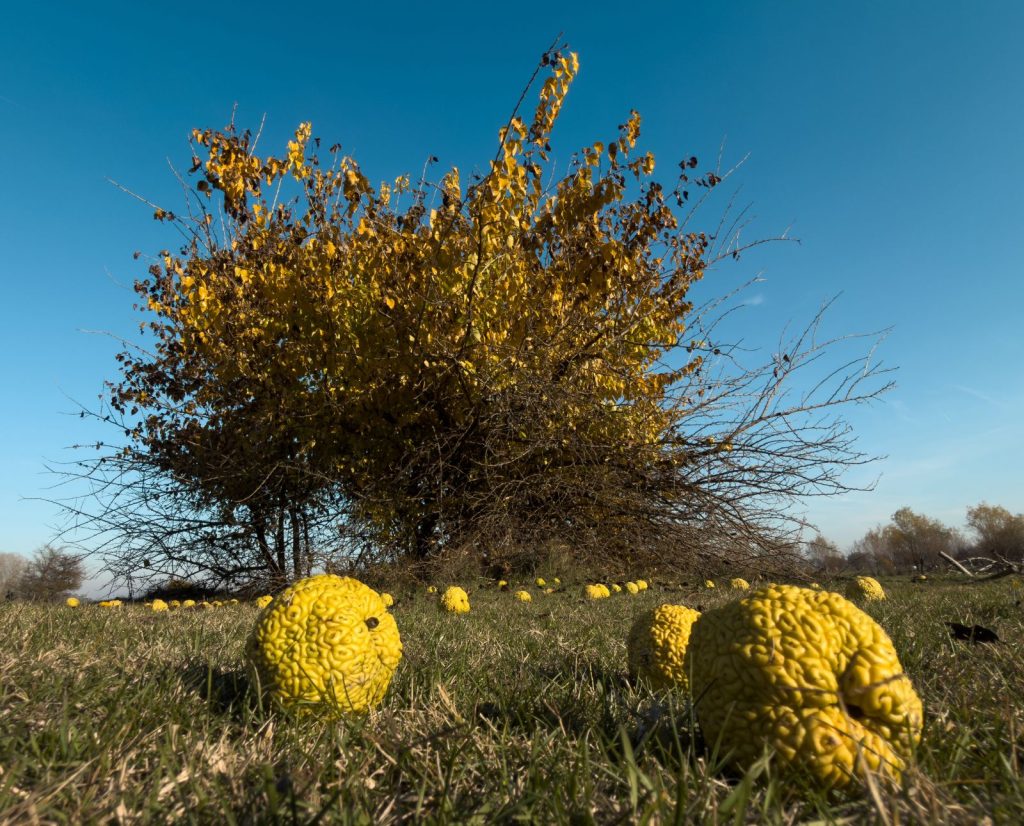
Another important soft mast tree, and one that is more localized, is the Osage orange tree. This tree is also known as a bois d’arc tree and is native to the southern plains. However, it has been planted in many places to be used as fence posts as the wood rots very slowly. The fruit it produces is known by names such as hedge apple, horse apple, and Osage oranges, and it is very distinctive. Often the size of a softball, this pale yellow fruit ripens in September through November and is especially favored by fox squirrels. As squirrels eat these fruits, they leave a huge mess that is easy to see when scouting or hunting.
Spring Squirrel Food: Buds, Shoots, and Stored Mast
So far, I’ve been talking about resources that are available from mid-summer through January, generally speaking. However, squirrels must make a living throughout the year. When hard and soft mast resources disappear in the early spring, squirrels turn to feeding on a much wider variety of foods.
Squirrels cache, or store, food during the fall to save for winter. In the late winter, squirrels will turn to their caches of hard mast when other fatty, nutrient-rich foods are not available.
Tree buds are also a critical winter food source for squirrels. Some of the most preferred species of tree buds are elms, maples, and oaks, but they will consume a huge variety of tree buds. In addition, tender new growth of stems from woody plants are also vital in the spring and early summer. Squirrels will browse on these stems much like deer and rabbits, and stems produce a meal when most food resources are depleted.
How to Find Trees Squirrels are Feeding On
If you’re preparing for a squirrel hunt, regardless of whether it’s the late season or the early season, look for signs of squirrels feeding on the most readily available food source. Fresh sign often includes large piles of discarded nut hulls, stripped pinecones, walnut shells, or chewed hickory husks beneath productive food trees.
Read: Pine Squirrel Hunting, Habitat, and Life History
If it’s the early season, leaves and thick plant growth might make it difficult to see squirrels or identify fresh sign. Instead, find a tree or grove of trees that are producing soft mast. Then, listen for the sounds of squirrels dropping mulberries, jumping through the trees, scuttling up tree bark, or even the sound of them chewing. Squirrels tend to be pretty noisy, and the sounds they make while feeding or traveling to feeding areas can give their location away.
Learn to Read Squirrel Habitat
The plant species and parts of those plants that are important for squirrels is impossible to fit in a short article, but I have highlighted the most important plant resources for squirrels and the time of year when they are most used. Squirrels are survivors and they have adapted to use a wide range of plant resources. Some of these, such as tree flowers, buds, and tender stems are important for squirrels during lean times when we normally cannot hunt them. But others are prime food and escape resources during those times when we can be out chasing them down for a meal.
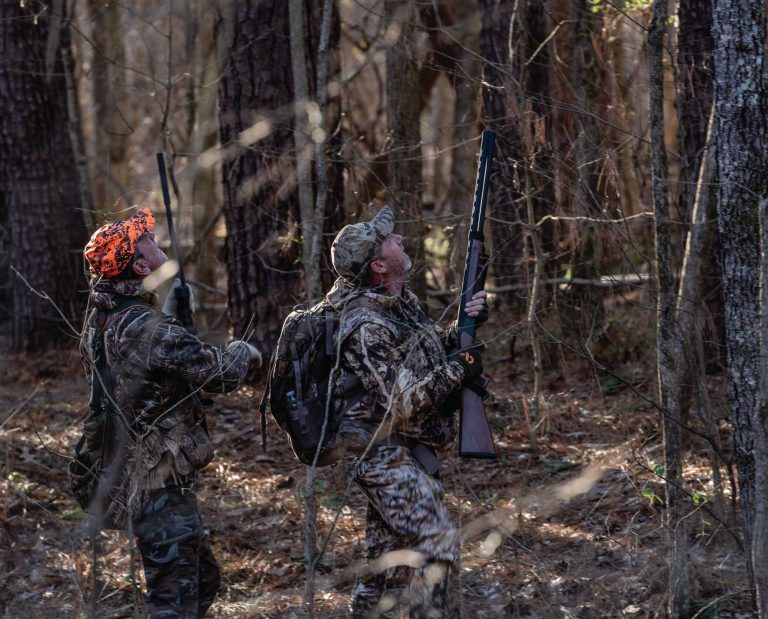
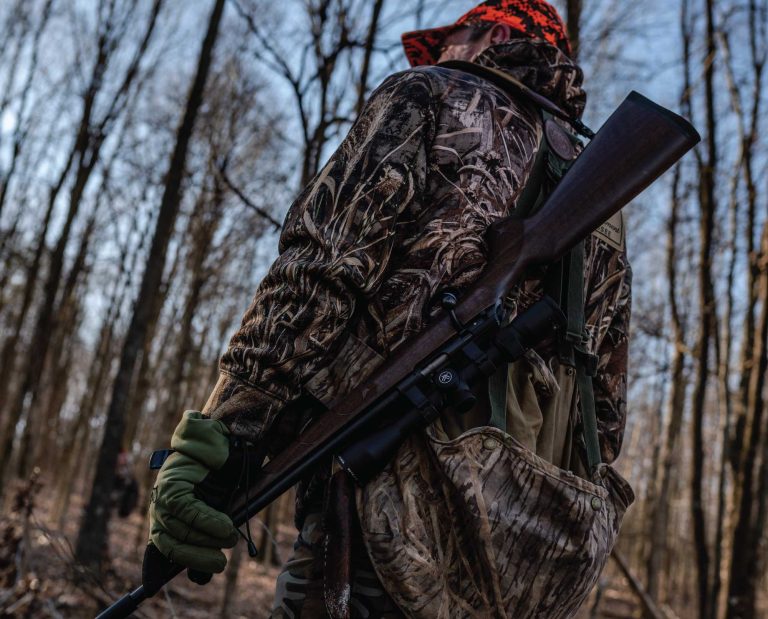
Use this guide to important plants for squirrels to help you on your next squirrel hunt. Become familiar with your local tree species and when they become important for squirrels. It will make you a better hunter and also a more well-rounded naturalist. Trust me, the more you can learn about the natural world around you, the more satisfying any hunt will be.