

Starting a Homestead: A Beginner’s Guide to Planning, Animals, and Layouts
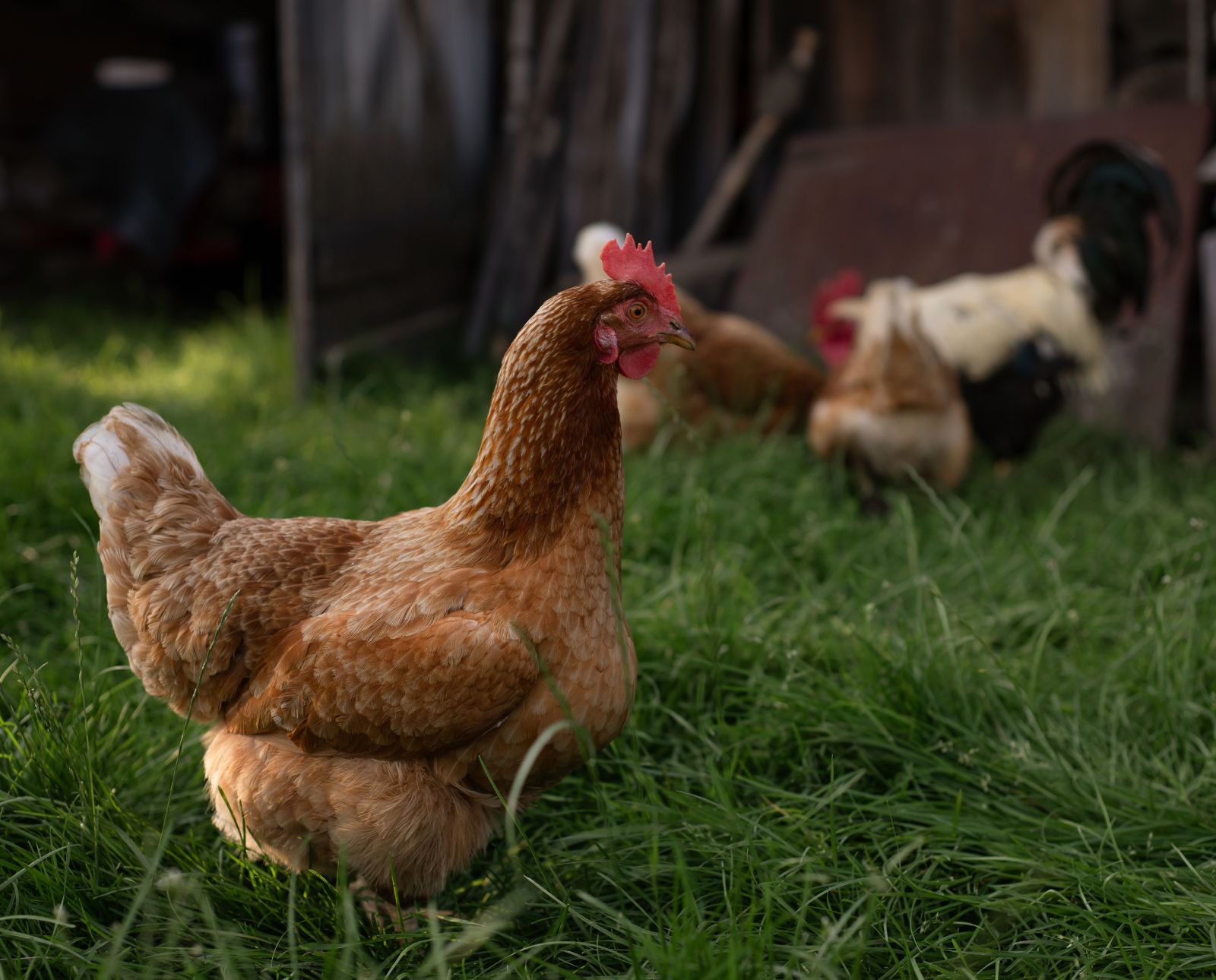
Efficiently using your space, thoughtfully planning your homestead’s layout, and considering the needs of livestock will help you plan out your homestead
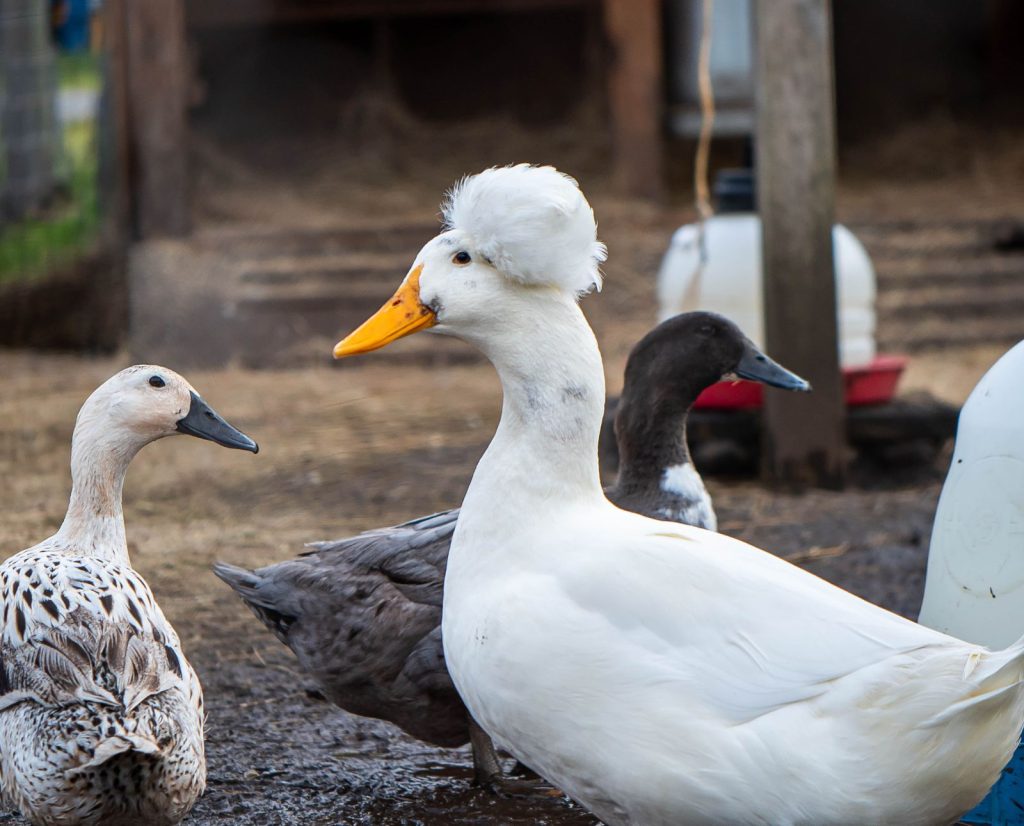
With the temperature just above freezing on my homestead, I tossed on my “chores” pants and jacket before heading out to the yard where a small flock of hens, a mix of Marans and Bantam Cochins, greeted me at the gate. The ducks were still sleeping under the coop, which is typical because they’re out and at it earlier than the chickens. Food was distributed, water bowls were cleaned and filled with warm water, eggs were collected, and my thirty-plus meat rabbits were fed their ration of timothy hay and alfalfa pellets. From start to finish, I accomplished every daily chore on my homestead in about an hour.
After doing this morning routine for the better part of seven years, I’ve found that things on the homestead fall into a seasonal rhythm that often goes unnoticed. But when I stop to think about it, I realize that it hasn’t always been this way. Ten years ago, homesteading was nothing but a dream to me. It was an unattainable and daunting wish because of hindrances like not having enough space, resources, or time to bring all the pieces together.
That, for me, was the hardest part of starting a homestead—the actual “starting” part. Moving through all of those beginnings was a big learning curve, one that didn’t need to be as steep as it was.
For many hunters, homesteading is a natural extension of the self-sufficient mindset. Growing food, raising animals, composting waste, and preserving harvests all reinforce the same connection to food and land stewardship that draws people to hunting in the first place. But take into consideration for a moment exactly what a homestead is. If you immediately conjure visions of a rural farm setting with cows, chickens, domestic turkeys, and great big, luscious vegetable gardens, you may well be setting barriers between yourself and your homesteading goals that are unnecessary. What the modern-day homestead looks like is very different, and perhaps for the better, too.
What Is a Homestead?
A homestead can look very different depending on the person, their goals, and the space they have available. For some people, a homestead might be a rural property with livestock and large gardens. For others, it might be a suburban backyard with a few raised beds, a compost pile, and a small flock of chickens or quail. Some homesteaders don’t keep animals at all and instead focus on growing food, preserving harvests, and becoming more self-reliant. When I first started, I thought a homestead had to include acres of land and a long list of livestock, but experience taught me that self-sufficiency comes in many forms.
At its core, homesteading is less about the size of your property and more about the mindset behind it. It’s the practice of producing more of what you consume, learning practical skills, and becoming more connected to your food and the land around you. Whether you’re raising rabbits for meat, growing tomatoes in containers on a patio, or collecting eggs from a backyard flock, you’re taking steps toward the same goal.
That’s why I encourage anyone interested in starting a homestead not to get hung up on what they think a homestead is supposed to look like. Start with the space, time, and resources you have available right now. The rest can grow alongside your experience.
Planning Your Homestead
Starting a homestead from scratch doesn’t begin with the arrival of your first peeping chicks or the tilling of earth. It starts long before all of the physical aspects, with careful planning and contingencies. If you so much as think that you may want to add a dozen more birds in the future, it’s wise to plan for that when you build your chicken coop, even if you don’t have any chickens yet. Do you have the space set aside for all of those raised beds that you plan on building, and if so, do you have the time to keep up with weeding, thinning seedlings, and anything else that needs doing?
If one homesteading mistake stands out above all the rest that I made, it was that I didn’t have a plan for a long-term model of how I would grow my homestead. I knew that I wanted to make improvements with each passing year. Expanding the capabilities of growing vegetables was big on my mind. However, what I didn’t have was a solid strategy for, say, if we ended up with more ducks and chickens than we had previously planned for. Keeping track of your long-term homesteading goals is a useful practice.
Read: Backyard Homesteading for Hunters: Quail, Rabbits, and Edible Landscapes
In my personal opinion, it’s imperative to think of little things that make a big difference. Consider them carefully. For example, look at the sort of vegetables that you eat most often and focus efforts on growing those instead of novelty vegetable varieties.
Having at least two different plans will stave off the unforeseen calamities that can befall a would-be homesteader long before the first seeds are in the ground. Remember, there are infinite resources out there at your fingertips to help you realize what your plan will ultimately look like, and when in doubt, do not hesitate to reach out to other homesteaders.
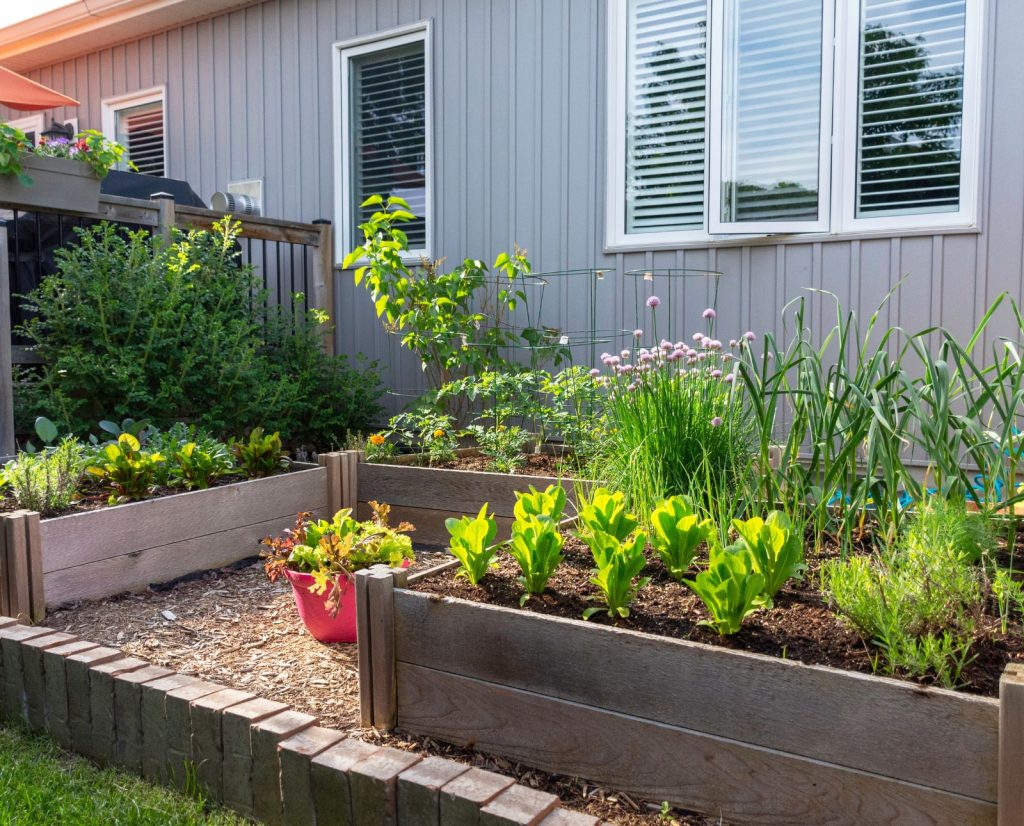
Efficient and Practical Backyard Homesteading: Using The Space You Have
Our world isn’t getting any bigger. For a lot of folks, space is the one thing that prevents them from getting into backyard homesteading. It sure stopped me for more years that I’d like to admit, but here’s the thing; we now live in a time where people who start and maintain strategically developed homesteads right in the middle of city centers share their knowledge through various social media platforms, essentially making the information free to anyone who subscribes.
A perceived lack of space isn’t stopping people anymore from raising meat rabbits or growing vegetables in their backyards anymore. Taking stock of the available space that you have will help you to sort out what is currently achievable as well as what might take more finessing. Homesteaders in urban areas know all too well that when surface area is at a premium, container and vertical gardening with trellises increases their ability to utilize all aspects of growing space to their utmost ability.
Taking a really long, critical look at every square inch of space available, no matter if it’s a fence line, concrete patio slabs, the edge of a driveway, or an acre of lawn, will help you fully grasp the potential for the kind of backyard homestead you are going to start and how you’re going to start it.
Adding Animals to Your Small Homestead
Sometimes a homestead only feels true to form if it has a friendly flock of chickens free ranging across the driveway. Someone once told me that if you don’t have at least one kind of animal living on your homestead, you’re really just a gardener. I don’t think that’s true at all, but if you’re planning on adding some animals to your homestead, it does need to be carefully planned out.
One mistake that I made prior to bringing poultry and waterfowl onto ours was that I didn’t take stock of what predators might be lurking in the shadows. I did not know how to properly protect the ducks and chickens from predators. This could have been easily avoided simply by keeping a trail camera out in the yard to see who was coming and going at night, but I didn’t. While we knew that there were coyotes around, we didn’t realize just how close to the house they came in the darkness.
Make sure that you’re fully aware of unforeseen dangers to your birds as well, like neighbors’ dogs, cats, and hazards around the yard.
Read: Quail or Chickens: Which Domestic Bird is Right For You?
We didn’t start with chickens and instead went with four ducklings that required an indoor brooder setup, constant changing of bedding material, and space enough to grow. Bringing baby birds into a backyard homestead may not be for everyone, and luckily, it’s relatively easy to acquire full-grown, or nearly full-grown chickens and ducks from other homesteaders or your local co-op.
If you live in the suburbs or an urban environment where having ducks and chickens isn’t an option due to pesky bylaws and nosy neighbors, you may want to consider animals like rabbits, which can be raised for meat, need far less space than most other animals to live comfortably, and have a relatively high turnover rate for harvest. Coturnix quail are another fantastic option for small homesteads. Quail are quiet, docile, and lay a lot of eggs. If you’ve never had pickled quail eggs before, you’re missing out.
Considerations for Starting Your Homestead
Two years ago, I did a complete overhaul of my homestead setup. All of my raised garden beds were in the back forty of our property, which sit at just under a half-acre in size. The gardens back there were constantly ravaged by cottontail rabbits, deer, and raccoons. It tended to flood slightly in the spring, and navigating wheelbarrows full of composted manure from our chicken run all the way back there was a hassle. This, of course, could have all been avoided had I simply consolidated an area adjacent to where our chicken coop is. This would have minimized the distance required to get the manure to the raised beds, all the while allowing our chickens and ducks to rummage through the gardens in the spring and fall to eat up any lingering pests.
The effects of this move were immediate. Almost overnight, the problem with cottontails went away because they didn’t seem to like our ducks, which can be a little aggressive toward small animals. Also, we no longer had to deal with ticks, which the chickens made short work of. Our dogs tend to spend a lot of their time closer to the house, and their scent seemed to be more than enough to keep any bean-hungry deer from coming in to feast, too.
The point that I’m trying to make here is to keep a logical mind when you’re laying out the groundwork for how your entire setup will operate. Consolidating your gardens in the area immediately surrounding where your coop is going to go is a great way to mitigate the time and energy it takes to, say, clean out your hen house and composting the bedding material. Having everything centralized will help.
While starting a homestead can sometimes be a lot of work, depending on how you envision it, it’s supposed to be fun, fulfilling work. If nothing else, maybe the most important aspect of starting a homestead is to not lose sight of that. Whether you’re working with a suburban backyard or several acres of land, starting a homestead is ultimately about building a lifestyle that fits your goals, resources, and connection to the land.