


Bird Hunting Gear Checklist: Don’t Forget Essential Gear at Home
This pilot learned the hard way why every upland hunter needs a bird hunting gear checklist before leaving home
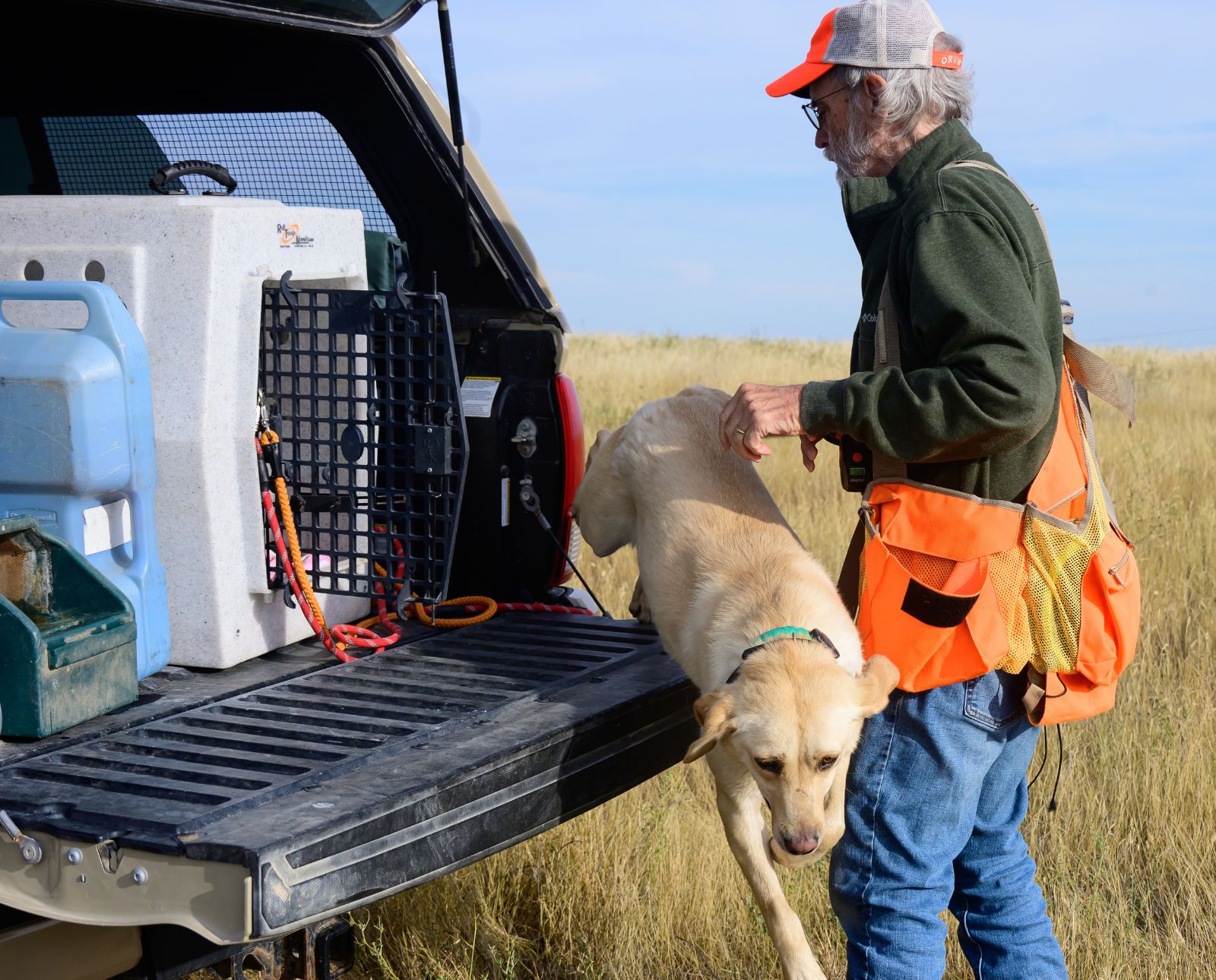
Some years ago, an experienced hunter I shall not name (Me? Perish the thought…) set out with his wife early on the opening day of the Montana upland season. After a 40-mile drive and a social visit with the landowner, they crossed a cattle guard, drove another mile down a rutted two-track, and parked. The dogs—an experienced Lab and a young wirehair—knew full well what was going on and sounded as if they were trying to claw their way out of their crates in the back of the trunk.
After dropping the tailgate, he let the excited dogs out so they could burn off some of their pent-up energy. It still took him ten minutes to get their e-collars fastened. The weather was hot as usual in September on the prairie, and they had set off early so they could get the dogs out of the field by mid-morning. After filling water bottles to carry in their vests, he walked around the truck, opened the backdoor, and experienced a sinking feeling that something was missing.
“Where’s my shotgun?” he asked his wife, Lori. (Oops—busted!)
“Wherever you put it when you loaded the truck last night.”
“Well, it isn’t here.”
“Looks like you forgot it then,” Lori replied from the other side of the truck, with an eyeroll I could feel even though I couldn’t see it. “Dumb move, but let’s not let it ruin opening day. We can hunt with mine and pass the shotgun and camera back and forth. We’ve done that plenty of times.”
“Great idea, but your gun is with mine in the double case. Probably lying on the kitchen table.”
“Then let’s go get them and come back out.”
“It will be too hot for the dogs by then.” Accepting defeat, I whistled the dogs in. As I ordered them back in their crates, they looked at me as if they concurred with Lori that I was the dumbest hunter in the world.
I couldn’t disagree.
Why Every Upland Hunter Needs a Bird Hunting Gear Checklist
On many levels, upland hunting is a simple, relaxing activity, but it still requires a lot of gear. Not all of it is as essential as a shotgun, but forgetting a dog whistle, hunting license, shells, water, or another small item can become almost as frustrating.
I think every upland hunter I know has forgotten something occasionally. The consequences may not be as serious as leaving behind an important piece of survival equipment on an extended backcountry trip, but they can certainly waste time and be embarrassing—especially since they are so easy to avoid.
The best way to prevent it is with a bird hunting gear checklist. Flying planes in Alaska taught me the importance of this concept. In complex aircraft, a pre-flight checklist can involve a strict protocol and take some time. In the Super Cub I was flying, all I needed was the mnemonic CIGAR TIP (controls, instruments, gas, altimeter, run-up, trim, interior, and pattern). That routine proved so easy and useful that I now have separate checklists for most of my outdoor activities including upland hunting as well as duck hunting, fly fishing (one for fresh water, another for salt), bowhunting, and backcountry travel. Compulsively reviewing them before heading out the door has saved me from several repeats of that opening day fiasco.
I have included my own upland checklist here purely as a starting point and an example. Some readers likely won’t need certain items on this list and others will need some that aren’t, depending on where and what they are hunting and personal needs and preferences.
Bird Hunting Gear Checklist
- Shotguns and cases
- Dogs and dog boxes or crates
- Shotgun shells
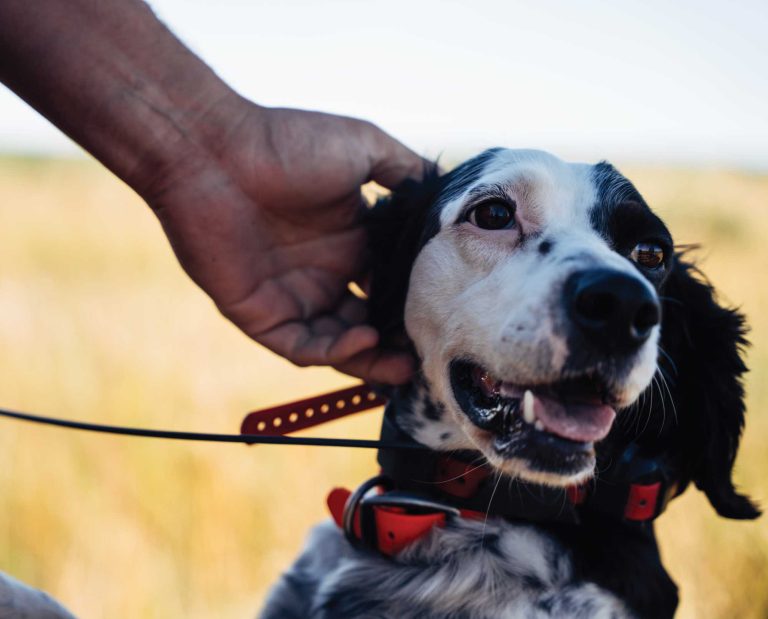
- E-collar and dog whistle
- Glasses
- Game vests
- Hats
- Hunting license
- Cameras and photo supplies
- Dog water bottles and bowls
- Large water bottle or jug in truck
- Cell phone
- Medications
- Cold cooler with snacks, drinks, and room for birds
- Dog treats
- Cable cutter
- Toilet paper
- Gloves
- Stuff for landowners
Some items (like a shotgun, duh!) are obvious enough to require little explanation. I’ll now offer some brief commentary on others that are less obvious, identified by number.
3. Shells. It’s not enough to have enough; they need to be the right kind. After a few weeks of hunting season, mine tend to wind up in disorganized piles. No one needs goose loads on a quail hunt. When I’m hunting with a 12-gauge, I like a reminder to check my vest pockets and confirm that they don’t contain any 20-gauge ammo that could lead to disaster during a quick re-load.
4. E-collars and whistles. For some reason, dog whistles seem especially easy to leave behind. During hunting season, I usually keep several stashed around the truck, but I always like to confirm it.
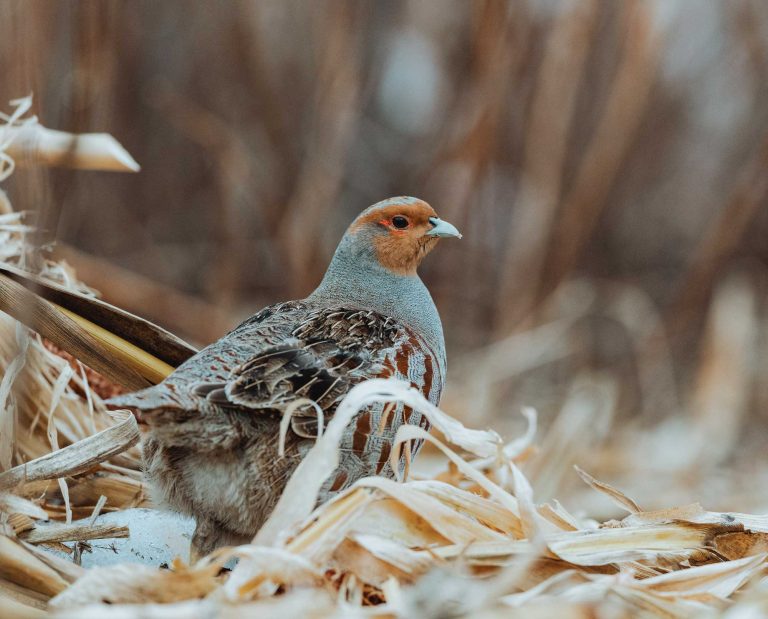
5. Glasses. I need this reminder more than most hunters because of esophoria, an imbalance of the eye muscles that causes intermittent double vision. Corrective lenses really help my shooting, but since I don’t wear them all the time, they’re easy to forget. It’s hard enough to concentrate on picking one target from a Hun covey rise without seeing two birds for every one that is actually there. Many hunters without such specialized eye problems routinely wear shooting glasses in the field as more of us should, just for eye protection. Sunglasses can always be helpful on bright days. No matter why you want glasses in the field, they won’t do you any good if you leave them at home.
7. Hats. For reasons of safety, I routinely wear a blaze-orange hat on upland hunts and like hunting partners to do the same. When hunting late season pheasants in sub-zero weather, a stocking cap that comes down over my ears can mean the difference between a limit of roosters and an early departure from the field—as long as I’ve remembered to bring one.
8. Hunting license. The little things are the easiest to forget, and game wardens have a limited tolerance for “I must have left it at home” stories. Say no more.
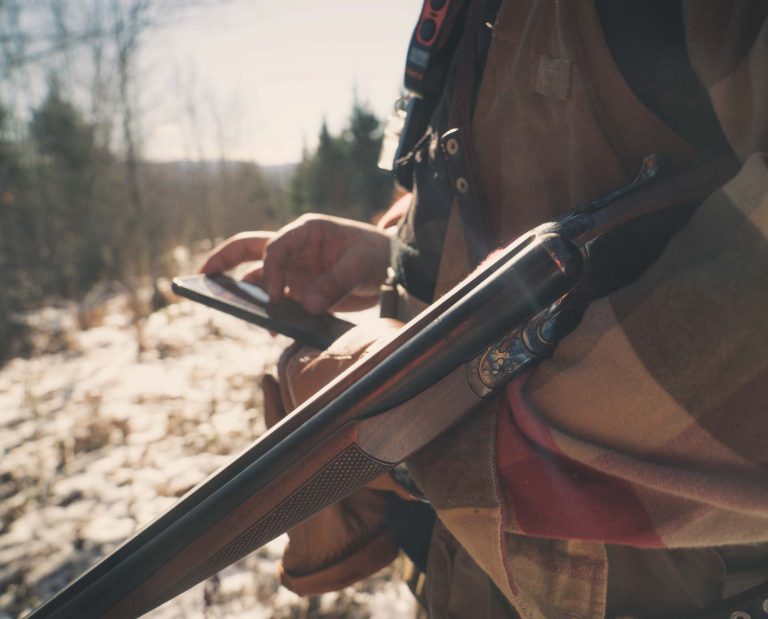
9. Camera and photo supplies. This is more important—and complicated—for us than most hunters, but the best camera in the world is the one you have with you. Today’s cell phones will get the job done fine for most hunters in most situations, as long as you’ve remembered to bring it.
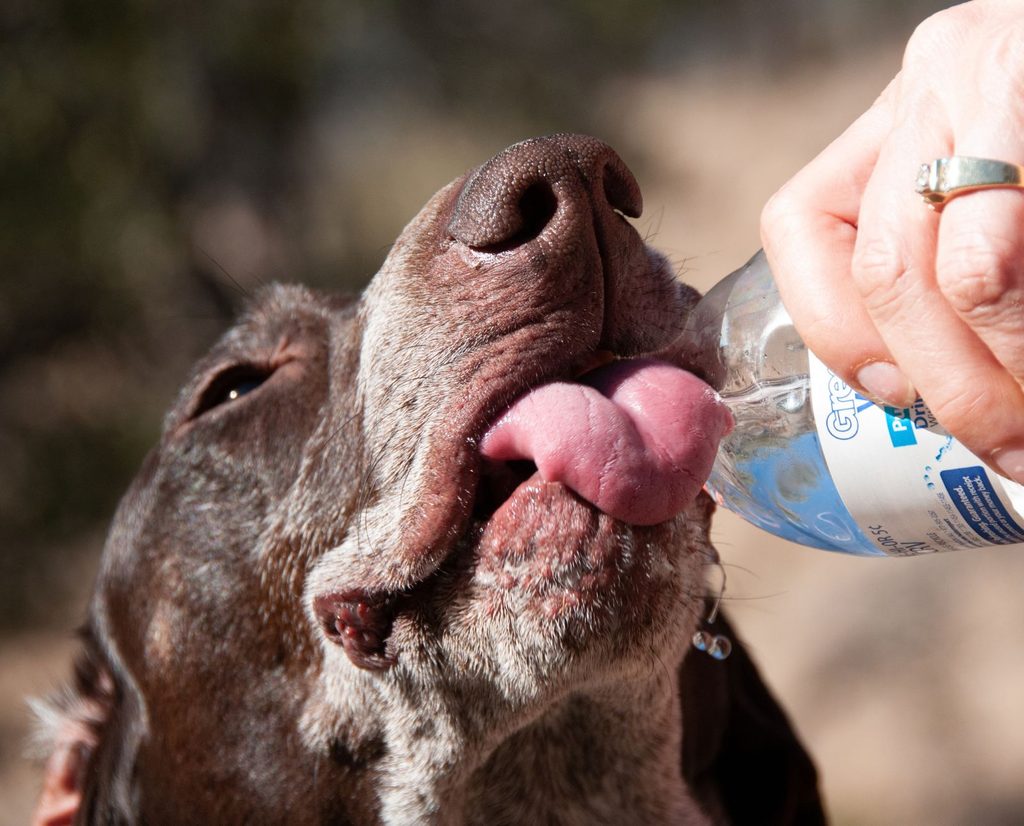
10. and 11. Dog Water. In cool weather or when hunting a location with known surface water this may not be important, but during early season on the prairie or when hunting quail in the desert it can be critical. My rule is to bring twice as much as I think the dogs could possibly need, which is why I always carry a full 5-gallon water container in the back of the truck during early upland season. The checklist reminds me to be sure it is full or nearly so and, during the late season, that it hasn’t frozen. In hot weather, Lori and I each carry a full water bottle in our vest. A lightweight collapsible rubber bowl is easy to carry and an efficient way to deliver water to the dogs in the field. All are also easy to leave behind.
12. Cell phones. Frankly, I hate cell phones and the way they have intruded relentlessly upon our lives. However, digital map functions can be very useful when hunting near private land with poorly marked boundaries, and a cell phone can be lifesaving in a true emergency. Otherwise, they can stay turned off.
13. Medications. Hunters who need to take certain medications several times a day (as I now do) shouldn’t leave home without an adequate supply in a small container that can be carried easily and securely.
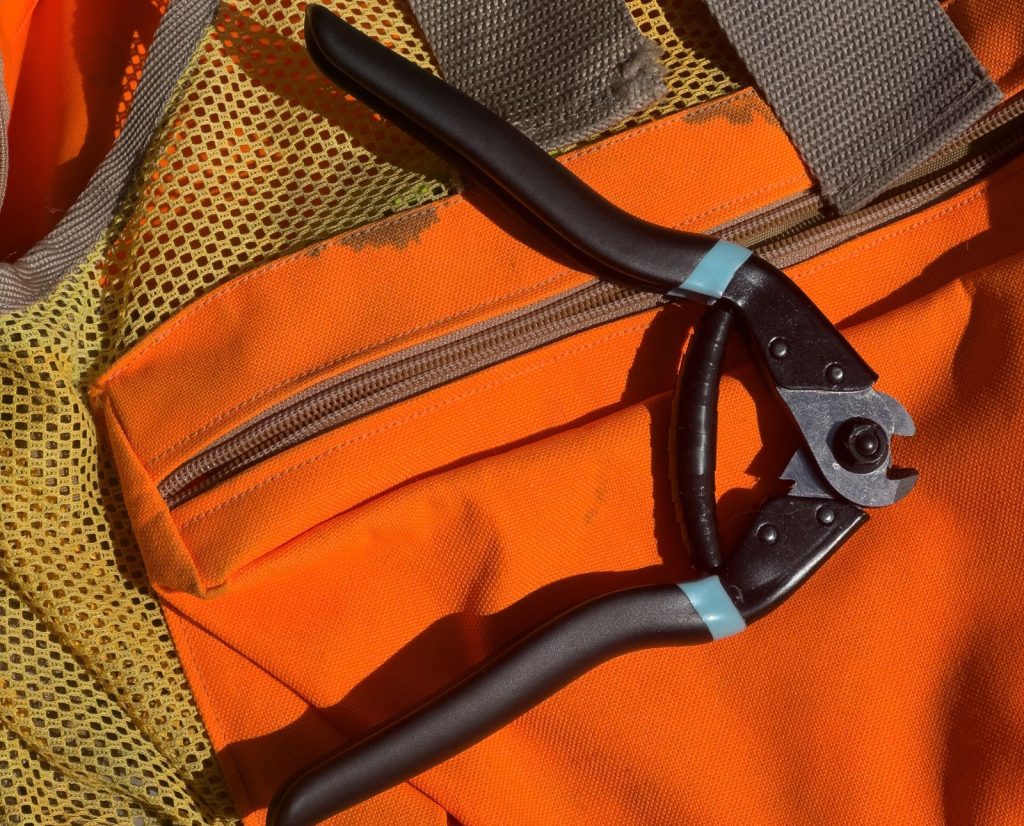
16. Cable cutter. This is a relatively recent addition to my checklist and one I hope I never need to use. Trappers operate legally on both public and private land, and in most places there is no requirement to notify others that traps are present. A dog caught in a leg-hold trap should survive, at the cost of some misery and lost time in the field for the dog, stress for its owner, and perhaps a bill from the vet. But a dog caught in a snare may soon be dead without prompt intervention. Friends more familiar with snares than I am say the best way to cut through one quickly is with an aircraft cable cutter. They are light, easy to carry, inexpensive, and readily available online. I always keep one in my hunting vest now.
17. Toilet paper. Too obvious to require explanation, but easy to forget. Unnecessary until it isn’t.
18. Gloves. I don’t like shooting with gloves on because they make it hard to feel the trigger and safety. However, they may be mandatory during cold late season weather. In those conditions I usually wear a standard winter glove on my left hand and a fingerless wool glove on my right (trigger finger) hand. If the temperature is too cold for that to keep my fingers functional, it’s probably time to leave the field.
19. Stuff for landowners. A lot of the farms and ranches we hunt are owned by old friends who live a long way from town. If we can save them an 80-mile round trip by bringing out prescription medications from the pharmacy or a tractor part from the implement dealer, the gesture is an easy way to show our appreciation of their hospitality. I like to call several days ahead to ask, and the checklist helps remind me to do so.
Make Your Bird Hunting Gear List Your Own
Just like the items mentioned above, a bird hunting gear checklist doesn’t do any good if you can’t find it or forget to consult it. I’ve never been able to come up with a simple mnemonic like CIGAR TIP, but perhaps some reader with spare time and a large vocabulary can. I just tape a hard copy inside our back door so it hits me in the face before departure.
As noted throughout, this bird hunting gear list is designed for the kind of hunting I do. Other hunters will have different needs depending on their dogs, quarry, terrain, weather, and hunting style. In this piece, I’m recommending the idea of a checklist more than its individual components.
But think about that cable cutter. If it saves one dog’s life, writing this article will have been worth the effort.


After having to pull over 2 dozen porcupine quills from my Brittany’s muzzle with my own teeth, I now am carefully to include a pair of small pliers in my upland bird hunting gear list. (And also a case of waterproof matches in case I find myself either lost or, more likely, isolated far from my car or camp, with a broken or badly sprained ankle)
You’re quite right about the quills, John. I’ve had a Kelly clamp (medical version of pliers that works better for this purpose) in my game vest so long I forgot about it. Thanks for the reminder. As for the matches… When I was flying in Alaska, I always wore a fishing vest with survival gear in it. I kept this list focused on items specific to upland hunting. Contents of a comprehensive survival gear pack were just beyond the scope of this discussion. Appreciate your input.