

How Small Game Hunting Makes You a Better Big Game Hunter
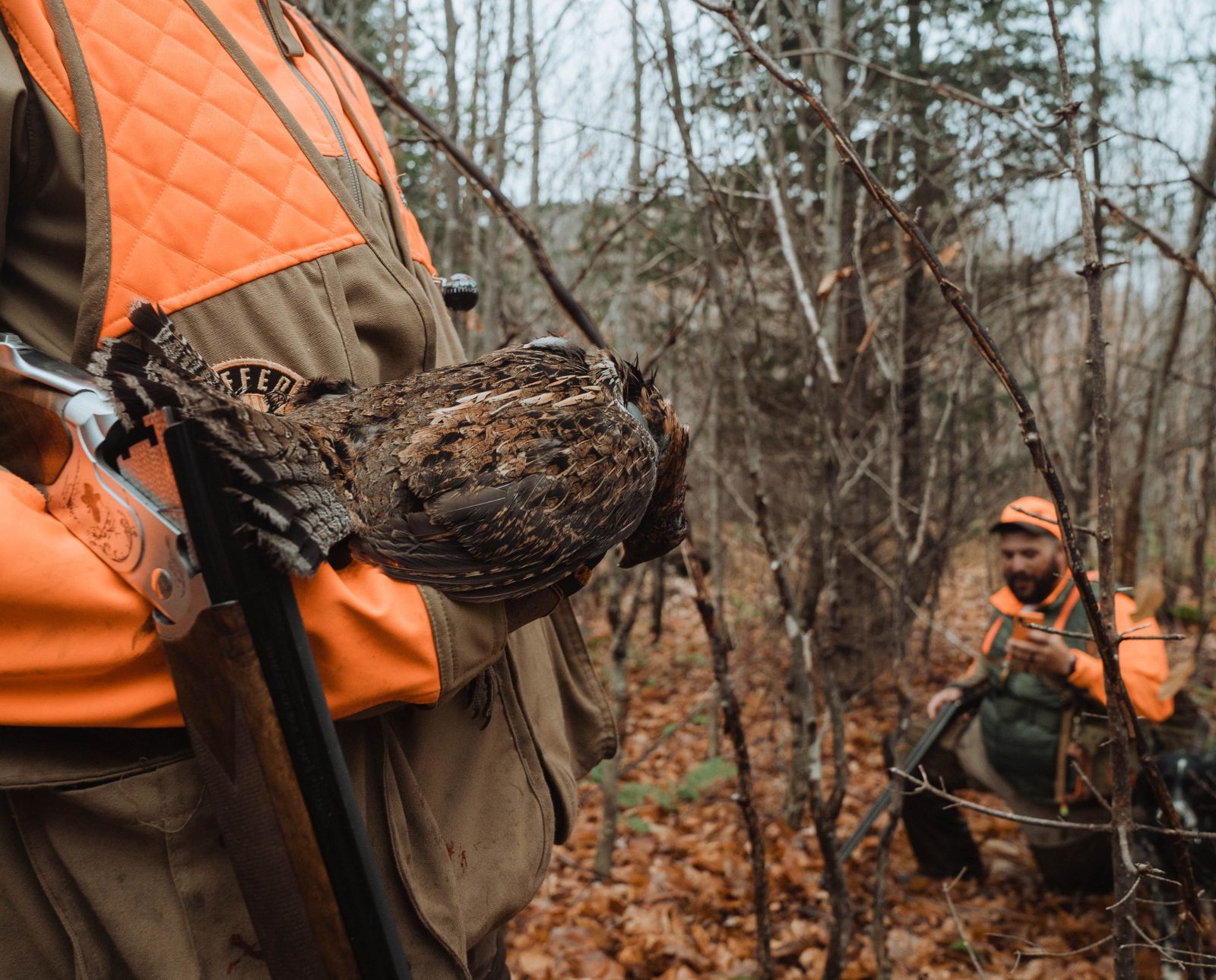
Grouse, squirrel, rabbit, and hare hunting develop patience, woodsmanship, awareness, and other skills that build better big game hunters
Hunters often say that the best deer, bear, and elk hunters started by chasing rabbits, squirrels, and upland birds. At first glance, the connection isn’t obvious. How could hunting small game prepare someone for pursuing big game? After years of hunting both, I’ve realized the lessons in patience, stillness, woodsmanship, and awareness learned while hunting small game translate directly to success on big game hunts.
How Small Game Hunting Builds Teamwork and Communication Skills
Small game hunting taught me a whole lot about teamwork. Teamwork doesn’t play into big game hunting if you usually hunt alone, but for me, I am usually with a hunting partner. It goes without saying that when you’re hunting with someone else, communication is a key factor in conducting a hunt. It might also go without saying that communication is a skill many of us lack.
A lot of my hunts during my formative years were conducting drives for snowshoe hares. Hare drives usually involve multiple hunters evenly spread out in a line through dense brush. On these hunts, communication was key to prevent group members from straying too far in front or behind the rest of the drive. Additionally, it was extremely important to make sure that anyone who was about to take a shot on a fleeing hare wasn’t going to shoot in the direction of another hunter.
Read: How to Hunt Cottontail Rabbits: Still Hunting, Rabbit Drives, and Hunting with Dogs
In the world of hunting big game, communication came in handy while hunting with my brother for black bears in Canada’s boreal forest. We communicated exactly what we each planned to do, how we wanted to do it, and came to many collective agreements that worked for both of us. In the end, it may have been a factor in putting a couple hundred pounds of bear meat in our freezers, too.
How Small Game Hunting Develops Patience
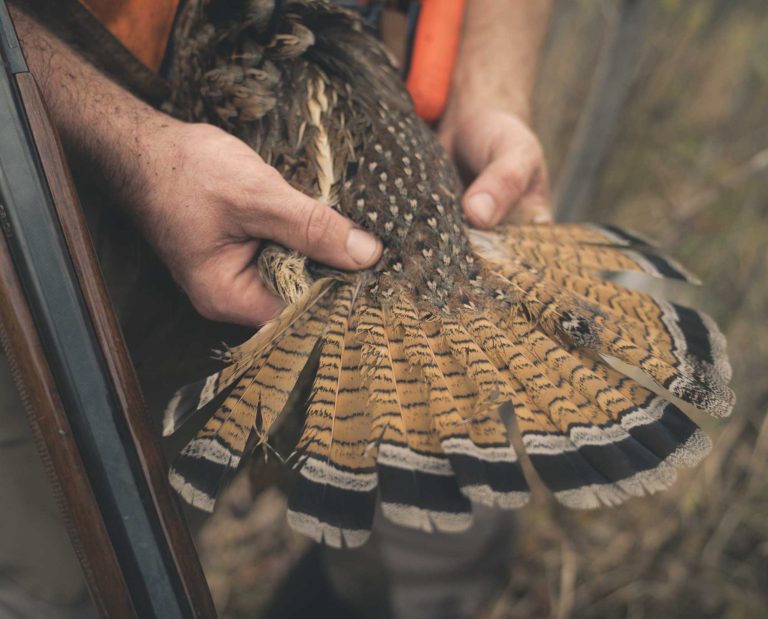
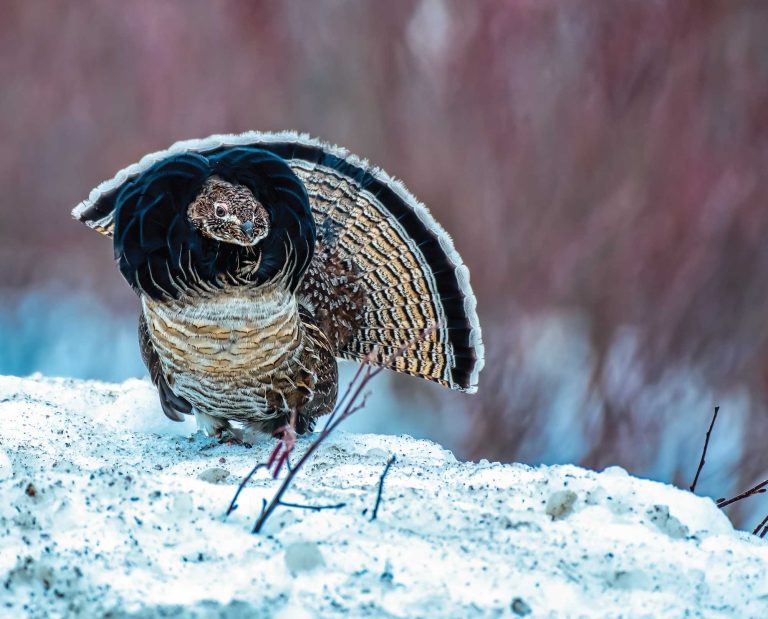
Without my small game hunting experience, I believe there is no way that I could have gained the patience in the field that I now wield. Ruffed grouse hunting helped me develop my patience. In the region where I hunt them, it often requires covering miles of ground and a blind faith that the birds actually exist. You have to want to find them badly enough to undergo hunts where the birds simply never really materialize. That built a strong foundation of patience because, if nothing else, those birds would test my low level of pre-existing patience every single hunt.
But then again, so did hunting late season squirrels. Those hunts required stillness and precision with a scoped .22 rifle because if those squirrels caught a whiff of any movement at all, they were gone. And once they were gone, it was all over as far as the hunt was concerned.
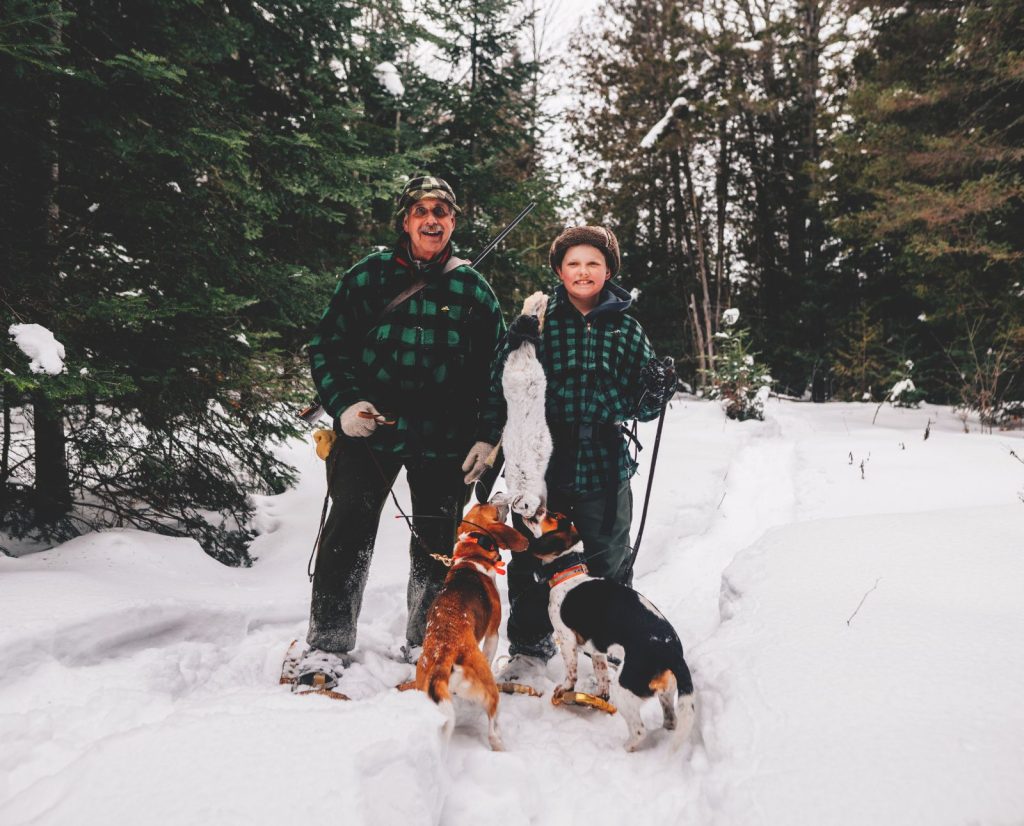
In fact, it wasn’t until I started stand hunting cottontails and snowshoe hares that I noticed that my patience had improved more than I had ever realized. Stand hunting involves a hunter setting up near impenetrable cover where a rabbit or hare would never leave unless it was absolutely necessary. Because rabbits and hares often use the same routes to enter and exit this cover, all a hunter with a rimfire rifle has to do is get comfortable and wait. This strategy usually results in a rabbit or two. Although many folks might believe it’s not worth the wait, to have the patience to stick with it is a cause for celebration.
Read: A Complete Guide to Late Season Snowshoe Hare Hunting
Patience is also required for spot and stalk hunting, especially if you are making a play on a big game species that you’ve located some distance away. This is how I hunt for black bears. If there is one thing that has taught me when to move and when not to move, it’s been hunting ruffed grouse. In my hunting area, we hear a lot of male grouse drumming back in the cedar thickets. If anything will test your ability to stalk your quarry, it’s trying to get within shooting distance of a drumming grouse. I encourage you to try it; there is nothing remotely easy about it, and if you can sneak up on one, you’re well on your way to being able to stalk a big game animal.
How Small Game Hunting Sharpens Awareness and Observation Skills
Developing a sense of heightened awareness wasn’t something that I was aware that I was doing until recently. I attribute this skill, again, to hunting squirrels and, to a lesser extent, turkeys.
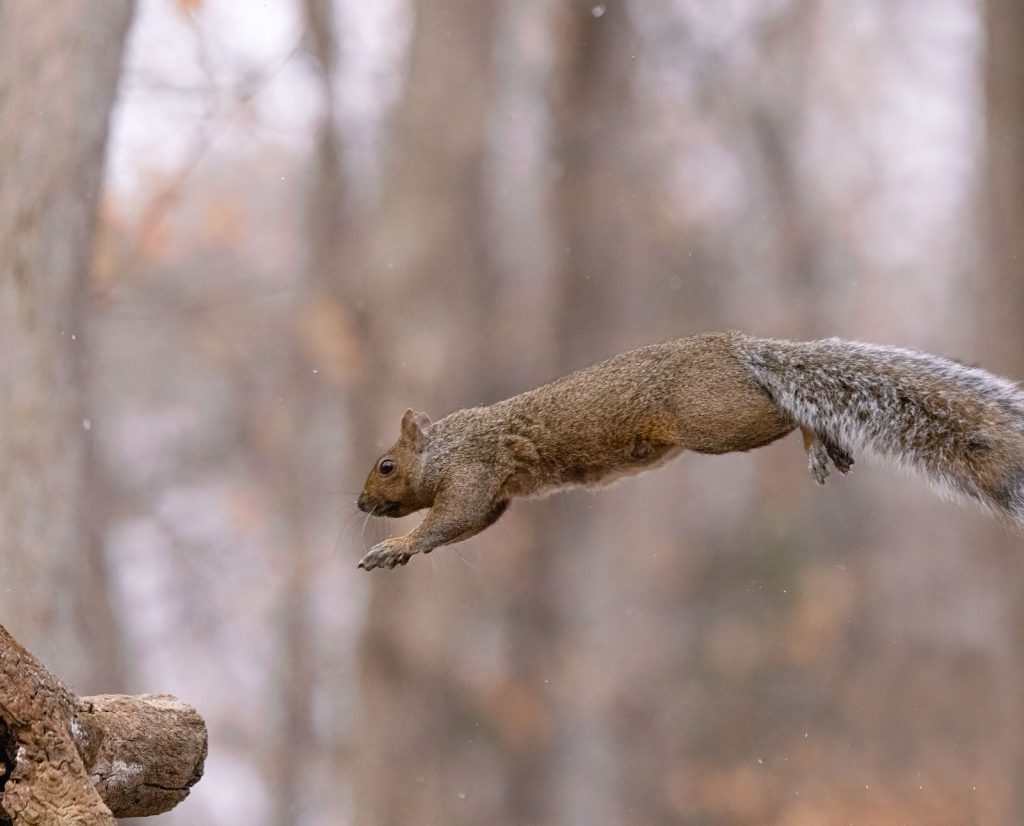
Most of my early season squirrel hunting involves moving slowly through mixed woods and listening for movement above me and on the ground. A squirrel hunter has to be completely in tune with what is going on around them during the early season because it’s possible to tell the difference between the sounds of foraging grey squirrels and the sounds of other similar animals, like pine squirrels and chipmunks.
This sort of thing came in handy while deer hunting because the sound of a squirrel moving through leaf litter is much different than the sound of a deer walking through the same thing. However, it might be difficult to tell the difference at first if you’re not aware of the subtleties between the two. Grey squirrels, especially young ones, can be exceptionally loud, so much so that they can give the impression of being much larger than they actually are. Still, they do not sound like a traveling whitetail.
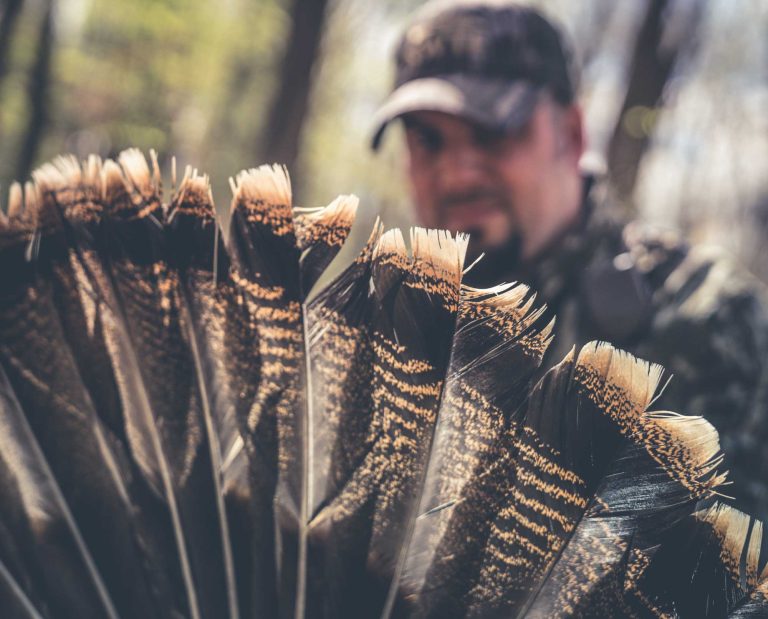
Hunting wild turkeys in the spring also taught me to pick up on very minute subtleties in sounds around me. The turkeys that I hunt don’t seem to be as vocal as turkeys in other areas—I chalk this up to the increased presence of predators willing to make a meal out of a yappy tom. Instead, they will come into a setup like phantoms, making a barely audible spitting sound to announce their arrival. If there’s any kind of breeze, you’ll never hear it. However, if it’s one of those dead calm spring mornings, that soft spit might be the only warning I get that a big bird is within shooting distance.
The same can be said about hunting for species like snowshoe hares on your own, too. You may get a shot on these masters of seclusion by noticing something as subtle as sunlight reflecting through the ear, marble black eyes, or the twitch of an ear on an otherwise motionless hare. However, to do so, you have to be really in tune to what is going on around you. Take your time as you pick your way through ideal cover. I’ve shot snowshoe hares that had let two other hunters walk right past them at a distance that, if they had noticed, they could have killed it by tossing a rock at it. Ruffed grouse will sometimes do this same exact thing, too.
How Small Game Hunting Develops Woodsmanship Skills
All of these little lessons I had picked up from hunting rabbits, squirrels, grouse, and hares have a name: woodsmanship. It’s a term that gets thrown around a lot, but at its core, woodsmanship is simply the ability to understand the woods and the animals that live there. Being a competent woodsman only comes from spending time afield and paying attention.
Small game hunting forces you to do exactly that. You begin to notice how a rabbit might prefer one brush pile over another, how changes in the weather impact wildlife movements, or how a grouse chooses to spend the morning. Before long, you stop aimlessly wandering through the woods, hoping to stumble into game. Instead, you start moving with purpose because the landscape tells you where animals should be.
I’ve found that woodsmanship translates directly to hunting big game. Black bears use terrain differently than snowshoe hares, and whitetails aren’t ruffed grouse, but every species leaves clues behind. Learning to recognize tracks, signs of browsing, heavily used travel corridors, fresh sign, and subtle changes in habitat is easier when you’ve spent countless days chasing small game, simply because you encounter so many more opportunities to test your observations.
How Small Game Hunting Teaches Stillness
Remaining still is easier for some folks than it is for others. Admittedly, I am someone who has a difficult time holding tight for a long period of time, especially in a tree stand. That said, the struggle has gotten better as I practice stillness, which, by the way, is the best camouflage you can have for several small game species.
Stillness was something that I gained while snowshoe hare hunting. I would sit against the base of a hemlock or spruce where a trail clearly indicated that a hare was traveling in and out of an awful mess of blowdowns. Rather than crawling through the deadfall, spooking every hare around, I would just wait for the hare to come out. The reason for maintaining that stillness is because in early evening before a hare ventures out into more open terrain to feed, they will move up to the edge of cover while remaining hidden from the naked eye. I’m not sure if they’re trying to catch the last of the days’ sun or if they do it to scout for potential danger, but if they see you moving, they will not come out until you’ve left or until darkness completely consumes the landscape. This behavior often meant that I would be sitting outside for over an hour in subzero conditions, without moving much at all. And you know what? This strategy works more often than it doesn’t.
Stillness came in handy for another cold weather pursuit that I love: coyote hunting. When you’re calling in one or more coyotes, remaining completely still is imperative. You have to assume that you’re being watched at all times because there’s a good chance that you are as soon as you start calling. Fiddling around with gear and firearms is, generally speaking, the worst thing that you can do immediately after the calling begins.
Every Big Game Hunter Should Hunt Small Game
When I look back on how many years I’d spent hunting small game before taking big game hunting seriously, I can see why my transition was perhaps a little more smooth than it might be to someone who is brand new to hunting. The fact I had far more opportunities to regularly hunt small game than big game only amplifies this, at least in my opinion. Regardless, anyone who wants to dive into big game hunting but hasn’t yet or wants to become a better big game hunter, spend some time honing the skills big game hunting requires and do so on the ample opportunities that small game hunting provides.