


What Hunting Camps Teach Us About Heritage, Stewardship, and Mentorship
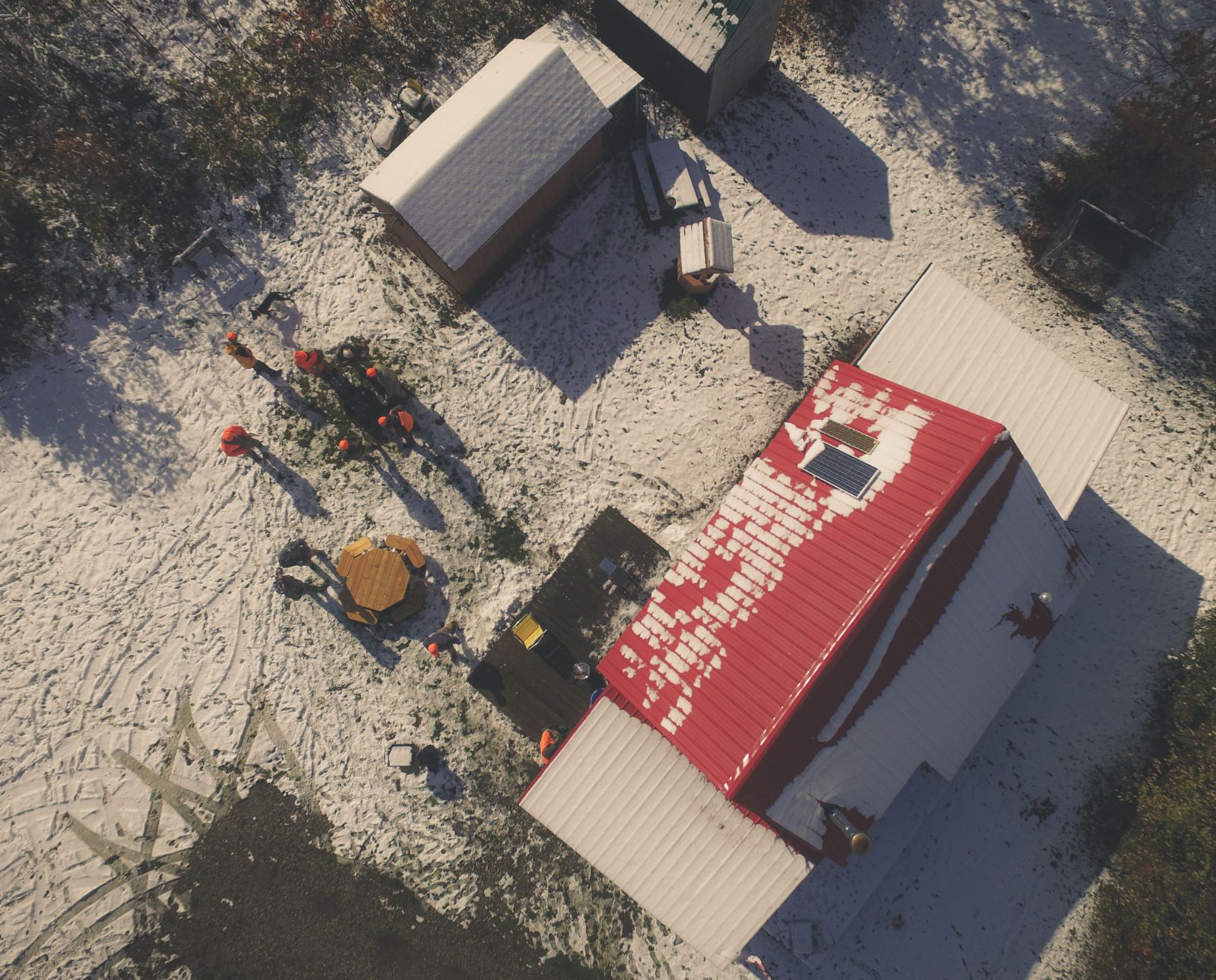
A reflection on hunting camp traditions, stewardship, mentorship, and the outdoor heritage passed between generations
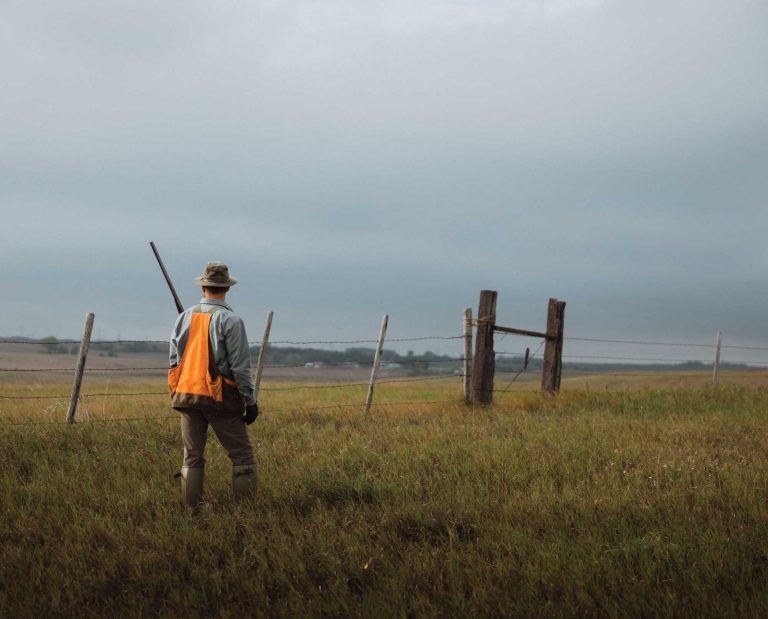
Jack was the first member of the hunting camp I met besides Dominic. In his seventies, he had become as much a part of the place as the exposed rough-hewn timber rafters, some of the last remnants of the original material used to build the cabin. He always sat in his favorite chair beside an empty one where his best friend and fellow camp member had sat before he passed away. After a while, I took to sitting in that empty chair and slowly began peeling back the layers of this hunting veteran’s persona.
On the surface, he was tough and rough, still holding strong like those original timber beams. His physical strength belied his age. He was quiet and did not speak to me much at first. It took many days of hunting together before we became comfortable with one another. Then I found beneath those layers a caring, kind, even playful and humorous old friend. As I came to learn, he also carried the kind of knowledge about the forest that only years of experience and hunting camp traditions could earn.
I had already known Dominic for years, though not very well. A longtime friend of my in-laws, he was a bit younger than Jack but still twenty years my senior. Selflessly, he began mentoring me as a new hunter even before my first trip with him to camp. Not only was he patient and supportive while teaching me the basics, but he also lent me gear, shared his favorite public land spots, and gave me access to private land hunting permissions he had been cultivating for years. I would not have been able to transition my lifestyle into the outdoor enthusiast I am today without Dom.
Over the years, he has become more than a mentor. Our journeys together have taken us to faraway places and on trips neither of us will ever forget.
The Legacy of Hunting Camp
The history of the club these two welcomed me into stretches back nearly one hundred years. It was born during the era of the Pittman-Robertson Act, a time marked by a resurgence in wildlife populations and new ideas surrounding conservation, public land use, and wildlife management. The founding members enjoyed abundant numbers of whitetail deer, ruffed grouse, and other game species. Many of those populations surged following widespread logging clear-cuts and the early successional growth that created exceptional habitat for wildlife.
The members built a cabin on public land deep within the state forest, leasing the site from the state itself. The founding members, along with those of similar clubs that emerged during the same era, became the forebears of what would grow into a defining part of American sporting culture: the hunting camp tradition.
Read: The Elusive Legacy of Pennsylvania’s Sawtimber
Yet there was nothing entirely new about it. Hunters across the world have gathered at camps on ancestral hunting grounds for millennia. The hunters of the early twentieth century were simply adapting that time-honored tradition to fit a more modern American life.
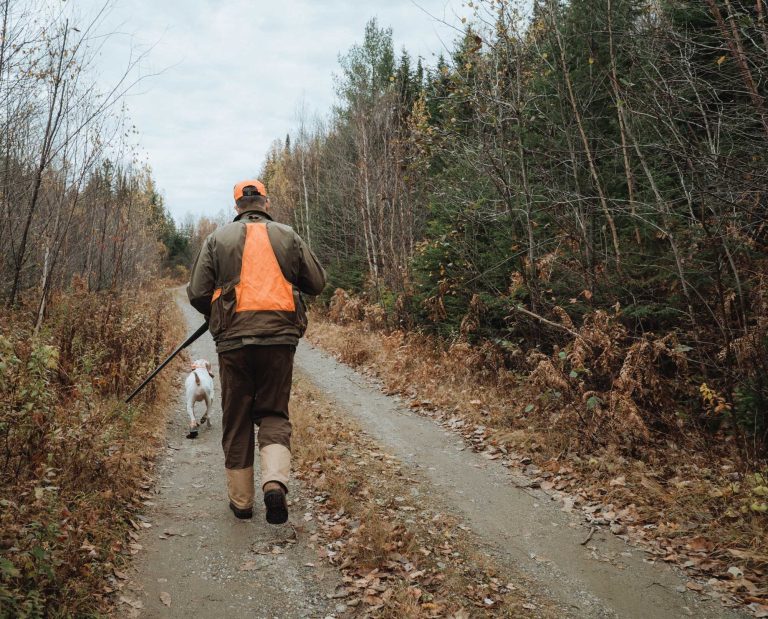
Over the decades, the members of our camp witnessed dramatic fluctuations in game populations and constant changes to the surrounding mountains and forests. Through it all, knowledge and experience were passed down from one generation to the next around camp tables, woodstoves, and hunting spots. Along with that knowledge came a deep sense of stewardship, a rooted investment in the land, and a shared responsibility for the wildlife that sustained both the hunting and the culture surrounding it.
Like hunting cultures throughout history, those traditions became an inheritance passed quietly from one generation to the next.
A Generation at Risk of Losing Tradition
A new question has now arisen, though: Will there be another generation to inherit this legacy? By some measure, one other member in his forties and I are currently the youngest members of the camp. Although the sporting community experienced a surge in recruitment during the COVID pandemic, there remains real concern about retaining many of these new outdoorsmen and women.
Much of the recent influx into hunting culture has come through DIY participation, with people venturing out alone or in small groups inspired by sporting personalities they follow on television, YouTube, and social media. While that enthusiasm is encouraging, one challenge with this kind of recruitment and retention is that many newcomers never become connected to a collective of seasoned elders from whom they can learn and build lasting relationships.
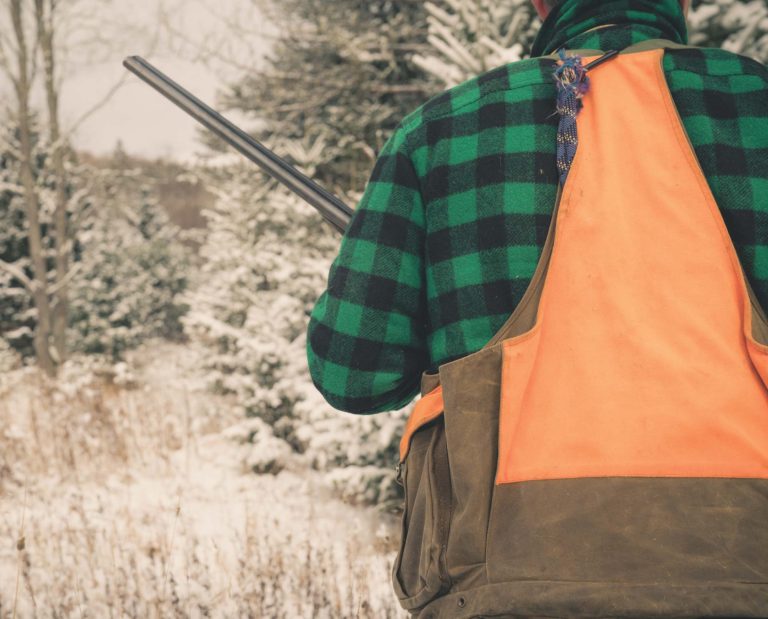
Spending long weekends with Dominic and Jack, especially during turkey season, has become one of my favorite traditions each year. I am constantly amazed by how many small lessons I absorb during conversations over meals or while relaxing at the end of the day. The passing down of hunting camp traditions and generational knowledge can be easy to overlook because it often arrives in small, almost forgettable observations spoken in passing.
From a distance, time spent with hunting camp old timers may seem uninspired compared to the flashy, highly marketed outdoor celebrity culture constantly pushed across our screens. But sharing a meal, a hunt, or a back-porch beer with authentic camp elders can teach us more about outdoor heritage, stewardship, and hunting culture than modern media personalities ever could.
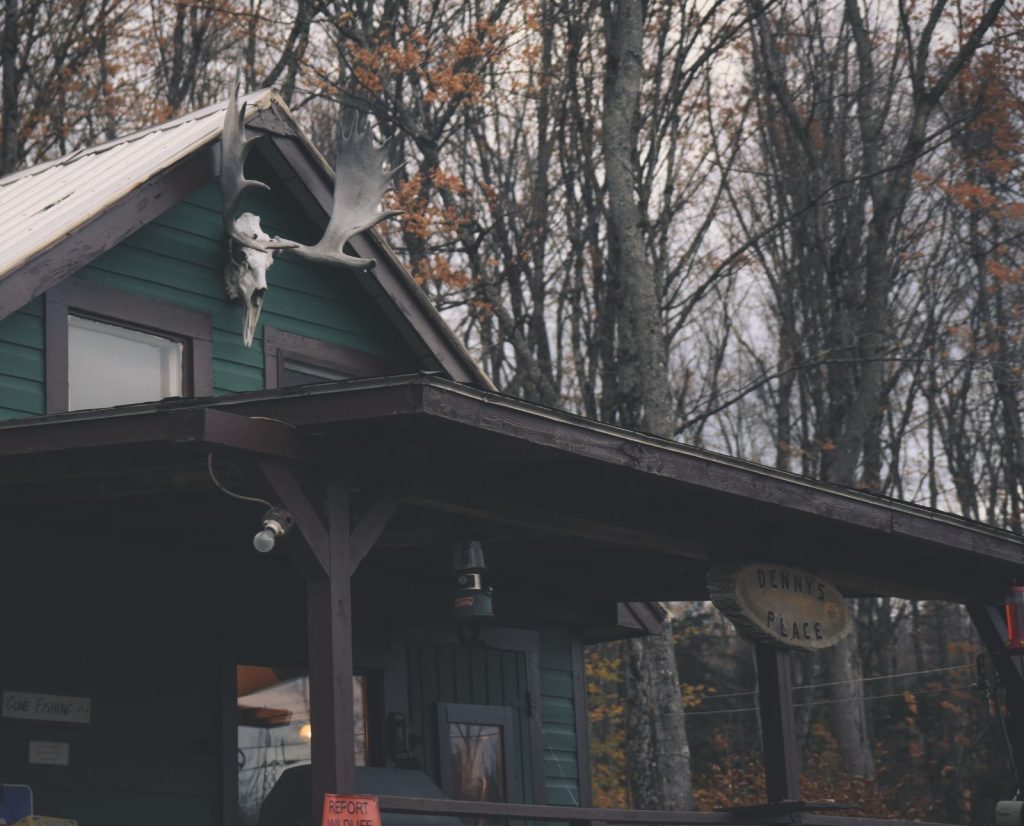
Searching for Ramps in the Pennsylvania Mountains
It was the first weekend in May, and Dominic, Jack, and I were at camp hunting spring gobblers. At the time, Pennsylvania Game Commission regulations still forbade Sunday hunting. We usually found ways to stay busy with maintenance projects around camp while we waited for Monday morning to arrive.
That Sunday afternoon, we had just finished clearing the yard of the winter’s stockpile of leaves. A light rain had fallen earlier in the day, and the night before had brought a hard soaking rain. But now the clouds were beginning to break, suggesting a fine evening ahead.
“You guys ever heard of ramps?” I asked as we sat on the porch.
“Huh?” Jack replied.
“Ramps,” I said louder. “Wild leeks?”
“Sure, I’ve heard of ’em. What about ’em?”
“Just wondering if you ever picked them.”
“Sure, back in the day. Been a while, though.”
“I was thinking about going to look for some down by the creek.”
“I know a spot,” Jack said. “We used to pick ’em down there. It’s a ways off Six-Mile.”
“Can you show me?” I asked enthusiastically.
Wild Leeks in Pennsylvania
Often known throughout Appalachia as wild leeks, ramps are a foraged plant cherished by mountain folk since time immemorial. Known to science as Allium tricoccum, they are among the first green foods of the forest to emerge in spring. Long before grocery stores offered year-round produce, people eagerly searched the woods for these early seasonal offerings.
Ramps grow on forested hillsides near waterways where the soil remains both moist and well-drained. They thrive in the brief window of increased sunlight that reaches the forest floor before the canopy above fully leafs out. As summer progresses, the plants lose their vibrant green leaves and eventually send up a cluster of white flowers atop a single bare stem. By then, the once richly flavored bulb has become tough and bitter.
Their foraging season is remarkably short, adding to their mystique. Combined with their highly specific growing conditions and the fact that ramps can take nearly a decade to fully mature, they have never proven agriculturally practical on a large scale. As a result, they remain truly wild, hidden away in secret patches throughout the forests of Pennsylvania and much of the eastern United States.
Into the Mountains
We headed out in Dom’s pickup down the gravel road that led to a rutted dirt trail cutting through the mountain before turning onto Six-Mile Road. As we bumped along, we kept our eyes peeled for turkeys crossing the road or slipping into the woods. The creek was flowing hard from the recent rains. With the truck windows down, I could hear the rushing water as we turned onto Six-Mile, even above the churn of the engine and the crunch of gravel beneath the tires.
We drove through the forest for nearly half an hour without seeing another vehicle or person. It was a remote place. Even during spring gobbler season, very few people ventured this deep into the state forest.
“It’s a little ways up ahead, around that bend there,” Jack said from the passenger seat.
“When was the last time you were all the way down here, Jack?” I asked.
“Don’t know. Probably thirty years. Maybe more.”
“Did you used to come down this far often?”
“We were all over these mountains back in the day, Johnny. Put a lot of miles on our boots. Hiked and hunted all these woods back then…when we could.”
Read: Helping Aging Hunters: How to Go Upland Hunting with an Elderly Parent
I knew he was telling the truth. He had proven it many times before, tipping me off to forgotten corners of this forest. Across tens of thousands of acres of wild land, he still carried precise locations in his memory. Even so, the idea of finding a patch of ramps after thirty years, this far down a winding mountain road from camp, seemed almost impossible.
To our left, the mountainside rose steep and imposing, dripping with small waterfalls from the recent rain. To our right, the road fell sharply down an embankment before leveling out near the creek bottom twenty feet below.
“There, Dom. Pull over right there,” Jack said abruptly.
Dominic hit the brakes, and the truck lurched to a stop before easing slowly toward the edge of the embankment. Gravel popped and crunched beneath the tires. When he shut off the engine, the sound of rushing water filled the valley. It echoed off the steep mountainsides and drifted through the secluded hollow. Tree frogs croaked from hidden places among the branches, bark, and thick blanket of wet leaves beneath the towering hardwoods surrounding us.
It felt like an ancient place, seldom visited.

Befriend the Keepers of Knowledge
The elusive treasure we searched for reminded me of the guides who led me there. Both throwbacks to a simpler time, they point to a waning culture of land use and stewardship that is slowly disappearing. They persist, though, in the quiet places of America’s incredible landscapes. Commonly overlooked and forgotten, we tend to relegate our forebears to the chair in the corner. But if we take note, they show us how to still live close to the land and fight to preserve that distinct way of life. They are a bridge to the past, one we can learn from as we carry on that which many of us still hold in high esteem.
Grabbing the bags we brought for collecting, we began making our way down the embankment. Dominic and Jack had more trouble than I did, sliding and skidding most of the way. Their age showed on the steep incline, and a firm foothold was nearly impossible. Even before the forest floor leveled out, I could see the verdant leaves of what we had come to find. They were right where Jack had said they would be. How could I have ever doubted him?
We each filled our bags with a dozen or so pungent plants. The small white bulbs felt sticky and left our hands smelling of onion and garlic. We followed the “one-third rule,” taking care to leave at least two-thirds of the patch untouched. I am sure we left even more than that. There was an incredible amount of them growing there.
We headed back to the cabin, and Dominic grilled three beautiful steaks. I sautéed the ramps in butter with a pinch of salt. We sat at the long communal table that used to accommodate a dozen or more people back in the days when the camp was always full. We talked about our successful foraging mission and planned out our early morning turkey stalks for the next day.
Read: Wild Turkeys in Pennsylvania — A Conservation Success
The ramps were delicious. Jack ate twice as much as Dom and me combined. He enjoyed them immensely, then sat in his chair and happily fell asleep, like most nights. Dom and I talked later into the night than we should have, our full bellies and hopes of gobbling toms filling us with energy and excitement.
It all left me thinking as I finally lay in my cot trying to sleep, knowing I only had a few hours before the old analog alarm clock rang. We must not overlook these keepers of the old ways if we truly value our outdoor heritage. Like the elusive wild leek, hunting camp veterans deserve our attention and respect. They have more to offer than we often realize.
These are the wild things that persist in hidden hollows, high in the mountains, deep in the forest. If we relegate them to the back burner, or to the chair in the corner, they will eventually disappear, as will all the tradition and knowledge they carry. The world will be worse off without them.
So I say, search out the ramps, wild turkeys, and the special places they call home. Handle them and their habitats with care. Join a legacy sporting camp. Befriend the old timers there. Respect and honor it all. One day we will be the old timers, and those who went before us will be gone. By then, if we are not careful, the knowledge, the ramps, and the wild places could be gone as well.


Lovely read, thanks. Heading to our camp in ten days. Yep, I’m counting. In my mid 60’s and approaching ‘old timer’ status. So much or what you wrote rings true. Already thinking of a couple spots to search out ramps. Might be a little late, but its way north, so maybe.