

Understanding Bobwhite Quail Behavior
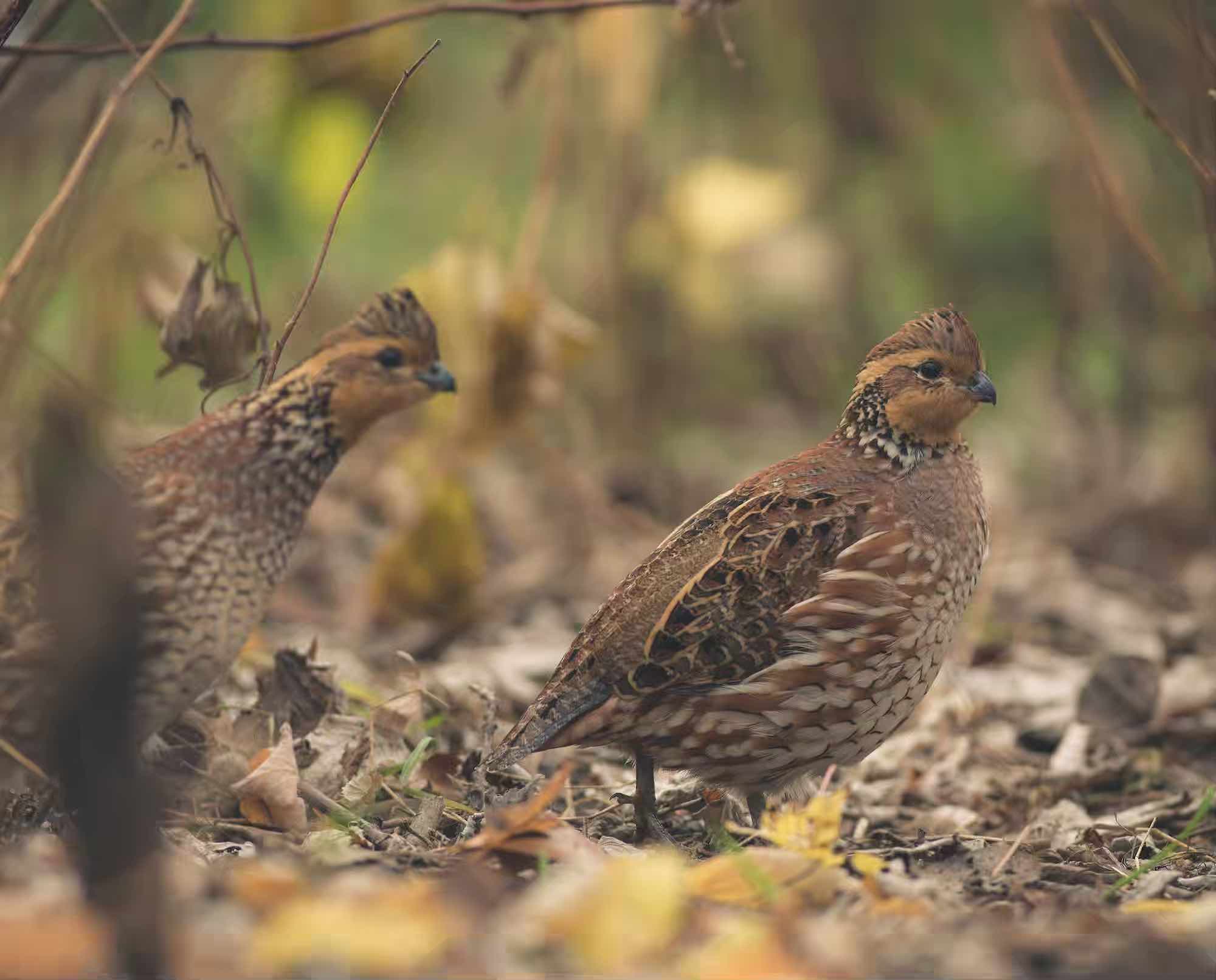
Understanding bobwhite behavior through the seasons reveals how quail move, communicate, and survive—and how hunters can use that knowledge in the field
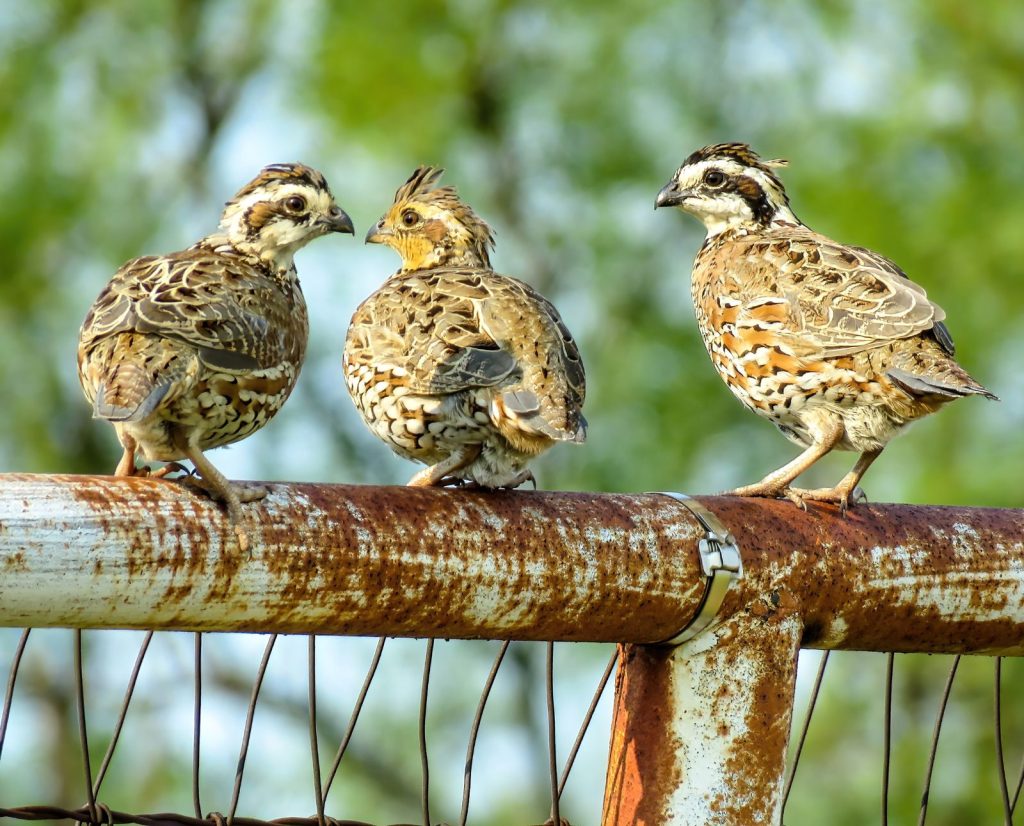
Bobwhite behavior can seem contradictory at first glance. In early summer, males perch high on fenceposts and whistle their names across the countryside, exposing themselves to predators in ways they never would later in the year. By fall, those same birds are tucked tightly into shrubby cover, slipping out only briefly to feed.
Why do bobwhite quail behave this way? The answer lies in their seasonal cycle. From spring pairing to winter survival, bobwhite behavior shifts in response to the time of year, food, cover, and pressure. Understanding those changes offers more than just insight into the bird—it gives hunters a practical edge in reading the landscape.
Bobwhite Behavior in the Spring and Summer
Let’s begin in the spring when males are calling their name across the countryside looking for a mate. First, birds break up from a covey (more on that later) sometime in mid-April. I usually hear my first tentative bob-white! calls while I’m turkey hunting. As the year moves into May and June, males are vigorously calling, and I’ve been able to call them right up to nearly my boot whistling a simple hen call; they are serious about this mating business!
Read: The Science of Bobwhite Quail Nesting Dates
Around early May, bobwhite behavior during this period reflects the urgency of reproduction. Birds start to pair up for nesting season. Both male and female quail share the duties of constructing a nest and, in some cases, both sexes incubating the nest. During our bobwhite quail research in Missouri, researcher Kyle Hedges and I found that about 25 percent of nests were incubated by males. Nesting and hatching continue throughout the summer, with broods being produced well into September.
Bobwhite Behavior in the Fall
Fall is a time of transition for bobwhites. Young-of-the-year birds often take on what we call the fall shuffle, a behavior during which genetic exchange takes place. Young birds take off and travel anywhere from a few hundred yards to several miles in order to find other quail to join. When I was tracking birds in Kansas, I had two quail that were harvested over eight miles from where I banded them. We don’t know the average distance of the fall shuffle, but quail have been noted to travel more than 20 miles from where they were banded.
After the shuffle is over, coveys begin to form. A covey is an amalgamation of birds of different ages from different lineages. While not all family members, these birds soon begin to act as one unit. That does not mean that all coveys are static. Birds from different coveys will exchange members quite frequently as they move about the landscape and encounter each other.
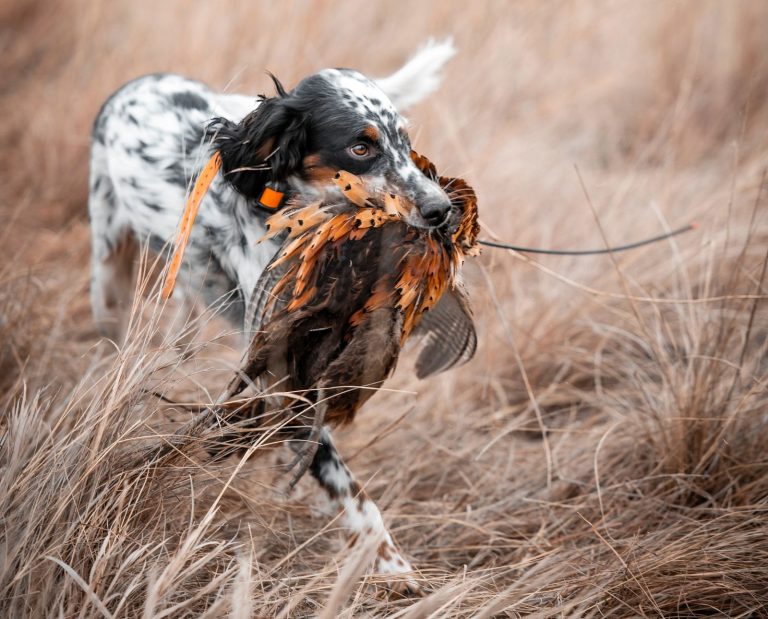
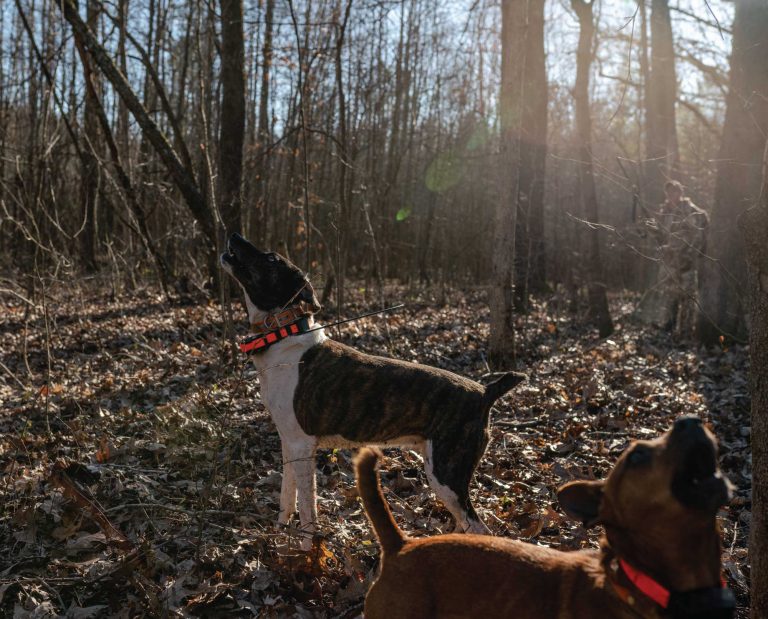
The fall is when we typically start to hunt birds. Most seasons open when birds are still trying to figure out covey dynamics and who belongs where. This means early fall bobwhite quail behavior includes whistling vigorously most mornings in November to announce their location on the landscape. This is not the familiar bobwhite call heard during the spring, but a distinctive koi-lee call on repeat right before sunrise. Savvy hunters will use this habit to get out early and see where birds are located on the landscape. It will help with the search area, often narrowing down many acres of ground to much fewer locations as the coveys give away their location.
Read: How Public Land Bobwhite Quail Shift Patterns
Fall also represents when coveys enter their typical daily routine of relying on woody cover and food. Birds that felt comfortable spending their late summer days hanging out in open fields now sense the lack of vegetation around them, and their behavior changes. Bobwhites move to areas with heavier thickets of shrubs or other woody cover. Their diet changes, too. Summer was full of insects, which helped young birds to grow quickly and develop strong flight feathers. The food now is mostly seeds from weedy species like ragweed, desmodium, sunflower, croton, and a wide range of other seeds, including waste grains from farming operations. During this period, look for bobwhites where there is good interspersion of weedy fields and woody cover. Times are still easy for bobwhites in terms of temperature, so they may be using woody cover that might seem too thin at first, but if it has good interspersion of weedy cover, birds will usually be close by.
Bobwhite Behavior in the Winter
Winter is the toughest period for bobs, but it can bring with it the best bobwhite quail hunting of the season. As weedy fields get knocked down by snow cover, bobwhite behavior changes. They shift to the heaviest woody cover they can find near these weedy fields, which still carry a significant amount of food. Birds will also gravitate to a mix of woody and herbaceous cover near agricultural fields where waste grain becomes the food of choice.
Birds whistle very infrequently during this time of year as they have their covey dynamics pretty well sorted out. Don’t waste any time getting up really early for the koi-lee call. Instead, give the birds some time to move around and lay some scent on the ground.
One of the most frustrating times I had as a young bird hunter was hunting with my dad and much older cousin. Dad and I would drive 1.5 hours to get to my cousin’s house, where I was eager to begin our hunt. Invariably, though, they’d sit around drinking coffee until 10:00 am, encouraging me to be patient and that they were letting the birds move around a bit after a cold night. Bobs tend to stay in the roost a little longer on bitterly cold mornings, so their admonishment was sound. It should be—they grew up in the halcyon days of bobwhite hunting, and have probably harvested more quail than I have ever seen!
Applying Bobwhite Behavior Insights to Hunting
This concludes our short tour of bobwhite behavior throughout the seasons. I hope it brings a fresh understanding of what goes on in a quail’s life from one spring to the next, and that you’ve picked up a few useful tips for hunting bobwhites along the way. Understanding bobwhite behavior is valuable knowledge, but putting that understanding to use in the field is even sweeter.