

Fall Turkey Hunting in the United States
Once a cornerstone of American hunting culture, fall turkey hunting offers a rich history and modern opportunities for today’s hunters and their dogs
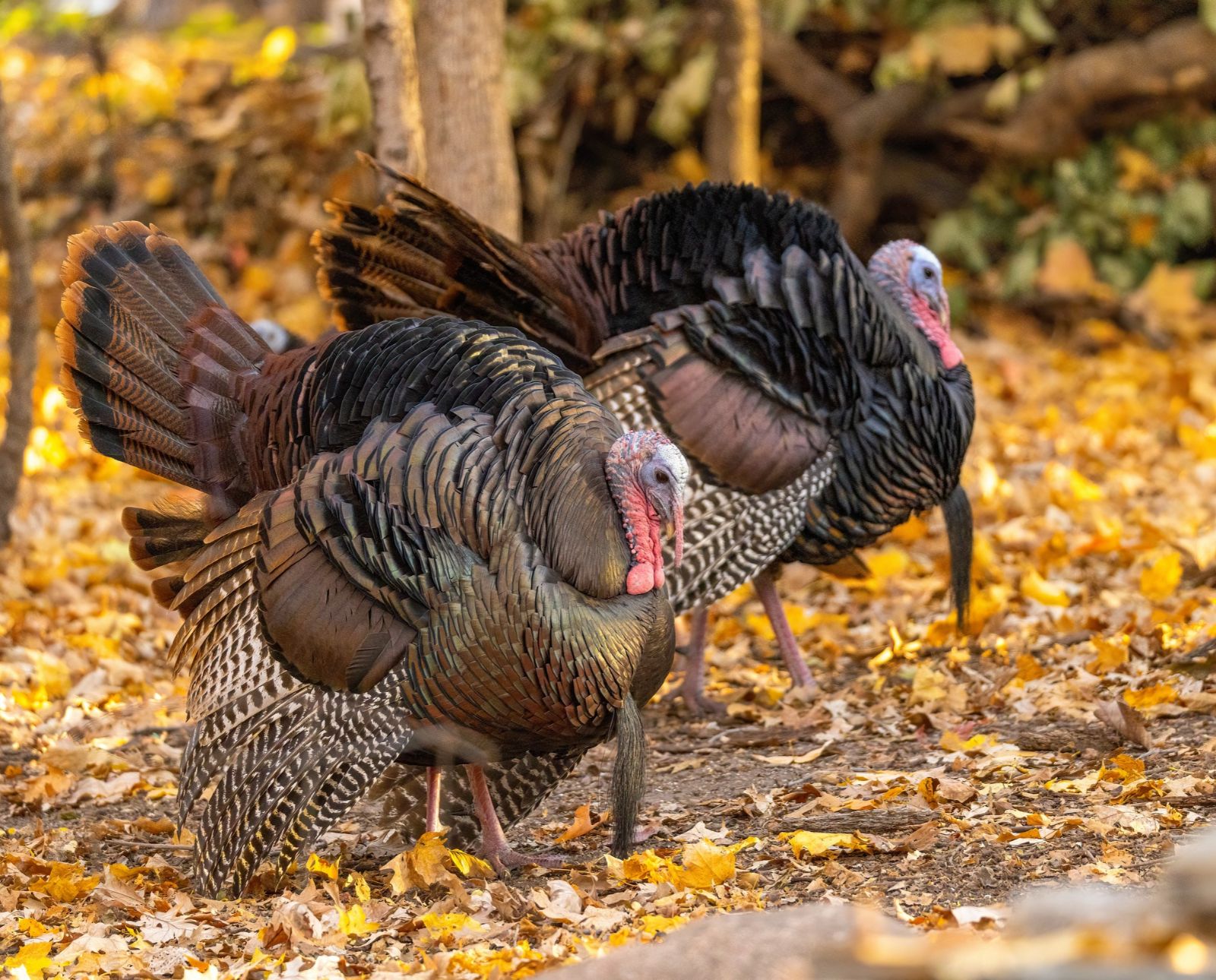
It’s never too early to think about turkeys. November may be the time of year that brings the wild turkey back into the minds of the American public, but it’s not just Thanksgiving that makes this season important. Fall turkey hunting is a practice both steeped in tradition and full of challenges and learning curves for today’s turkey hunters.
The History of Fall Turkey Hunting
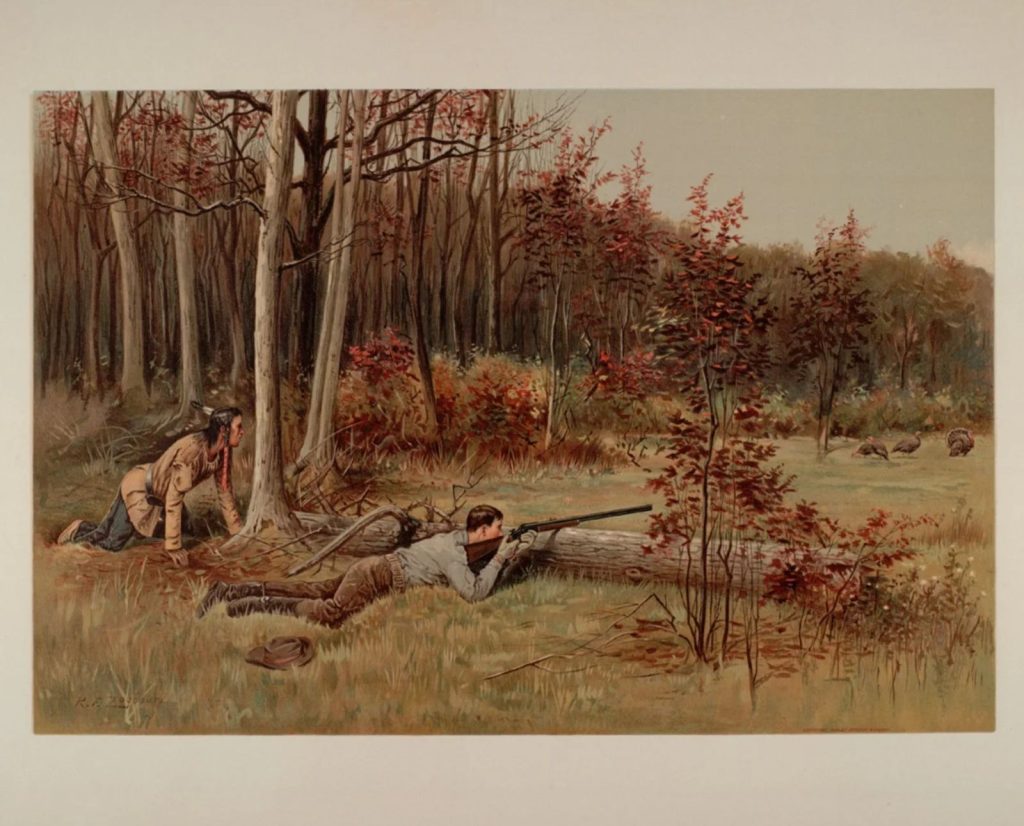
Today, turkey hunting brings to mind scenes of warming spring mornings and the thrill of calling in a gobbler. But the experience of a hunter before the late 1800s, when turkey were first abundant, would have consisted of both those exciting spring mornings and chilly autumn stakeouts, taking equal advantage of both fall and spring seasons to harvest a bird.
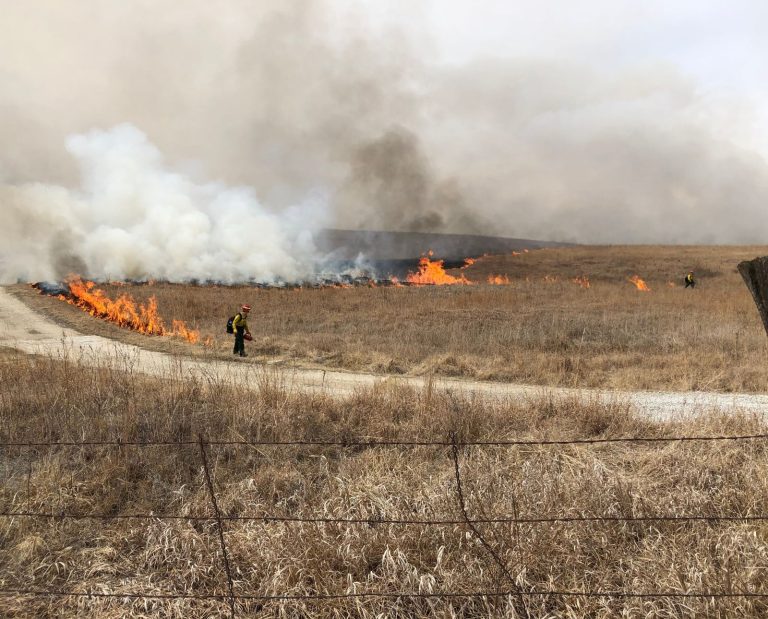
Indigenous people and wild turkeys, both endemic to North America, have an extensive history of harvest and sustainable management that spans both seasons and centuries. From the Great Plains to the Southeast, prescribed burning was used in the fall months to regenerate early successional habitat that turkeys thrive in, and to disrupt flocks and flush them towards waiting hunters. For Native Americans, turkeys provide more than simply sustenance: their feathers, wings and bones were fashioned into goods like decoy calls, arrow tips, applicators for medicine, clothes, and jewelry. This relationship is integral to cultural practices and religious ceremonies as well. The Turkey Dance of the Caddo people is an amazing example of how traditions have carried the significance of the wild turkey through the years.
The experience of turkey hunting by early colonists from the 1600s through the 1800s were chronicled by Albert Hazen Wright in a five part essay installment titled “Early Records of the Wild Turkey.” In it, he makes various mentions of the wonders of fall turkeys, from accounts of wild turkeys in Mississippi so fattened by chestnuts and acorns that “some of those killed at this season weigh thirty-five or fourty pounds,” to accounts of Native Americans selling turkeys which were “best in the fall of the year.” When spring was considered prime time for planting and preparing fields for agriculture, settlers opted to hunt turkeys in the autumn. Accounts of Revolutionary War Captain Robert Behnham, injured and left in the woods of what would become Kentucky in the fall of 1779, details strategies similar to what hunters employ today: “wild turkeys were abundant in those woods, and his companion would walk around and drive them towards Benham, who seldom failed to kill two or three of each.” For all those building a life in North America, turkeys were a vital means of survival.
Reading these tales of abundance, knowing the collapse of the species yet to come, leaves one with an eerie sense of premonition. An article from 1820 by C. Walker details this, recalling “in the fall season [they] killed ‘turkeys beyond count for the winter stock.'” This type of year-round, unmitigated harvest led to the decimation of the species in the United States, and local extinction of wild turkeys from 18 states by the early 1900s.
The Role of Fall Turkey Hunting in Conservation
Aggressive conservation action, relocation of birds along their native range, and the founding of the National Wild Turkey Federation in 1973 has helped bring the species back from the brink of extinction. From as few as 200,000 birds left in the 1930s, we now have an estimated population of over 6.5 million. As turkey numbers have increased, the turkey hunting culture has changed dramatically, and hunting regulations have adapted to manage modern populations.
In the early years of tightening restrictions in response to scarcity, many agencies opted to close spring hunting seasons, as it was considered the turkey’s most vulnerable time. In the 1970s, as the population recovered, a new generation of hunters began to discover the joys of turkey hunting. The explosion of media and resources which accompanied this renewal focused on the calling techniques of a spring hunt, and the once-major fall season declined in popularity. Today, the fall season provides a secondary opportunity for harvest in places where populations are strong enough to support the greater pressure. In the fall, hunters have the chance to take both hens and toms, as opposed to the spring season that limits take to gobblers only. Turkey populations are more sensitive to this kind of either-sex harvest, and excessive take of hens, jakes, and jennies can contribute to long-term declines. However, if fall harvest remains between 5 to 10% of the total population, it is unlikely to see negative impacts. In densely populated areas where introduced birds have grown to such numbers as to become a “nuisance” species to agriculture, fall seasons may help manage depredation.
Read: Wild Turkeys in Pennsylvania: A Conservation Success
In recent years, turkey populations have begun to show declines, largely attributed to habitat loss. To better manage these declines, wildlife agencies can use spring harvest success to inform fall season regulations. If hunters achieve a target spring harvest number for enough consecutive years, it indicates that turkey populations in that area are large enough to withstand the increased pressure of a fall season. Biologists can also alter the length and timing of season dates in areas where the number of hunters are not regulated by a permit system to influence hunting pressure.
Fall Turkey Hunting with Dogs
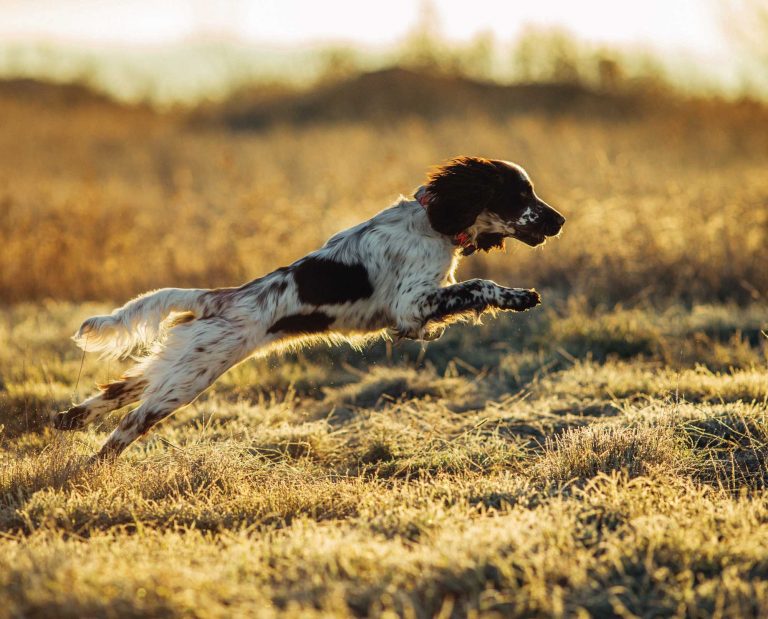
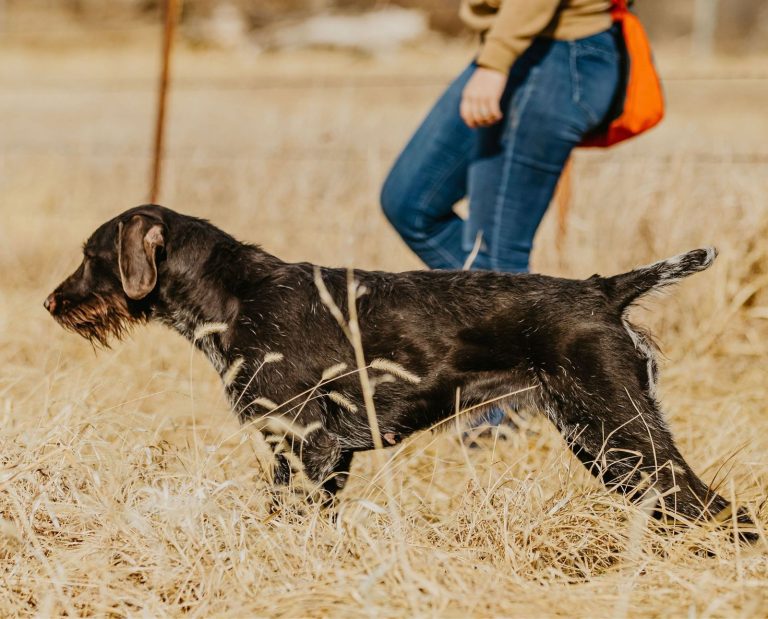
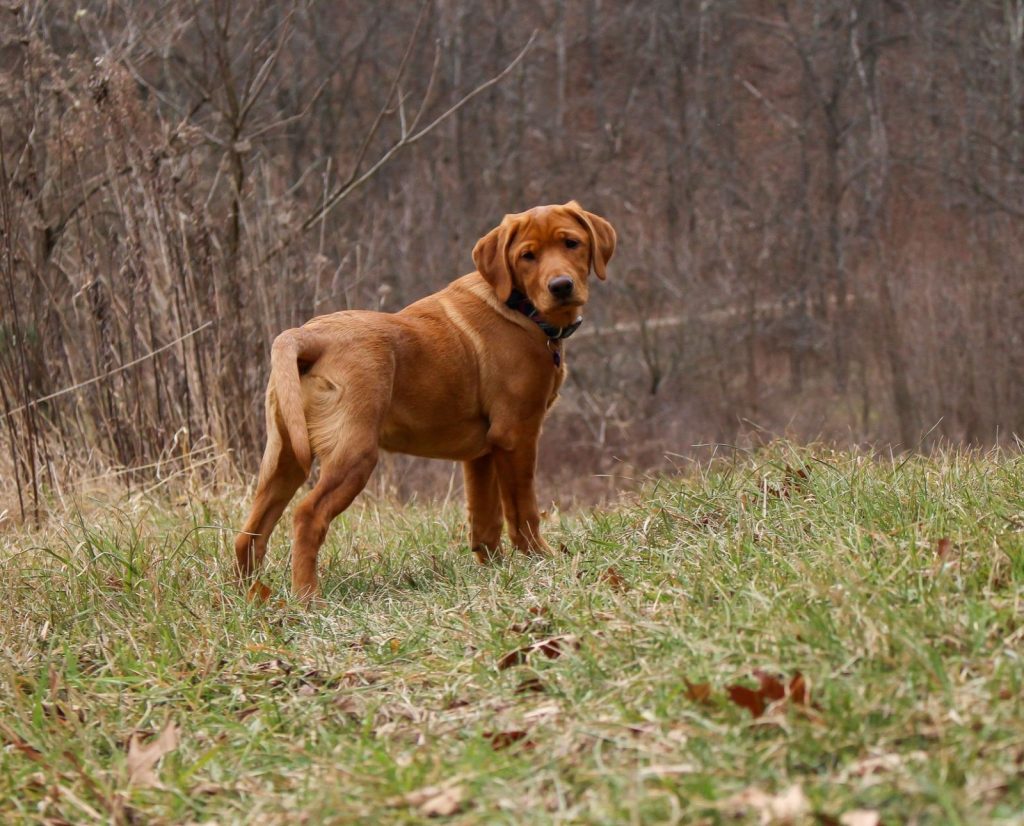
Dogs have been used to hunt turkeys since the earliest days of fall hunts. They both aid the hunter in locating flocks in a season when sound cannot be used as reliably to locate birds, and scatter flocks with the determination to ensure a full flush. Before bringing your dog out on an October day, hunters should check local regulations to ensure the use of dogs for turkey hunting is legal in their area: currently, only 29 out of the 40 states that permit fall turkey hunting also allow the use of dogs.
The most important characteristics in a good turkey dog are the drive to hunt, willingness to bark, and the control to sit quietly in the aftermath. A wide variety of breeds can fit the bill, from English Setters to Brittanys to Labrador Retrievers and Beagles. The Boykin Spaniel is a flushing and retrieving dog bred in South Carolina specifically for waterfowl and wild turkey. Crosses have also been bred by avid turkey hunters. The Appalachian Turkey Dog, bred by John Byrne in Virginia in the 1970s, is a cross between English Setter, Pointer, and Plott Hound. Most turkey dogs have the disposition to work multiple kinds of upland game, and often pull double duty as house dogs.
Why Hunters Should Consider Fall Turkey Hunting
Between larger crowds and private land limitations, spring turkey hunting can often get too crowded for comfort. While finding birds may be more difficult in the fall (flocks will travel up to 400 acres in pursuit of food), once you get on a flock, the chances of being the lone hunter calling a bird or having a shot uncrowded by others are far greater.
In many areas, the fall turkey season overlaps with big game seasons as well. Reported harvests are substantially increased when there is the chance for opportunistic take of turkey while hunting other species. So if you’re an equal opportunist in a state with overlapping seasons, it may be worth picking up a tag to maximize your time in the woods.
Finally, for those hunters frustrated every spring by tom-hen ratios and henned-up toms, fall is the chance to expand your sights. Hunters can target hens and jakes by infiltrating a roost in the early morning or scattering a flock. For those who are still seeking out gobblers, flocks of bachelors can be goaded into approaching with drawn-out yelps or angry purrs. Although more technically challenging, there’s ample opportunity to bag a decent size bird in the fall, no matter your preference.