

Pheasant Hunting Tactics for Early, Mid, and Late Season
Understanding how pheasants adapt to hunting pressure, food sources, and changing cover can help you find more roosters all season long
Opening day of pheasant season is practically a holiday in many upland hunting communities. Hunters flock to pheasant country hoping to fill their game bags with ringnecks, but as the season wears on, many put away their shotguns in favor of other fall and winter pursuits. Those who quit early, however, are missing some of the best pheasant hunting of the year.
Successful pheasant hunting requires different tactics as the season progresses. Early-season birds may be scattered across grasslands and harvested grain fields, while pressured mid-season roosters become increasingly difficult to approach. By late season, snow, cold, and shrinking habitat often push pheasants into the heaviest available cover. Understanding these changes—and adjusting how and where you hunt—can lead to more birds in the bag from opening day through the final weeks of winter.
Early Season Pheasant Hunting: Finding Birds Near Food and Grass Cover
The early season is when hunters can find the largest numbers of birds with lots of young, naïve pheasants in the field. Birds during this period are generally scattered throughout the landscape as food availability is high and weather conditions are at their most favorable. This means that many different cover types will hold pheasants and produce good hunting.
One of the most heavily used habitats is tall, grassy fields, often enrolled in the Conservation Reserve Program. These fields are utilized by birds at all times of the year, not just the early season, so I will continue to come back to them throughout this article. Not all grassy fields are created equal, however. Look for fields that are within a ¼ of a mile or less of harvested grain crops, as most birds in pheasant country are highly dependent on grain for food. When hunting these fields, choose to hunt the edges closest to grain food sources, especially early in the morning before birds go out to feed, and again in the afternoon as birds return after filling their crops.
Because weather conditions are favorable, some pheasants will spend the entire day living in harvested grain stubble. These pheasants, however, are not so easy for a single hunter to harvest, as they are prone to flush long or run in the light cover. The best option for hunting grain stubble is to gather a group of folks and push the field towards a group of blockers. As pheasants run to the end of the cover they will often flush in range of the blockers, providing good shooting. The hunters doing the pushing also often get opportunities as young pheasants that don’t know the ropes will hold until the hunter is right on them.
Because birds are scattered across the landscape at this point, don’t overlook small pieces of habitat near food sources. Grassy corners of center pivot irrigation fields are a great place to look. These corners are small and can be overlooked as good pheasant habitat, but they often hold good numbers of birds. Abandoned homesteads, small drainage ditches, and any transition-type cover will often hold birds in the early season.
Mid-Season Pheasant Hunting: Adapting to Pressured Roosters
I consider the middle of the pheasant season to be one of the most challenging times to chase ringnecks. Birds have seen quite a bit of pressure by this time and have learned that running or flushing wild is the best way to escape. Cover conditions are often still good as the heavy snows have not yet arrived. This means that birds will continue to be scattered or in small groups and not heavily concentrated. Still, focus on good grassy cover near grain crops. There will be fewer birds that are willing to spend all day in grain stubble, so more birds can be found in the heavy grass.
This is the time of year when hunting in larger groups can pay off better than hunting alone. Pushing grass cover towards a group of blockers stationed at the field edge is a good way to target mid-season roosters as they are so prone to flushing wild and running during this time period.
Read: Avoiding Common Pheasant Hunting Mistakes
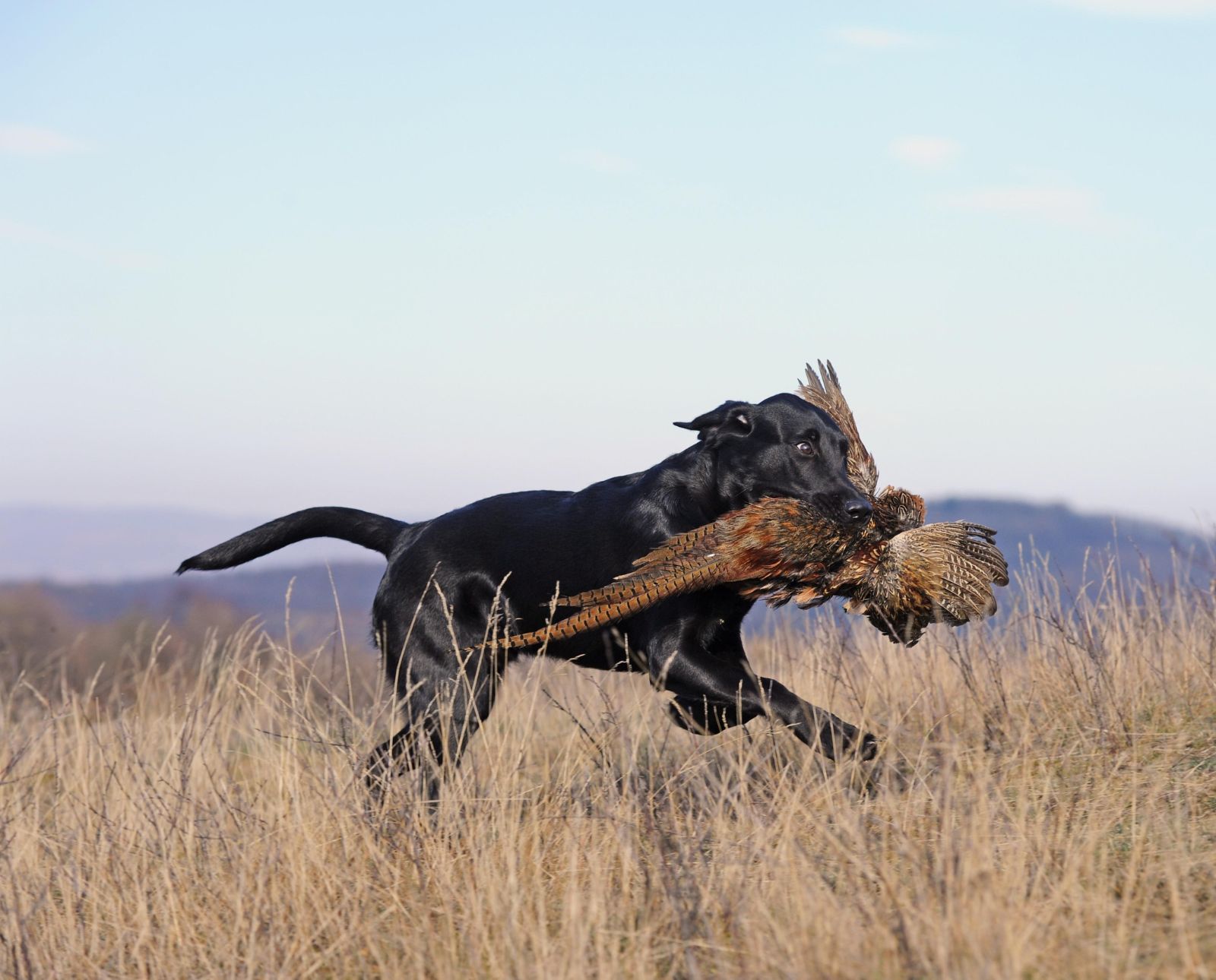
For a solo hunter, success may be tough, but this is also a time when a good bird dog shines. Not all birds flush wild. Some will choose to run through the cover, allowing a good dog to track it up. I had a Brittany once that was killer on running ringnecks. When she would get on the trail, she would not let up until the bird was flushed. Many seasoned dogs will do this and it’s a great time to remember to always trust your dog. As long as the dog is acting birdy, stay with it. Eventually, the running bird will stop and hold, allowing for a staunch point or close flush depending on the breed of dog you are using.
Late Season Pheasant Hunting: Finding Roosters in Heavy Winter Cover
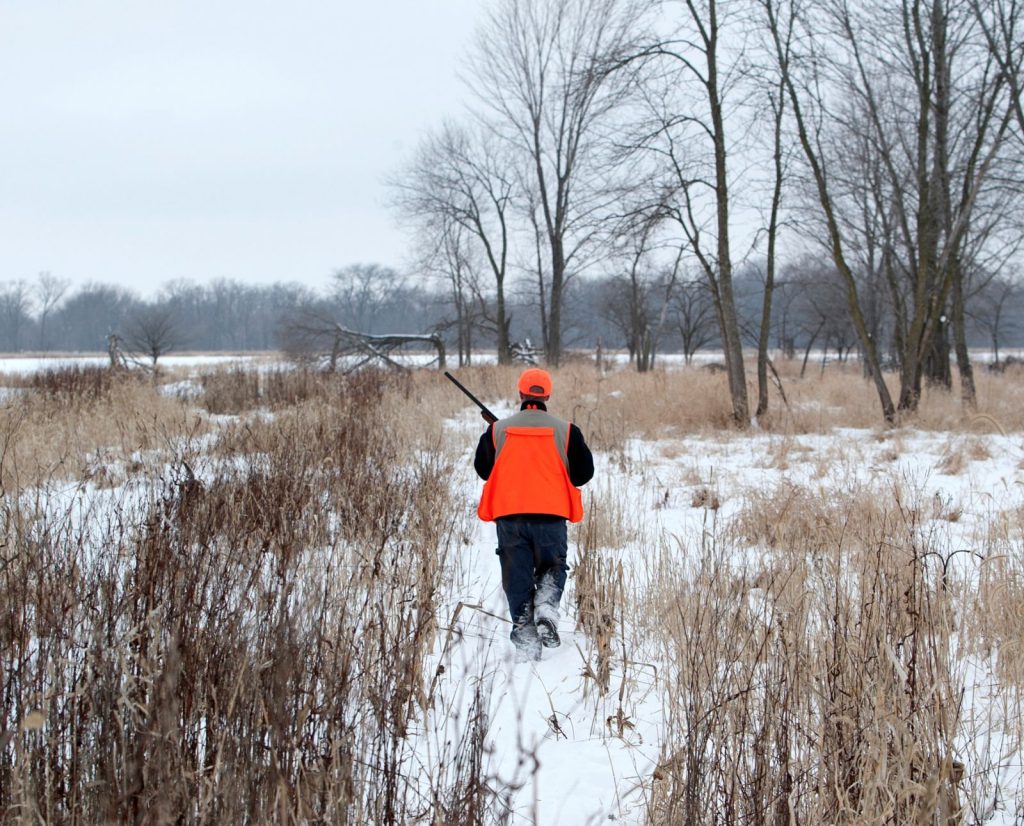
Late season in pheasant country is often typified by cold, bitter winds, and snow cover. While these might not be the most comfortable conditions for hunting, it is often a time when success can be good. During the late season, birds are often grouped and concentrated in the heaviest cover available. This is a benefit to hunters as much of the cover that held birds during the early and mid-seasons can be eliminated, narrowing the search for roosters. Hunt the heaviest cover that you can find, hunting slowly into the wind as your dog works. Birds will still flush wild or run now, but heavy cover and snow will cause enough pheasants to hold long enough for good shooting. Again, remember to always trust the dog. Also, look for heavy cover other than grass, including clumps of shrubs. Old homesteads that are socked with kochia weed and other cover will often hold a rooster or two and are overlooked by many hunters.
This is also a good time to hunt shelterbelts of trees or other woody cover. These areas provide a break from the wind and snow, and late season birds often flock to them as other cover becomes unusable. Hunting shelterbelts can be a tricky business, however. The heavy cover means challenging shooting on flushing birds, plus a lone hunter can only cover one side and many birds will flush on the opposite side. Hunt with a buddy or two if you can. When hunting shelterbelts or other woody cover, I often will place a hunter on either side and another at the end of the tree row to intercept birds that flush wild. If the shelterbelt is wide enough, I will send a hunter through the middle of the cover to help flush birds. Hunting through the middle of the trees is hard work, but it often results in shots on birds that would have otherwise let us walk right by them.
Successful Pheasant Hunting Means Adapting Throughout the Season
Most states that offer pheasant hunting have long seasons that can run from October through January. This long period of time results in wild changes in weather and habitat conditions as the season progresses. Pheasants must adapt to these changing conditions, and so must hunters. Hunting the same light cover that held birds during the early season will result in poor results come January. These changing conditions can challenge you, but there are ways to overcome them. Use the tactics that I have laid out as a guide and spend more time exploring the pheasant fields throughout the season.