

Provençal-Style Rabbit Rillettes
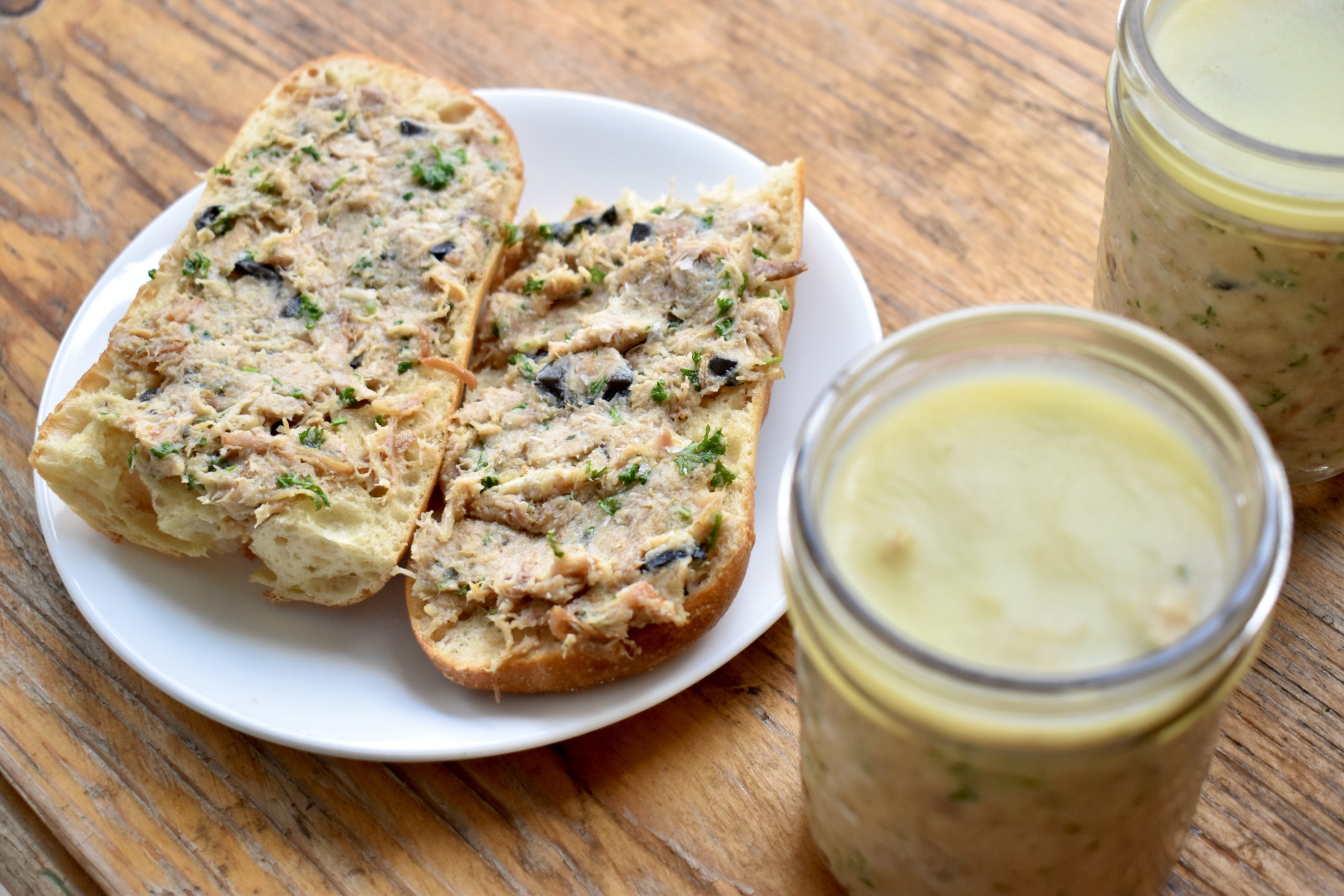
Rustic and aromatic rabbit rillettes with a mixture of olive oil and duck fat, giving the spread a Mediterranean richness
One of the more interesting things about learning traditional food preservation techniques is realizing how often luxury and practicality overlap. Take rillettes (REE-yet), for example. Rillettes are creamy little pots of shredded duck, pork, or rabbit served alongside crusty bread, pickles, mustard, and cheeses.
Today, the word “rillettes” tends to conjure images of tiny jars spread across wooden charcuterie boards in wine bars and bistros. The dish feels elegant, refined, and distinctly like French haute-cuisine. However, I’ve had fellow hunters turn their nose up at my own personal offerings of wild confit and rillettes. “Isn’t that some fancy French thing?” they’d ask, dubiously. In reality though, rillettes were historically a peasant food.
At their core, rillettes are simply meat slowly cooked in fat until tender enough to shred, then mixed back with some of that fat and packed into jars or crocks. Like confit, another famous French preservation method, rillettes originated as a way to stretch the usable lifespan of meat long before refrigeration existed.
The basic preservation method goes like this: meat was slowly cooked in rendered fat, reducing moisture while tenderizing tougher cuts. The finished meat was then packed tightly into containers and sealed beneath a layer of hardened fat, helping protect it from oxygen exposure and spoilage. Combined with cool cellar temperatures, this allowed meat to last dramatically longer than it otherwise would have.
You see versions of this idea all over the world. Crispy pork preserved beneath lard in Eastern Europe, fish packed into olive oil throughout the Mediterranean, British potted meats sealed beneath clarified butter. Even my favorite Asian condiment, chili crisp, follows a similar underlying principle: preserving flavorful solids inside rendered fat or oil.
As often happened with ancient preservation techniques, people understood something instinctively long before food science could explain it fully: fat preserves flavor exceptionally well. But it also transforms texture.
That transformation is a huge part of why confit and rillettes survived long after refrigeration made them obsolete. Tough, sinewy cuts become silky and spreadable after hours of gentle cooking in fat, lean game meats soften and relax instead of drying out, and aromatics infuse deeply into the meat itself. The final result feels far richer and more luxurious than the humble ingredients suggest.
One thing I particularly enjoy about rillettes is how naturally they fit into wild game cooking. Hunters often focus heavily on prime cuts: backstraps, breasts, loins, and tender steaks. But preservation-focused dishes like this were historically designed around tougher, less glamorous portions of the animal. Legs, necks, wings, trim, and heavily worked muscles all become excellent candidates for slow fat cooking. Rabbit is particularly well-suited to this style of cooking.
Read: Project Upland’s Rabbit Hunting Articles & Stories
While tender rabbit loins can be quickly sautéed or grilled, the legs and body contain a surprising amount of connective tissue for such a small animal. Slow cooking breaks that tissue down beautifully, producing meat that shreds easily while remaining moist and flavorful. It also helps that rabbit readily absorbs surrounding aromatics, making it an ideal canvas for the Mediterranean flavors like fennel, citrus, herbs, garlic, and olive oil that I chose to use for this dish.
This particular recipe leans into those Provençal influences quite heavily. Herbes de Provence, orange zest, black olives, garlic, fennel seed, and parsley all push the rillettes toward southern France rather than its traditional home in Gascony.
Rabbit especially benefits from this treatment because the entire animal is so lean. Unlike domestic pork shoulder, which arrives naturally marbled and fatty, wild rabbit requires an outside fat source to achieve that rich, spreadable texture. That’s where duck fat becomes so useful.
Duck fat remains relatively soft even when chilled, carries aromatics beautifully, and develops a savory depth after repeated use. Historically, confit fat was often strained and reused multiple times, gradually developing layers of flavor from garlic, herbs, roasted meat, and spices. Properly strained and refrigerated, it can be reused for future batches of confit, or for roasting potatoes, frying mushrooms, or sautéing greens.
Cook: Project Upland’s Rabbit Recipes
One thing worth clarifying is that while fat preservation traditions are ancient, modern refrigeration still matters. Oil and fat create low-oxygen environments, which can become risky if handled improperly. Foods preserved in oil or fat should be refrigerated, especially when moisture-rich ingredients like garlic, mushrooms, or meat are involved.
Served cold or cool with warm bread, sharp pickles, mustard, or crunchy vegetables, these rillettes hit that perfect balance between rustic and refined. The richness of the fat contrasts nicely against garnishes like pickles, while the coarse texture of the shredded rabbit keeps the spread from feeling pâté-like.
Rillettes are also very flexible, working well not just with rabbit, but bear, turkey, venison, grouse, pheasant, and countless other wild foods. That adaptability is part of what makes so many old preservation methods still so useful today. For hunters especially, they remain an excellent way to transform tougher, leaner, or overlooked cuts into something rich, practical, and deeply satisfying.
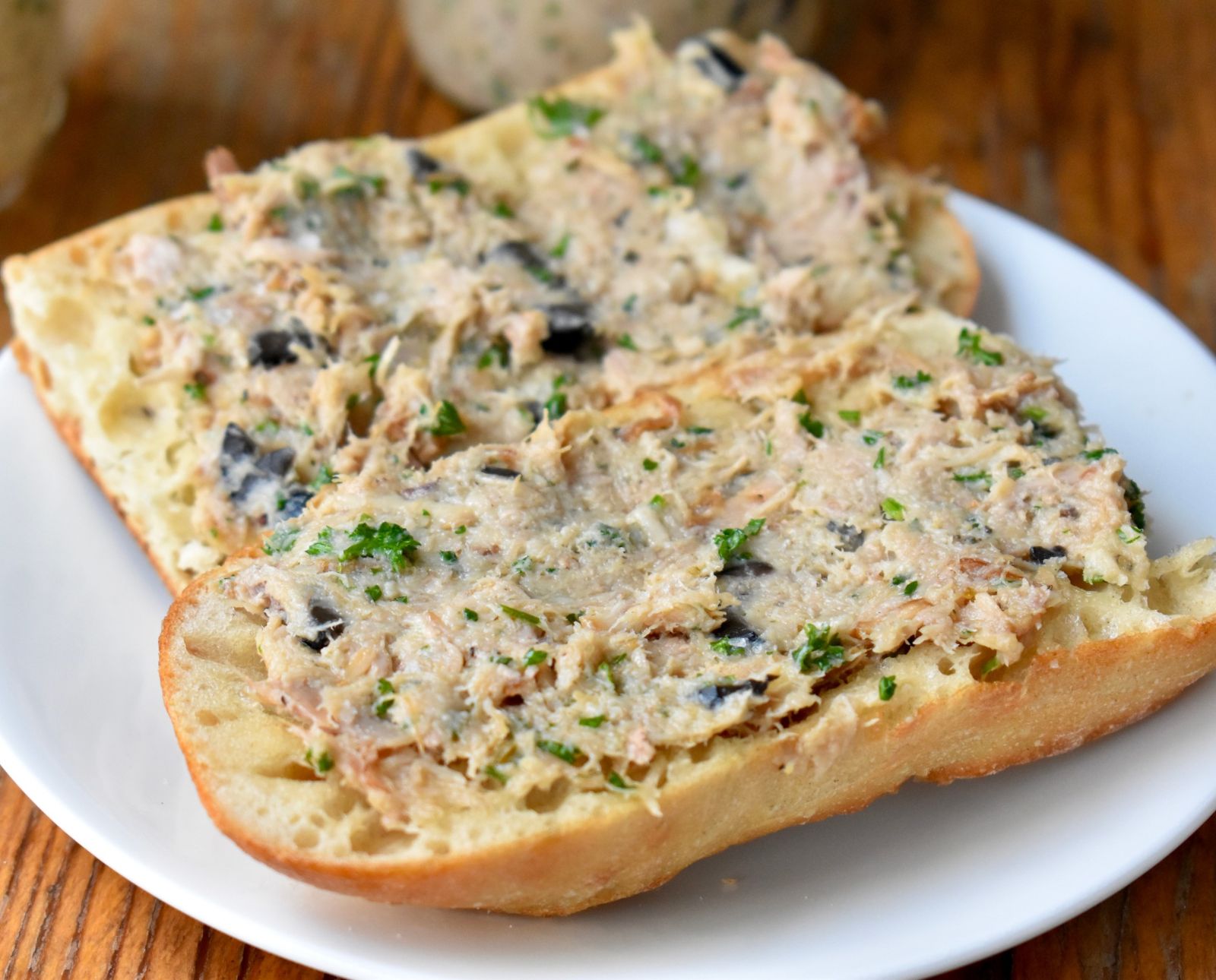
Provençal-Style Rabbit Rillettes
Ingredients
Method
- Preheat oven to 275°F.
- Place rabbit pieces in a heavy pot or Dutch oven. Add duck fat, onion, garlic, fennel seed, peppercorns, 2 teaspoons of the herbes de Provence, orange zest, and bay leaf. Add just enough water or stock to barely cover the meat.
- Transfer to the oven and cook for about 2–3 hours, until the rabbit is very tender and falling from the bone.
- Remove the rabbit and allow it to cool slightly. Pull the meat from the bones. Break it into coarse pieces with your fingers, keeping some small chunks rather than finely shredding.
- Strain the cooking fat and reserve.
- Place the warm meat in a bowl and mix in ½–¾ cup of the cooking fat, stirring until the mixture becomes moist and spreadable.
- Season with the final teaspoon of herbes de Provence and kosher salt to taste (make it a little saltier than you prefer, as it will be served cold which can mute flavors).
- Stir in lemon juice, parsley, and olives. Pack into jars or a small crock and smooth the top. Pour a thin layer of melted fat over the surface to seal. Refrigerate at least overnight, or up to 5 days before serving. Serve with warm bread, crackers, pickled vegetables, or cornichons with a small pinch of flaky salt.