

Why Pigeon Hunting Is Perfect for Off-Season Retriever Training
Here’s how to hunt the year-round unlimited pigeon season and work on your hunting dog’s retrieving skills
Looking for a way to keep your retriever sharp between hunting seasons? If your state has an unlimited, year-round pigeon hunting season, then pigeon hunting provides countless shooting opportunities while giving hunting dogs valuable experience marking birds, retrieving cripples, maintaining steadiness, and working through realistic hunting scenarios. During summer pigeon shoots, I’ve watched young retrievers pick up more birds in a single morning than they might retrieve during weeks of waterfowl season. For hunters and retrievers alike, pigeon hunting may be one of the most effective ways to keep a bird dog sharp during the off-season.
Why Pigeon Hunting Is Excellent for Training Retrievers
For retrievers, pigeon hunting offers no better training day. It is not uncommon for pups to pick up as many birds in one hunt as some may retrieve throughout an entire waterfowl season. As a form of retriever training, pigeon hunting provides frequent opportunities for dogs to watch and mark birds in the distance as they circle and glide into the spread, while also learning to track a gun barrel as you mount and swing up, down, and side-to-side on the dipping and diving pigeons.
Steadiness will be challenged as many birds fall within close range. Dogs will have opportunities to remember and pick up multiple downed birds, chase cripples, execute blind retrieves, and improve their skills at marking birds under realistic hunting conditions. This type of off-season dog training exposes retrievers to situations that can be difficult to replicate through traditional retrieving drills and training sessions. Additionally, the volume of retrieves and time afield will help keep your dog physically and mentally conditioned during the off-season.
Pigeon hunting is also a perfect time to work dogs from a stand or blind and allow them to navigate decoy spreads that feature motion decoys. Given the volume of birds and variety of retrieves, a few days in the pigeon field can provide more meaningful retriever training than an entire season of limited hunting opportunities.
How to Scout for Pigeons
If you are wondering how to find pigeons, start by identifying the pigeon hunting locations that consistently provide food, water, grit, and roosting cover. Similar to waterfowl hunting, some windshield time through the countryside with binoculars is the best way to scout for pigeons. Try to target large dairy or cattle farms because the waste grain used for feed and manure attracts pigeons. Add a gravel driveway or nearby roadside for gizzard grit, low spots that hold rain water for drinking, and an ancient barn or rusted-out silo for roosting and rearing space, and you will find flocks of pigeons.
Sit for a while in the early morning or late afternoon as they emerge from the top of the silo. Witness singles, doubles, and large groups take the leap of faith and glide towards the feed. Most farmers are thrilled to have the “sky rats” eliminated as their droppings spread disease, constantly foul water troughs, get into stored hay and grain, and make a mess of the barn.
Similar to duck and goose hunting, take note of the exact location they are feeding at and set up there the next day. Make sure to secure permission to hunt and discuss with the landowner your blind location. Set up and shoot away from all buildings, livestock, and roadways. Be sure to mention and clear the area of all spent hulls and use ammunition with paper wads; plastic wads can become a problem for grazing livestock.
Pigeon Hunting Gear
While you can hunt flight lines and pass shoot, the real magic happens while hunting pigeons over decoys. A large spread is not needed; a mix of 10 to 15 full body decoys and silhouettes works perfectly.
While a few companies specifically manufacture and sell pigeon decoys, many pigeons have been taken over homemade silhouettes. Use online stencils shaped like pigeons, trace them onto cardboard, wood, or thick plastic, and cut them out. These homemade pigeon decoys are painted shades of grey with distinguishing black tail bands and white nasal accents. Full-bodied dove decoys painted in the same fashion work as well.
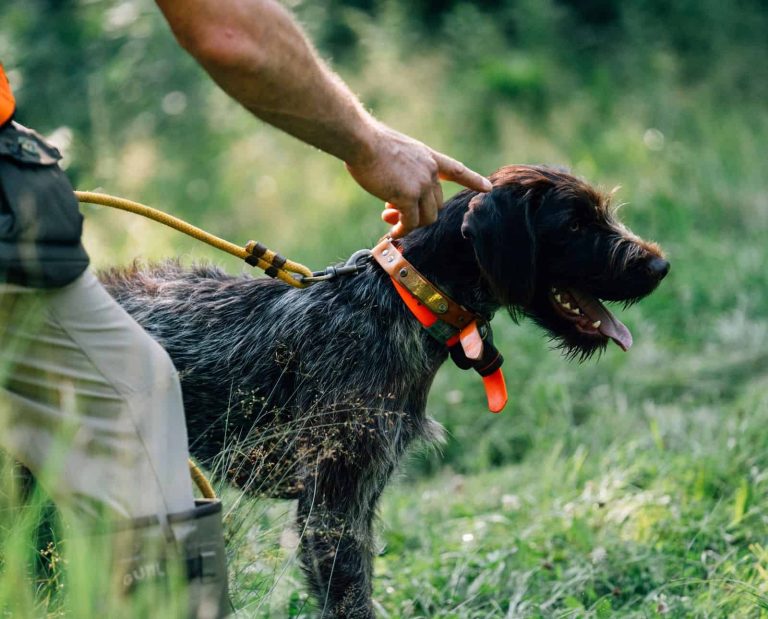
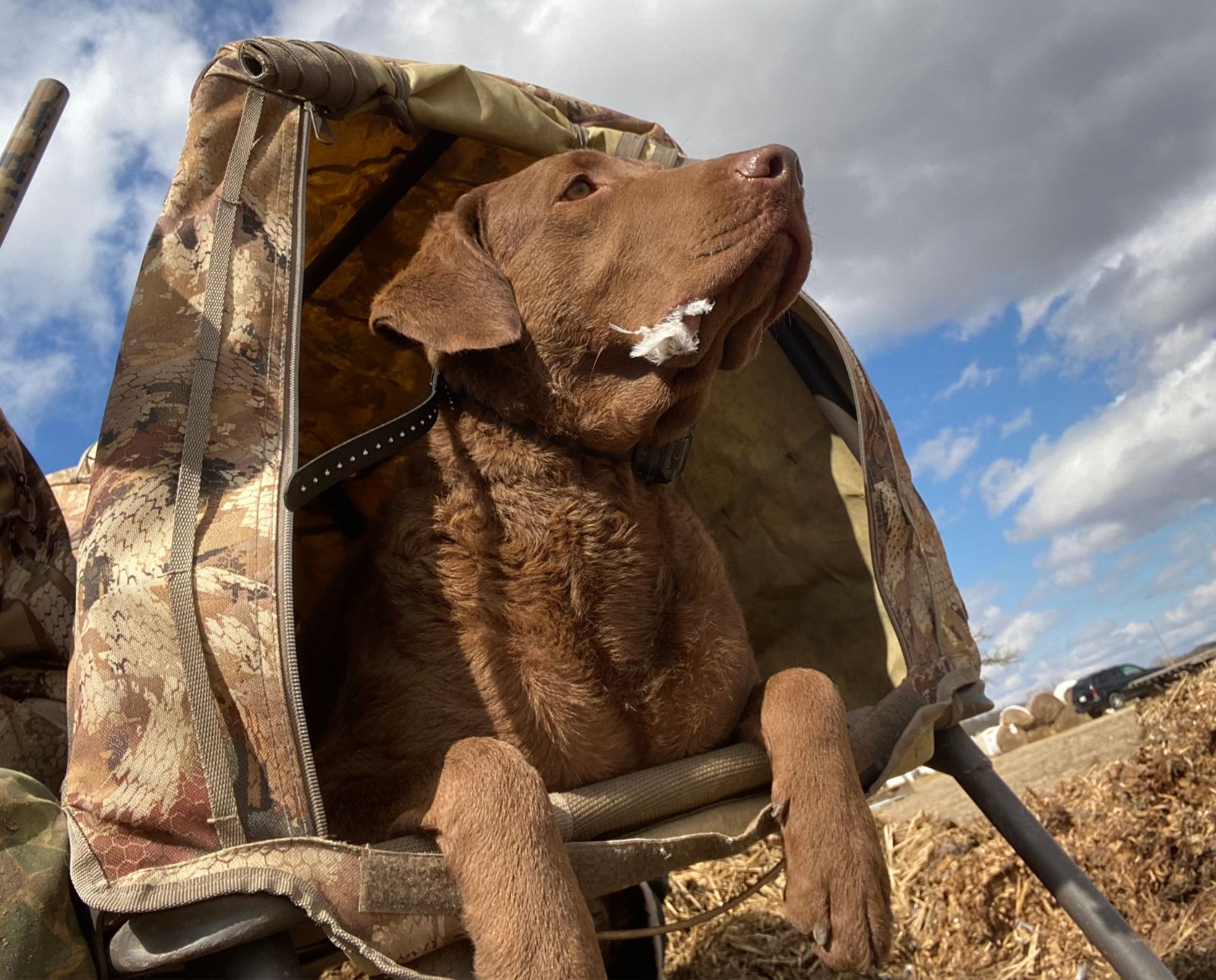
To bring the pigeon decoy spread to life, motion is key. Add a flapper dove or a dove/teal spinner, and your spread will come alive. Decoys can be packed in a five-gallon bucket, which is easy to carry and doubles as a seat. Plan on wearing camouflage clothing and adding a brushed blind as pigeons have good eyesight and key in on movement. A covered dog stand is a great addition to keep a young dog steady and hidden from the pigeons.
Read: Hunting Eurasian Collared-Dove in the Summer
Pigeon shooting is a wonderful opportunity to not only improve your shooting skills but to try out your new duck gun. If your state allows it, I suggest removing the plug as multiple shots are not uncommon. The 20, 16, and 12 gauges are all effective and great options providing the necessary reach and knock down power.
Regarding ammo, trap loads of No. 7.5 or No. 8 shot are perfect for decoying birds, providing a large spread and room for error as you swing and follow these aerial acrobats. No. 6 shot is also a good choice for passing shots and longer distances.
Best Weather Conditions for Pigeon Hunting
Once you have found the “X,” keep an eye on the weather forecast. Unlike waterfowling, look to get out on a day with relatively clear, calm skies. While sunny days and a light breeze are the best, cloudy days are fine as well. Pigeons tend to hole up in rainy, wet weather. It is best to avoid those days and wait for the weather to pass. Pay attention to incoming fronts as the birds will increase their activity and feed heavily the day preceding a storm.
Plan to arrive before first light or a few hours before an afternoon shoot. Place your decoys in the exact spot you saw the birds in the day before. Spread them out, providing lots of landing space. Try and position yourself with your back to the wind, as with ducks, the birds will look to land into the wind and present the best shooting opportunities. Look to work out of a wooded hedge row, behind a manure pile or hay bale, or out of a brushed panel or layout blind.
Hunting Pigeons Over Decoys
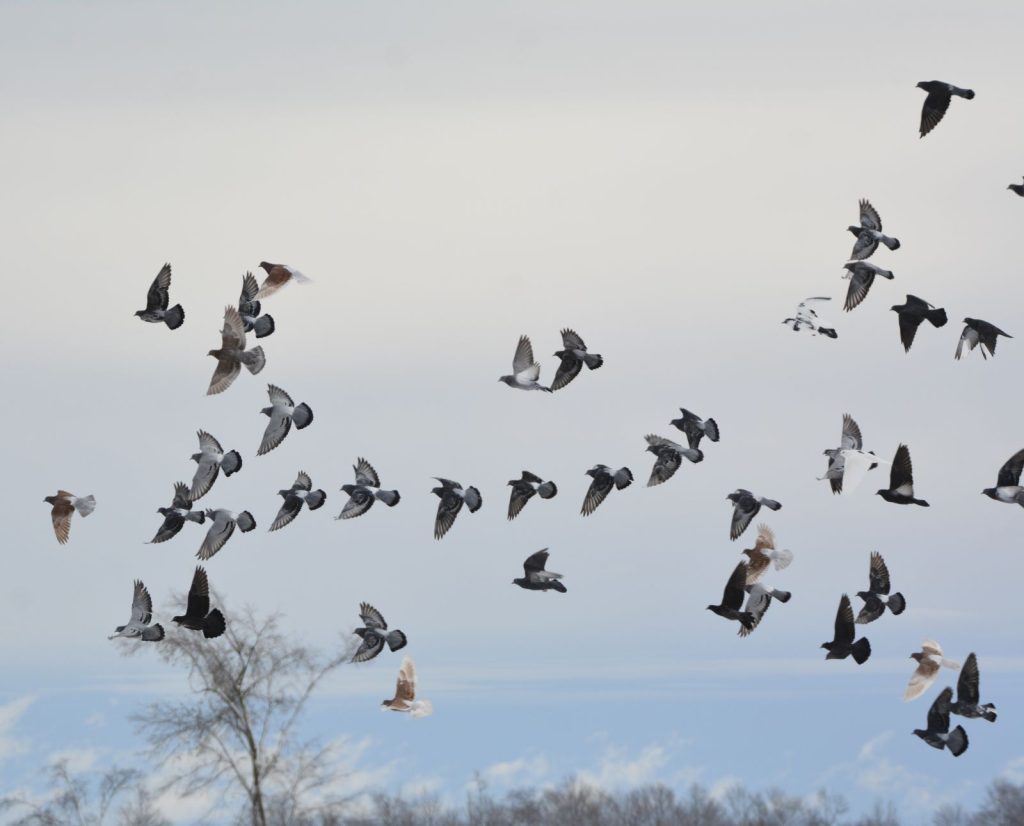
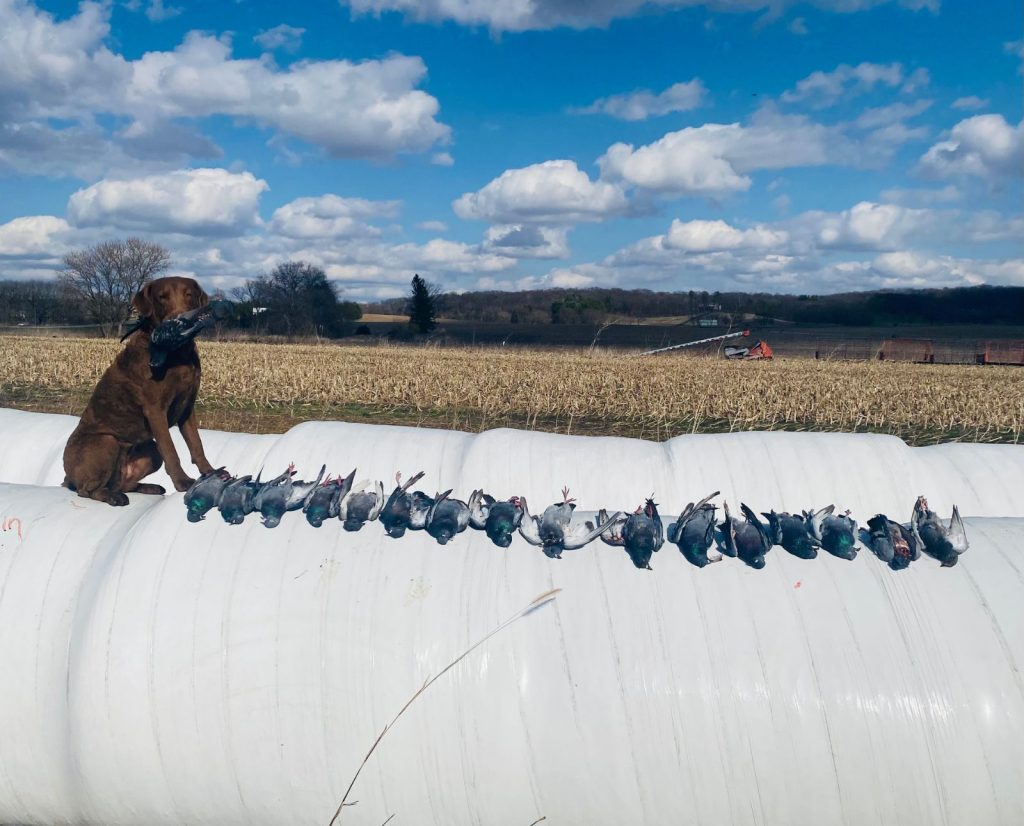
As moonlight becomes daylight, the top of the silo is a buzz of activity. Roosting birds have woken up hungry. The sky comes alive as the pigeons glide towards your decoy spread. Catching the sun beams, iridescent green and purple necks zip past, taking a peek at the imposters. Seated beside you, your dog perks his ears, head tilting, his eyes tracking the pigeon’s every move.
Be patient. Like ducks, oftentimes pigeons will eye the spread a few times before committing. Additionally, keep your head on a swivel. It is not uncommon for birds to come from all angles and directions. Focus on one bird at a time and be ready to keep shooting. Reload quickly; many times the shooting is fast and furious, and groups that have been shot at circle back.
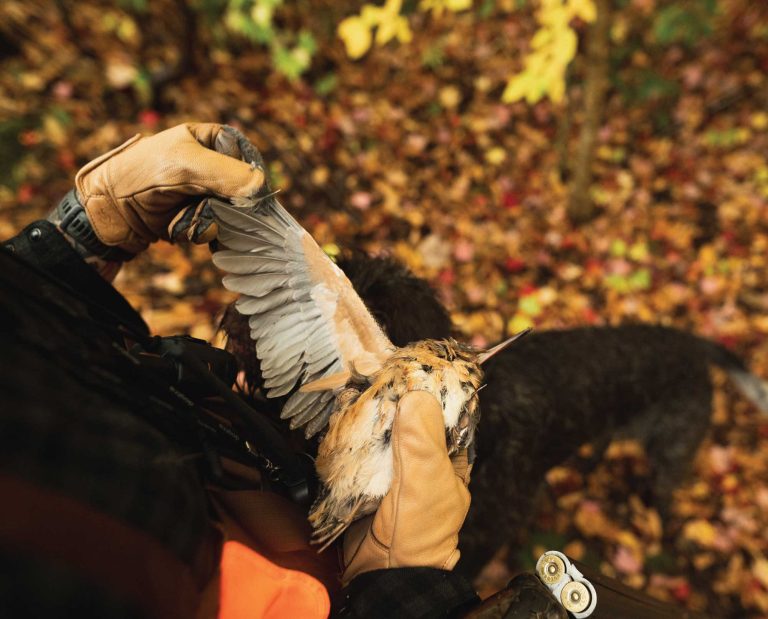
Your retriever will have many opportunities to mark downed birds, practice steadiness, retrieve dead birds, experience crippled birds, navigate decoy set ups, and more. As I previously mentioned, your dog may retrieve more birds in a few days of pigeon hunting than during the entire waterfowl season. Given the unlimited amount of action and opportunity, pigeon hunting can be especially good for training young retrievers during the off-season.
Can You Eat Pigeons?
One of the most common questions new pigeon hunters ask is whether pigeons are good table fare. The answer is yes. In fact, pigeons have been eaten around the world for centuries and remain a prized game bird in many culinary traditions.
Pigeons may be reviled by city slickers but they are revered by chefs. Pigeons, commonly referred to as squab when raised for food, are a long-standing culinary tradition around the globe. While historically a common meat source, pigeon is now often only found as a gourmet item featured in some of the finest restaurants around the world.
Pigeon meat is a dark meat. Like many game birds, they are a high-protein, low-fat food source. In fact, pigeons taste a lot like doves. For the best flavor and texture, the birds are best served medium-rare as overcooking can make them tough and dry. Any dove recipe will work with a pigeon. Looking for ways to prepare your harvest? Browse Project Upland’s collection of dove recipes, many of which work equally well with pigeons.
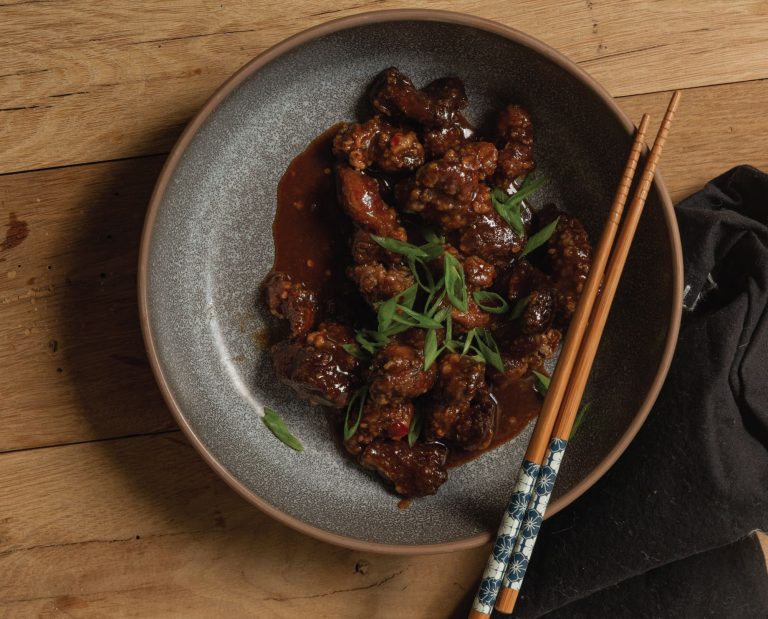
My personal favorite pigeon recipe is pigeon poppers. You can make pigeon poppers by stuffing deboned pigeon breasts with cream cheese into sliced jalapeño peppers, wrap the peppers in bacon, and grill them until the bacon is crisp and the meat is cooked. With little prep time and a couple of ingredients, they are a perfect appetizer or post-hunt snack.
When the off-season blues kick in, pigeon hunting is the cure. Few opportunities provide the same combination of shooting practice, retriever training, and table fare. After a summer of chasing pigeons, the early teal season will arrive before you know it—and both you and your dog will be ready.