

Knocking on Doors: Best Practices for Gaining Private Land Access for Upland Bird Hunting
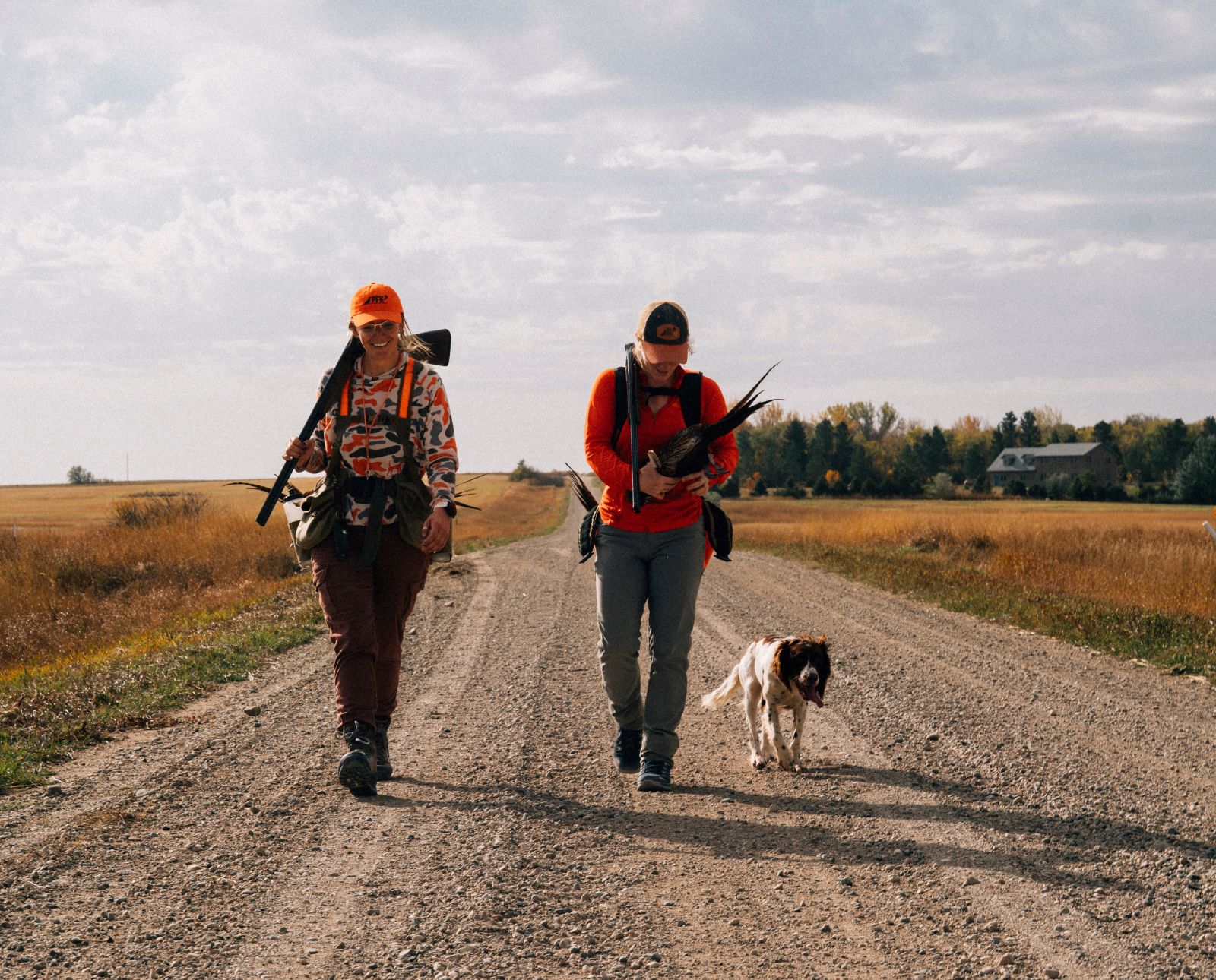
With the right preparation, approach, and etiquette, asking permission can lead to years of exceptional upland bird hunting and lasting relationships
It is quite common for hunters to feel trepidation over the act of knocking on a stranger’s door to ask permission to hunt upland birds on their private property. While public access acres in many states are good, I suggest that great opportunities are out there for bird hunters willing to knock on doors.
My experience is that I shoot more birds per day on private lands than I do on public lands, without paying access fees. In addition, I rarely have hunts interrupted by other hunters on the same ground. Pheasants also love to hang around grain and other crop fields that act as food sources, which are more common on private lands. Plus, private lands tend to be available close to towns and cities as well and can provide excellent bird-holding habitats accessible for a day hunt.
Asking permission to hunt private land can be intimidating, but it remains one of the best ways to find productive upland bird habitat. Here’s how to approach landowners respectfully, increase your chances of getting a yes, and build relationships that last for years.
Quick Checklist:
- Scout the property online and in person.
- Create a Hunter Information Card.
- Ask for permission before hunting season opens.
- Knock mid-morning to mid-afternoon, preferably on weekends and outside of harvest season.
- Dress respectfully and leave firearms in your vehicle.
- Accept “no” gracefully and thank the landowner for their time.
- If you get a yes, respect the property, livestock, and neighboring landowners.
- Always say thank you after your hunt.
Why Asking for Permission Pays Off
I have hunted a mix of public and private lands for wild upland birds for over 35 years, without paying lease fees on the private lands. When I started chasing pheasants in Idaho in the 1990s, state public access programs were minimal and the public wildlife areas near Boise experienced heavy use. My options were to knock on doors or have no decent land to hunt.
Fortunately, public access programs have blossomed in recent years, giving upland bird hunters more options to enjoy the sport we love. I moved back to Montana in the 2000s and discovered the abundant public access acres available to hunters, with about 31 million acres of state and federal public lands, and private access arranged by Montana Fish Wildlife and Parks (FWP). Even though this is a seemingly abundance of riches for hunters in Big Sky Country, and is the envy of most other states, there are almost 60 million acres of private land in the state.
Despite this abundance, as President of the Headwaters Chapter of Pheasants Forever, I still get calls from hunters looking for places to chase birds. This is particularly true for young hunters and others new to upland bird hunting. Maintaining strong support for our sport and habitat conservation efforts with the public and in state legislatures around the country depends upon the next generation and new hunters being able to get out and find places to hunt.
Overcoming the Fear of Asking
Much has been studied and written about the psychology of rejection. However, I don’t believe that is what happens when a landowner says no. A quick online search tells us that fear of rejection can make a no feel like a judgement of our character, that we don’t belong, or we are failures. It can also open old rejection wounds. I have no training in psychology—I didn’t even take Psych 101 despite it being regarded as an easy A—however, I think that asking a favor of a stranger and being told no isn’t a reflection on the person making the request, and it shouldn’t trigger any of these common fears of rejection.
There are a variety of reasons landowners turn down requests to hunt, including: they hunt it themselves; they just allow family and friends to hunt; they lease it out to other hunters; they have winter wheat sprouts coming up that they don’t want trampled; or they have had negative experiences with hunters behaving badly. Unfortunately, there are some jerk hunters out there whose behavior makes it harder for landowners to trust strangers. For those of us who live well away from the area we hunt, it’s unlikely the landowner knows anything about you. In this case, you can assume the no is because of one of the above reasons, not because they made a value judgement about you.
If most hunters would think through the typical fear-based responses relative to making a simple request of a stranger, they will find the confidence to give it a try. As you walk to the door, visualize clouds of roosters busting forth from your new hunting spot. Imagine the joy it will bring your dog…and you.
You do want to keep the odds in your favor. Don’t wear a Packers jersey when knocking on the farmer’s door in Minnesota, and if you plan to pull up to a Wyoming farmhouse, leave your Tesla Cybertruck with California license plates at home. In all seriousness, common sense should prevail. Leave any political attire and maybe even sports attire at home. Stay generic in the off chance the landowner is a rabid partisan for a political party or sports team.
Research Properties Before You Knock: onX Hunt and Scouting
Let’s assume you have done a personal risk/reward analysis and are ready to handle a few nos in order to enjoy the benefits of expanding your upland bird hunting property inventory. This article assumes you have a general area of interest that is known to hold birds already picked out. If not, there are lots of great onX podcasts and other online sources to help you get started.
E-Scouting Private Lands with onX Hunt
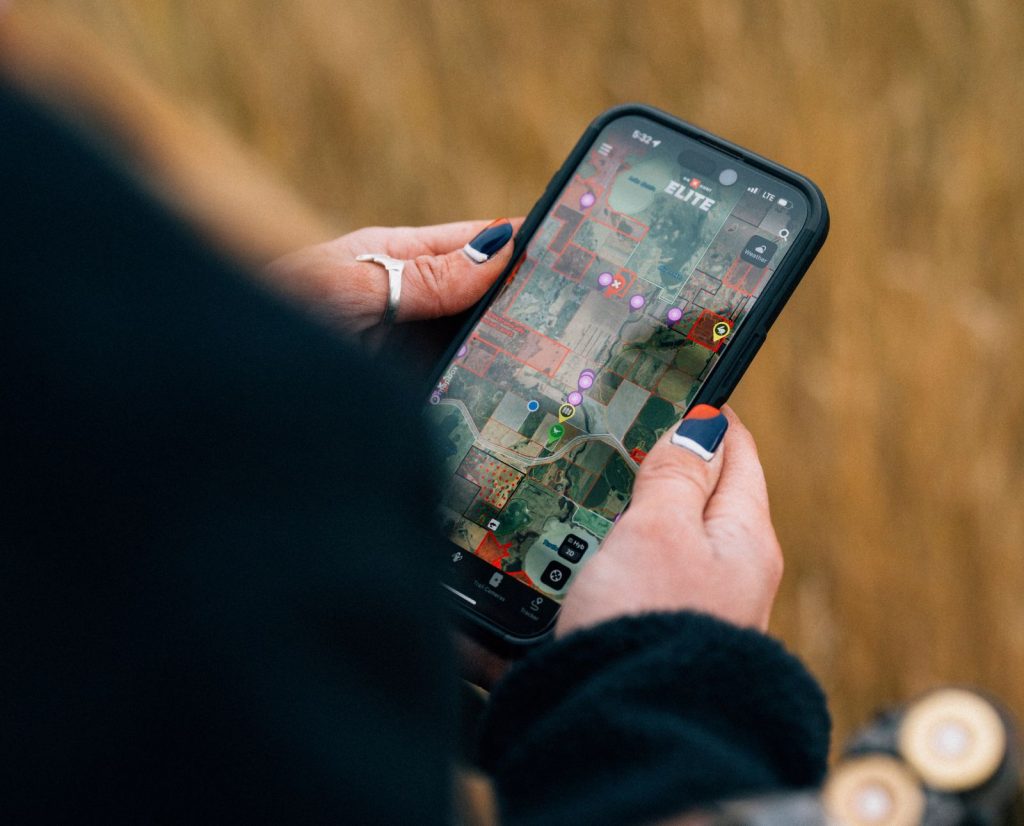
To find productive private lands, start by doing research using onX Hunt or other mapping apps to find likely habitats in the areas you plan to hunt. New onX tools are very helpful in identifying private property boundaries, landowner names, and addresses. It also is good at segregating grain fields from hay fields, thin vegetation from tall grass, and shrubs and cattails from trees. They also offer online courses to learn how to use all the great tools available with the app.
Scouting in the Field
Once you have identified possible properties, spend some time driving around your target areas to ground-truth your virtual research and refine your onX skills by learning what desirable habitat looks like on-screen. After some time driving around, you will get better at identifying how good habitat looks on the various onX map layers compared to poor habitat. Ground-truthing may be difficult if you live a long way from your targeted hunting area, but it’s time well spent during the preseason if you can.
Once you have found CRP fields, heavily vegetated ditches, grass strips along fencelines, and brushy coulees adjacent to grain fields that you suspect hold upland birds, the address of the owner can usually be derived from onX. Sometimes an owner lists an address in a nearby town or out of state, or it’s a trust that uses a P.O. Box. In that case, a stop at the house located on the property is in order. If the owner doesn’t live there, maybe the tenant can provide a phone number.
How and When to Ask for Permission to Hunt Private Lands
Now comes the moment many people dread: knocking on the door. As previously discussed, it’s not that bad, and most landowners are gracious with their nos and don’t take offense to the request. In 35 years of knocking on doors, I can only think of a handful of landowners that seemed to be genuinely annoyed with my request. Once I interrupted a couple fighting (I think the husband was losing so he had no patience for me), and another was during the waning minutes of a big rivalry football game. When I moved back to Montana from Idaho, my first yes came from a no when a landowner suggested I talk to their neighbor.
You can improve your odds by going out during the summer before hunting season starts instead of using up precious hunting days or bothering landowners during the busy first couple weeks of the season. Turn on the US Crop Distribution layer on onX Hunt to learn what crops the landowner typically plants, and research when those crops are harvested in the area. Avoid those busy weeks for farmers.
The timing of when you knock on doors is important. I suggest knocking mid-morning to mid-afternoon, not before breakfast and not during the dinner hour or late evening. Weekends are better than weekdays since people are more likely to be home. I have landowner friends with prime elk property, and they tell horror stories of receiving calls at 5 AM on opening day. Don’t be that person. Have your quick speech ready to introduce yourself and tell them what you want access for, since they may also get deer, turkey, fishing and other requests.
Hunter Information Cards
I make hunter information cards, which I hand to the landowner when I introduce myself. They have my name, address, cell phone, and pictures of me and my dogs. These cards let landowners know they can get a hold of me if needed and boosts their confidence that I will follow their rules and take care of the place. It also helps them remember me when I call again in a month or a year. Hopefully, it ends up on their bulletin board or refrigerator.
Tips for Asking Landowners for Hunting Permission
Before knocking on the door, keep these simple best practices in mind:
- Open the conversation with whoever answers the door
- If you get a no, try asking again later in the season
- Label private properties on onX with a yes or a no
- Bring your kids to the door to show them how it’s done
- Wear your bird hunting vest
- Leave political party or sports team attire at home
- Leave firearms in the truck
If you knock during hunting season and get a no, ask if it might be possible later in the season. I have several landowners who save their land for family and friends during the first few weeks of the season, and others who hold off until after Thanksgiving for family hunts. Just don’t be a pest; be ready to take a no and move on. Drop a waypoint on the property in onX with a color selected to designate that it’s not available so you don’t waste your time in the future. I do cycle back through past nos every couple of years when it’s a great looking property, just in case their conditions or property ownership have changed.
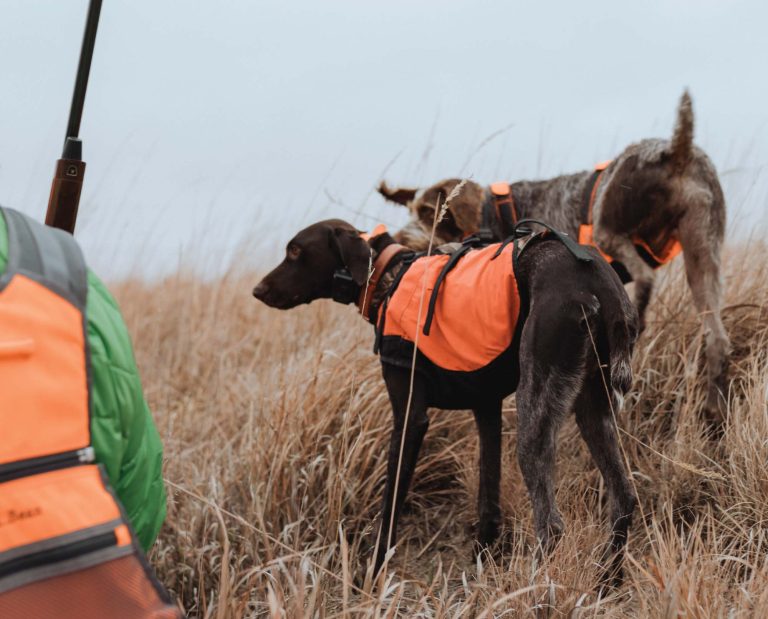
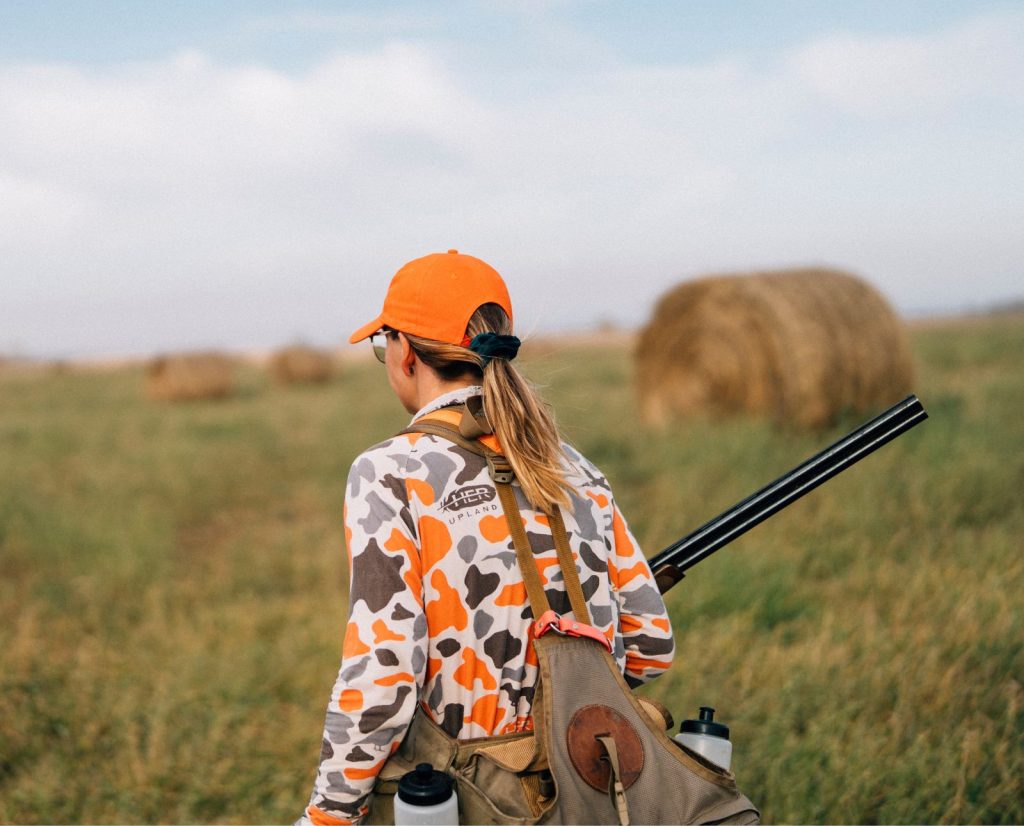
If you hunt with young kids, bring them to the door with you so they learn how it’s done. It also can help you get a yes because many landowners understand the importance of getting kids into the outdoors. Leave your shotguns in the car, and if you carry a bear pistol, leave it in the car, too. Wearing your vest is helpful because it identifies you as a bird hunter, not a salesman.
Additionally, don’t assume you have to talk to the man of the house. Instead, open the conversation with whomever answers the door. They will defer you to the decision maker, if necessary. Once, I listened to a female landowner carry on about the guys who knocked on her door who assumed there was a mister (it was her family’s place and she had just gone through a nasty divorce). I got access. They did not.
If the Landowner Says Yes
Before heading afield, make sure you’ve covered these important details:
- Property boundaries and hunting boundaries
- Locations where you should park and drive
- The boundaries around their livestock
- How to best respect their neighbors
- Exchange contact information
Be sure to ask questions about where you can hunt and where you can’t—don’t assume everything onX shows that they own is available to you. Some landowners hold the best habitat for their family, while others lease part of their land to other farmers and give them hunting access rights. Farmers may also lease property and give you access to land they don’t actually own. Be patient and make sure you understand their boundaries. Have their property pulled up on onX or a paper map, and have them show you where they are giving permission, because some people are directionally challenged. One time years ago, I trespassed because the landowner said I could hunt the south side of the highway when in reality he owned the north side. Today, onX Hunt helps prevent mistakes like this.
Some landowners want hunters to avoid pastures with livestock, while others are fine if you walk through without hunting. Winter wheat or other fall-planted fields may also need to be avoided. Ask where you should park and how far away you should stay from houses and buildings. Some people view the Huns or quail that winter in their yard as pets, so talk to them about the birds you want to hunt. Be careful of the “You can hunt Joe’s place next door, he doesn’t care” statements—go talk to Joe.
I have landowners that let me push their shelterbelt because they know I will only shoot away from the house, while others want me to get a quarter mile away before I load my side-by-side. It’s also good to know if they have finicky neighbors that don’t like shooting nearby. I have had several landowners stop giving permission to all hunters because of a neighbor constantly complaining about hunters shooting even though it was over half-mile from their house.
Many state game agencies print little permission books that you fill out with the landowner. It gives them your contact information and gives you a prime chance to get their phone number so you can call ahead next time. This gives you some protection if the son gives you permission and the father sees you hunting and doesn’t know.
Be the Hunter Landowners Want to Come Back
- Pick up trash, whether it’s yours or someone else’s
- Only drive and park vehicles where you’ve been told to
- Leave gates as you found them, and don’t damage fencelines
- Say thank you when you’re done hunting
Respect the property you’ve been given access to hunt. Be a gracious guest; pick up trash, your own and anything else you see, especially your spent shells or those left by other hunters. They probably won’t know you do this, but it’s the right thing to do. If other hunters leave shells or trash around, the landowner might get tired of it and stop letting anyone on the property.
Most importantly, only drive where you have specific permission to drive, and close any gates that you open as soon as you pass through them. Many landowners are very sensitive to vehicle catalytic converters starting grass fires, so where you drive and turn around may be very important to them. Be careful crossing fences to avoid damage; frisky yearling calves jumping a sagging top wire is a headache for the landowner.
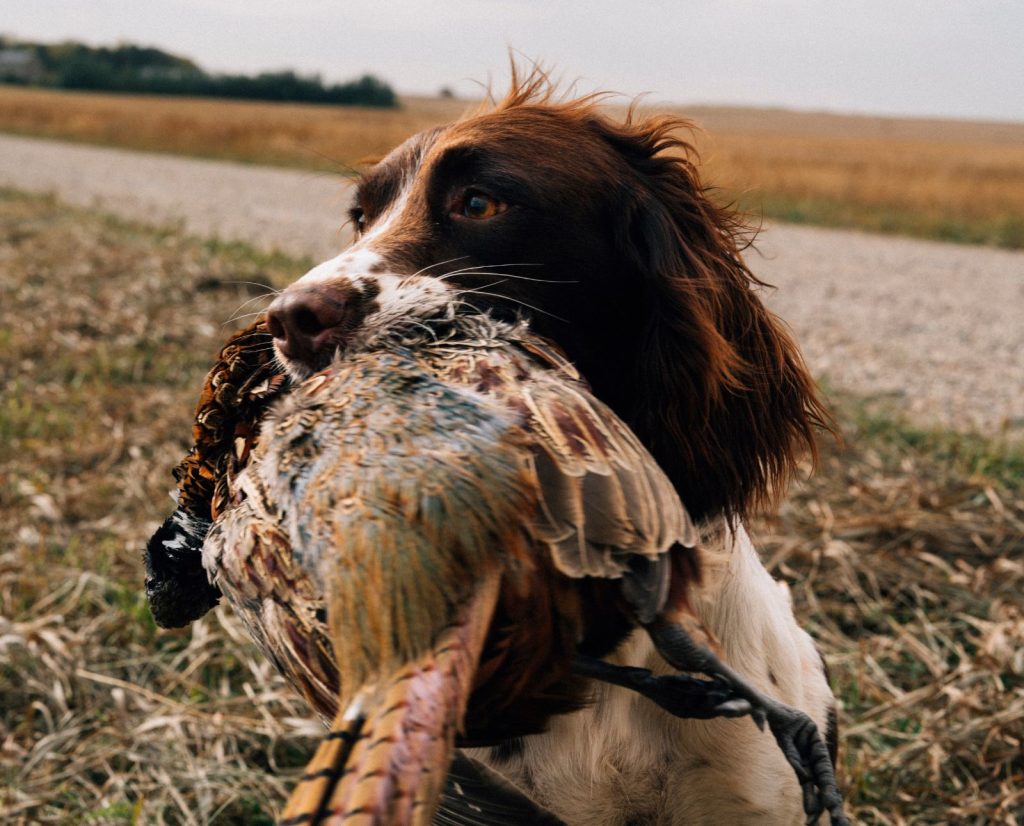
If the landowner lives nearby, stop and say thanks when you are done. If they don’t, give them a call expressing your appreciation for them trusting you with their property. Tell them how you did and pass on any observations you made about fences being down, trees down across roads, gates being open, and other things of that nature. This is also a good time to offer them one of the birds you harvested.
Once you feel you have established a relationship, ask if they know other landowners who might allow access. After they have seen you hunt responsibly and honor the privilege, they may be willing to refer you to their friends. Build a landowner’s spreadsheet with contact information and property details, landowner restrictions, frequency to call, and other pertinent information so you don’t forget their rules.
How Often Should You Hunt Private Property?
Knowing how often to return to a private property can be tricky. My rule of thumb is once or twice a season during the first couple of years, and typically no more than three or four days a season going forward. I recall one landowner complaining about a hunter calling every week and felt like he should charge the guy a lease fee, so he started saying no to him. You don’t want to be that guy. Your relationship with the landowner will help you figure this out and it doesn’t hurt to ask what they are comfortable with.
On the first call of the season to a landowner I already know, I ask how the farming season went, what they planted, and how many birds they have been seeing. I have had years when I didn’t hunt my favorite property because the landowner said they had only seen one rooster in the shelterbelt around his house over the previous month, and he had plowed under his stubble.
Building Long-Term Relationships with Landowners
Bourbon has been the standard landowner gift for generations, but a lot of people don’t drink. I hunted southern Idaho for years and a large percentage of my landowners didn’t drink for religious reasons, and alcohol was not a welcome gift. You might also get the skunk eye from a spouse if one of them drinks too much. Next time you knock, if only one of them is home, you may get a no.
When it comes to giving gifts to landowners, I try to find a specialty item that would constitute a splurge purchase that they might not buy for themselves. I give a jug of real Vermont maple syrup because it’s an item people typically don’t buy, but once they taste the real thing, it can become an anticipated gift. Gift cards to Walmart, Amazon, or local businesses are universally appreciated. I attach a note to the gift, thanking them for trusting me with their property. I include my hunter information card along with the gift.
How much to spend on gifts is up to you; it depends on your budget and the significance of the access. Similarly, if you have a landowner that gives you generous access to great habitat, then consider offering to come out and help for a day with projects around the place during the offseason.
As an example, I have a long-time landowner who has an amazing property that I hunt multiple times a year with up to four people. He allows me to bring six to ten of our chapter banquet committee members out at the end of the season for a special day afield before the hard work of organizing the banquet. I buy him a gift certificate for a nice local restaurant, the cost of which I split with the other guys who frequently hunt the place with me.
I typically drop off the gifts after the season is over, sometime in January or February, on the weekend and during the middle of the day or at a prearranged time. These visits are when I have really developed relationships with landowners. Their lives are typically slower midwinter, and they are more willing to take time to talk. Many referrals for other good properties have come from these visits.
Why Asking Permission to Hunt Private Lands Pays Off
The fringe benefits of having access to abundant birds on private lands is that the friends you invite to join you tend to bring lunch, give you packages of halibut they caught in Alaska, or invite you on their favorite hunts. One friend from Washington, who I took on a couple hunts in recent years, invited me to go quail hunting on his favorite spots in January, after the Montana bird seasons had closed. It was a great way to top off the year, especially since we don’t have quail in Montana.
In summary, a little effort, preparation, and a positive attitude before the knock can yield great benefits with more birds and less competition than you typically find on public lands. Having a spreadsheet full of great public and private land options makes for abundant opportunities and allows you to pivot when bird counts are down in one area.