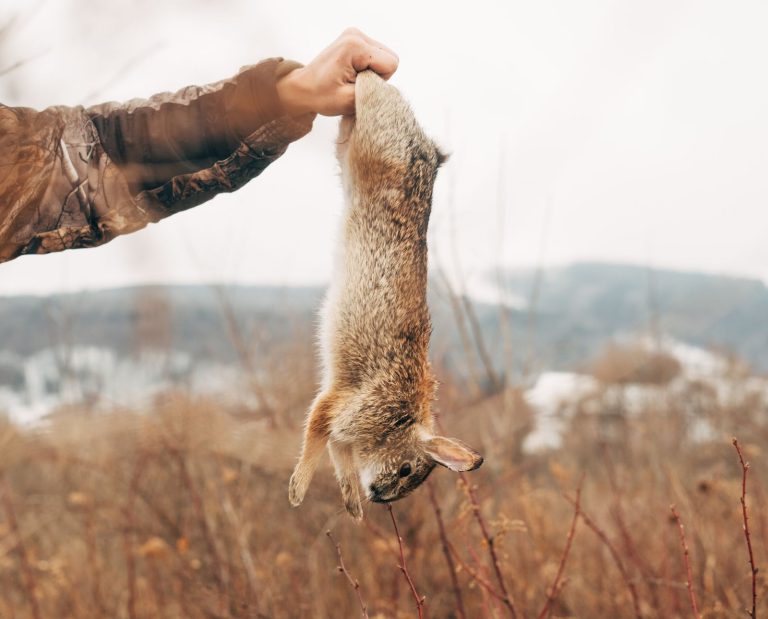


Early Season Squirrel Hunting: Tips for Finding Squirrels During the Summer
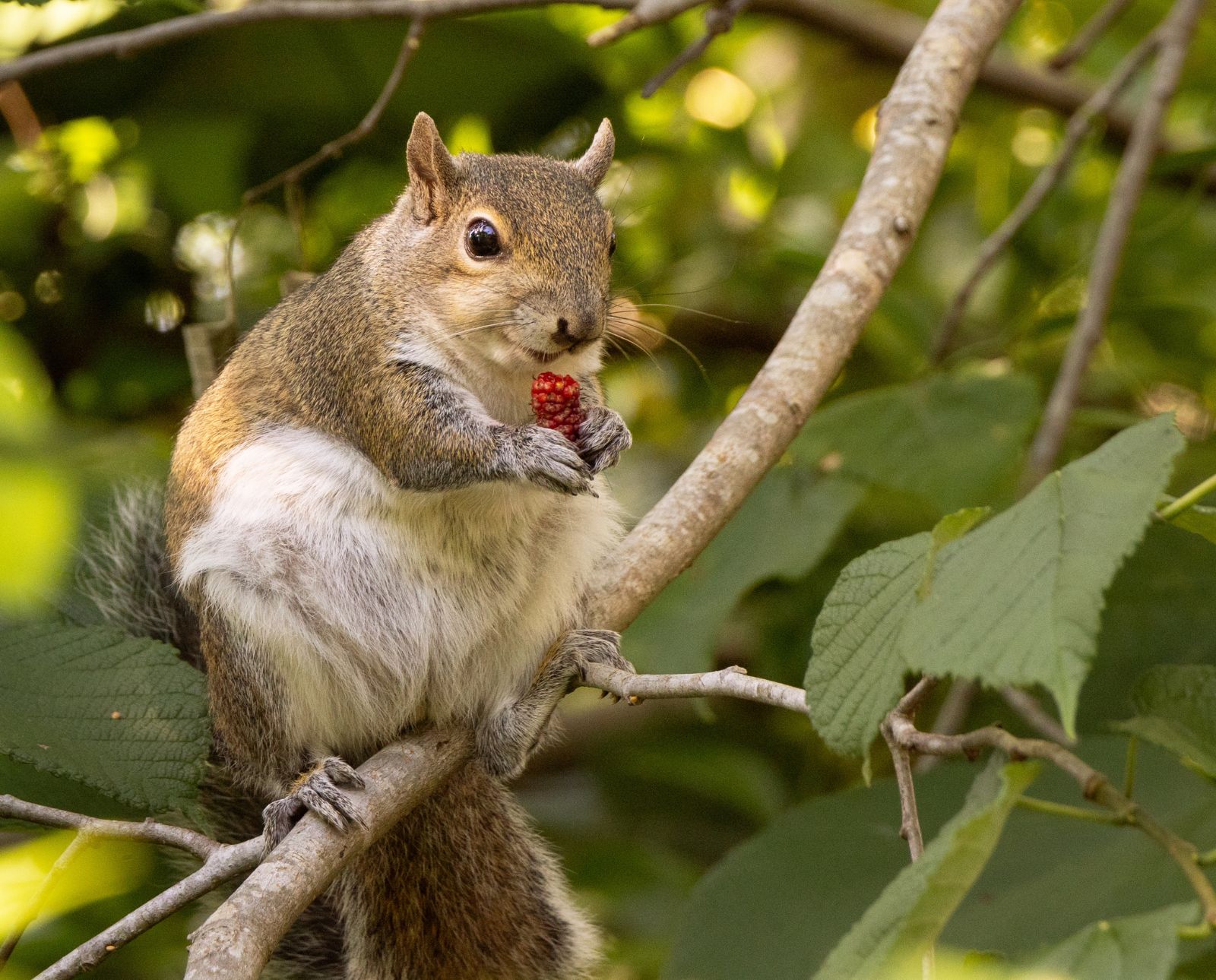
Early season squirrel hunting is all about understanding changing food sources
Early season squirrel hunting is one of the best ways to scratch that hunting itch months before dove, grouse, and other small game seasons open. Success during the early squirrel season depends on understanding what squirrels eat before acorns begin to fall. By targeting trees like mulberries, dogwoods, and hickories, hunters can consistently find squirrels throughout the summer and early fall.
For example, one July day, my oldest son was itching to go hunting. Mourning dove season was nearly two months away; the only open season was for squirrels. The temperature was 90 degrees and the humidity was high, but he couldn’t wait for fall any longer. He grabbed his little brother and headed across the field to a patch of woods that was open to hunting.
That evening, as I pulled into the driveway after work, my youngest proudly held up a young gray squirrel his brother had harvested. No sooner had he shown me the squirrel than they both started howling that their legs were on fire. Sure enough, they had stepped into a nest of tiny ticks, so they immediately hit the shower to get rid of the unwanted hitchhikers.
That was one hard-earned squirrel. Despite the ticks, they were both happy for the opportunity to hunt during a time when most small game seasons were still months away.
How to Find Early Season Squirrels
- Hunt fruit-bearing trees before acorns mature.
- Focus on mulberries in June and July.
- Target flowering dogwoods as berries ripen.
- Hunt hickories as nuts begin falling in early September.
- Arrive before daylight or hunt the last two hours before dark.
- Use a lightweight shotgun and No. 6 shot to compensate for dense summer foliage.
What is Early Squirrel Season?
Depending on your state’s squirrel hunting regulations, early season squirrel hunting may mean as early as late May (this is the case in Missouri). More traditionally though, I consider the early squirrel season from July through September.
During the early squirrel season, temperatures are very warm. Squirrels are still active when it’s hot out, but the hard mast-like acorns that are so relished during the traditional fall season are not yet available.
Read: How to Hunt Late Season Squirrels: Winter Food Sources, Hunting Tactics, and Weather Impacts
Like most wildlife, squirrels concentrate on the highest-energy food sources that are seasonally available, shifting from berries and soft mast to hard mast as autumn approaches. Because acorns are not yet abundant, squirrels seek out more isolated foods, ones that appear earlier in the season but quickly vanish as the critters get to them. The key to targeting squirrels during this early season is to identify and locate these pre-fall food sources and hunt them strategically.
Hunt Mulberry Trees for Early Season Squirrels
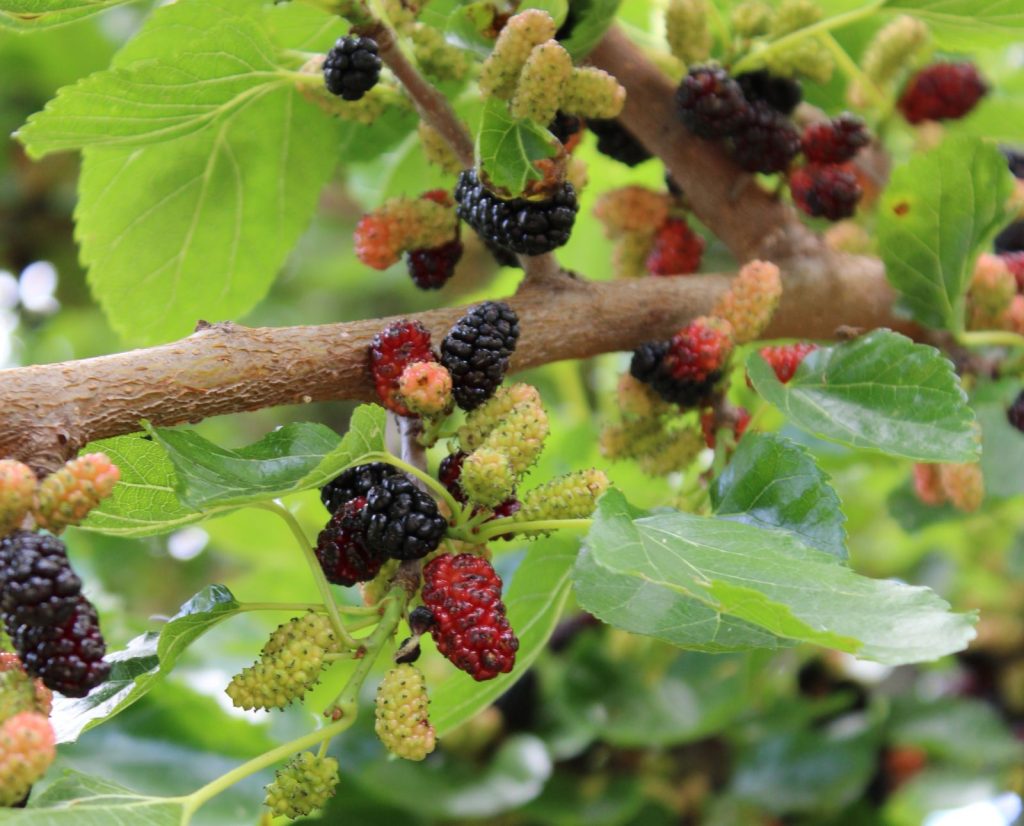
The mulberry tree is very common across the Midwest and eastern United States. Mulberries can be easily identified by the tendency for their bark to be somewhat peeling and the shapes of its serrated leaves, some of which look like a mitten.
Mulberries bear fruit from June through July, and their soft mast are relished by all sorts of animals from mammals to birds. The berries are safe for humans to eat, and they’re delicious, too, if you can grab a few before the animals eat them all! Ripe berries are deep red to purple in color, and they tend to ripen on the same tree over a few weeks. This staggered ripening will prolong the time you can hunt a specific tree. You will know that a tree has ripening fruit as the berries are easy to spot on the tree and ground near the base, and there will be lots of critter activity nearby.
Mulberries are an early-successional species, meaning they tend to grow quickly and need full sun to thrive. It’s not common to find mulberries deep in forests, so look for these trees along timber edges or open fields. Select trees to hunt that are near the forest edge as those will be most likely to have squirrels nearby. Sneak in at first light or a couple of hours before dusk and take a stand near an actively fruiting tree. Sit patiently and watch for squirrels to come from the deeper timber to the mulberry as they seek to fill up on these tasty morsels before they’re gone.
Find Squirrels Feeding on Flowering Dogwood
There is not a more beautiful spring tree than the flowering dogwood. Also called American dogwood, his tree’s brilliant blooms develop into an abundance of dark red berries that are ripe just in time for early season squirrel hunting, and squirrels love them!
Dogwoods are easy to find in the spring while flowering, but outside of the blooming season, they can be more difficult to identify because they blend in as an understory tree in woodlands and forests. They have scaly bark, dark green leaves, and often grow in a curved manner as they reach for sunlight through the canopy.
Cook: Project Upland’s Squirrel Recipes
When flowering dogwood berries are producing soft mast, bushytails from all around will descend on them to gorge themselves. As with hunting mulberries, arrive at a ripe dogwood tree early or just before dusk and watch for squirrels coming and going. Since dogwoods do not grow in clusters, you might spook all of the squirrels using the same tree after a few shots. In that case, I recommend slipping around the timber looking for other ripe trees. Still hunting your way through the forest like this will often result in unexpectedly seeing squirrels along the way. Having a “milk run” of dogwood trees and slipping from tree to tree is a good way to bag squirrels during the early season.
Hunt Hickory Trees Before Acorns Ripen
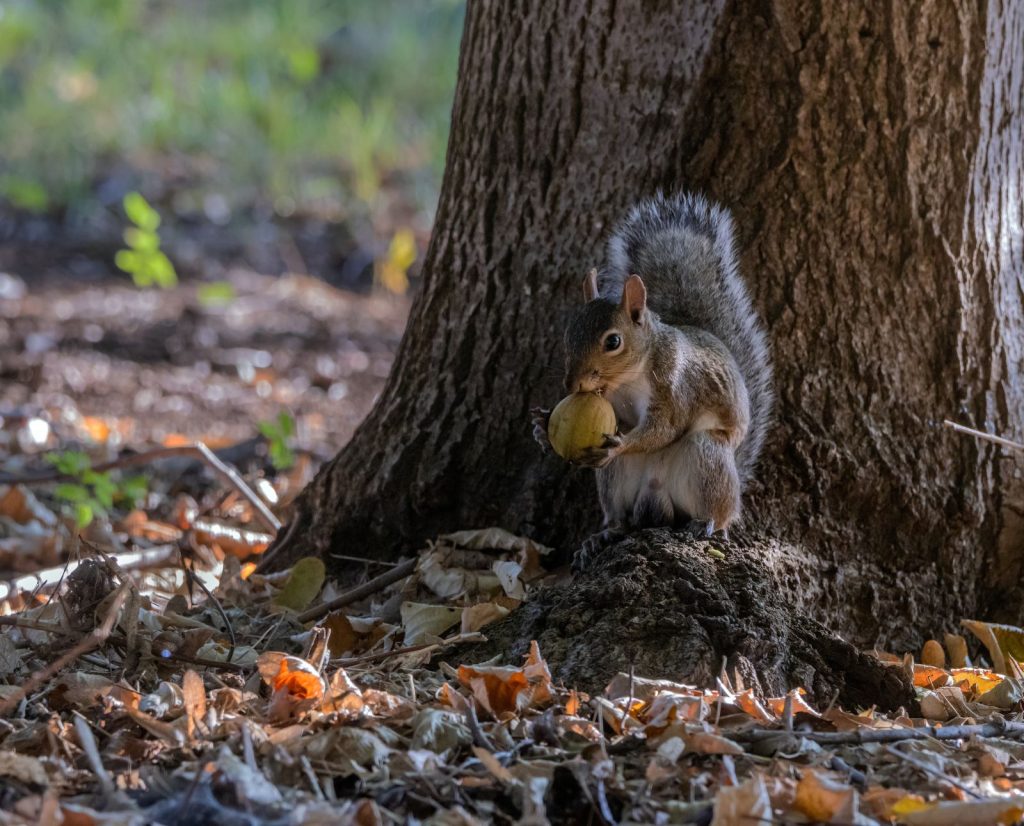
Once soft mast begins disappearing, squirrels quickly shift their attention to the first hard mast of the season. Hickory trees of all species, including pecans, ripen earlier than acorns. This ripening often occurs in early to mid-September. These trees are squirrel magnets and are my favorite places to hunt in the early season.
Hickories grow all over the eastern United States and are easy to identify by their compound leaf structure. Also, you will often find dropped nuts on the ground. If a portion of these dropped nuts show signs of being chewed on by squirrels, you’re in luck. That means this is a hot tree and likely several squirrels are taking advantage.
A ripe hickory tree, especially if it’s one of the first to ripen, can be a happening place and will often give you multiple shot opportunities. When the hickories are ripe, squirrels will abandon pretty much all other food sources. I have repeatedly seen as many as six gray squirrels in a single hickory tree dining to their heart’s content. As a bonus, fox squirrels are also drawn to hickories.
My favorite way to hunt hickory groves is to slip in before dawn and get close. As daylight comes, look for limbs swaying and shaking as squirrels jump from limb to limb, and listen for that particular sound. Also, keep a close ear open as you can often hear the sound of the squirrels’ teeth trying to break open the hard shell to get to the coveted meat inside. Listen also for the sound of nuts dropping as squirrels discard the shells.
The Best Gun for Early Season Squirrel Hunting
Speaking of shot opportunities, a common debate in squirrel hunting is whether to use a .22 rifle or a shotgun. To me, the hands-down answer is a shotgun in whichever gauge you prefer. I know some .22 caliber purists might not like that notion, but trying to settle a scope on a squirrel in the canopy of fully leafed out trees is almost impossible.
Remember, this is the early season—leaves are still fully attached and block a lot of shot attempts. Shots are typically close as the full canopy creates concealment and allows you to better stalk the squirrels, looking through the few holes in foliage in which to shoot. Some of these shots might be at squirrels running down a limb or scampering up a tree trunk, so you’ll need plenty of shot pattern to break through.
Read: Why You Should Start Squirrel Hunting
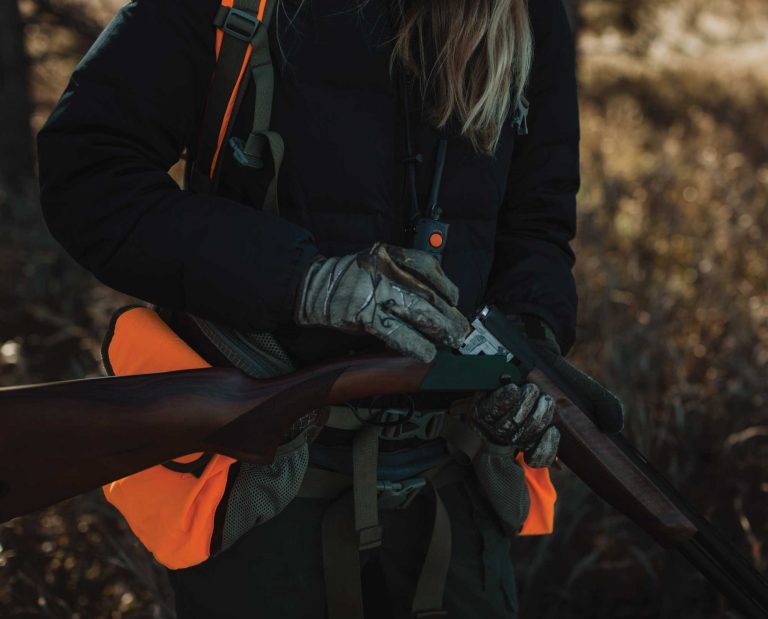
An ideal early season squirrel gun is a lightweight 20-gauge with a modified choke and No. 6 shot. This gives you some range, but also allows you to break through leaves that might be slightly obscuring the shot. You can opt for a .22 caliber if you’d like, but there’s plenty of time for that later in the season after the leaves have fallen.
Final Tips for Early Season Squirrel Hunting
Early season squirrel hunting is hot and sometimes humid. There are also plenty of ticks, chiggers, and mosquitoes to go around. Squirrels cannot smell you, so just spray yourself with some bug repellent and give it a go. You will become a better woodsman and naturalist as you learn more about squirrel behavior and how to better identify trees. To me, learning about their habitat is as much fun as the hunt. Just being outside and learning new things will make your hunt more satisfying, and you’ll discover things and places you never would have if you had stayed home. Plus, young gray squirrel smothered in gravy is a hard dish to beat!