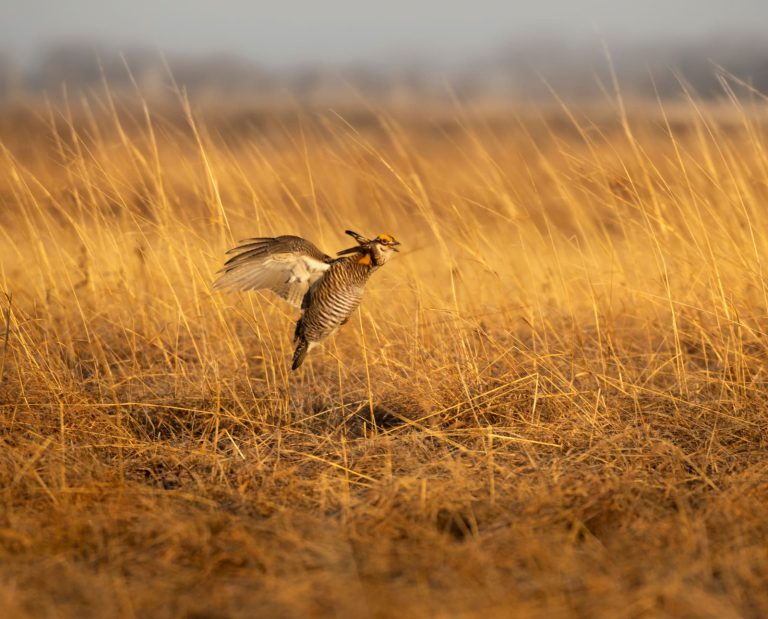


How to Dry and Preserve Coturnix Quail Skins for Fly Tying and Dog Training
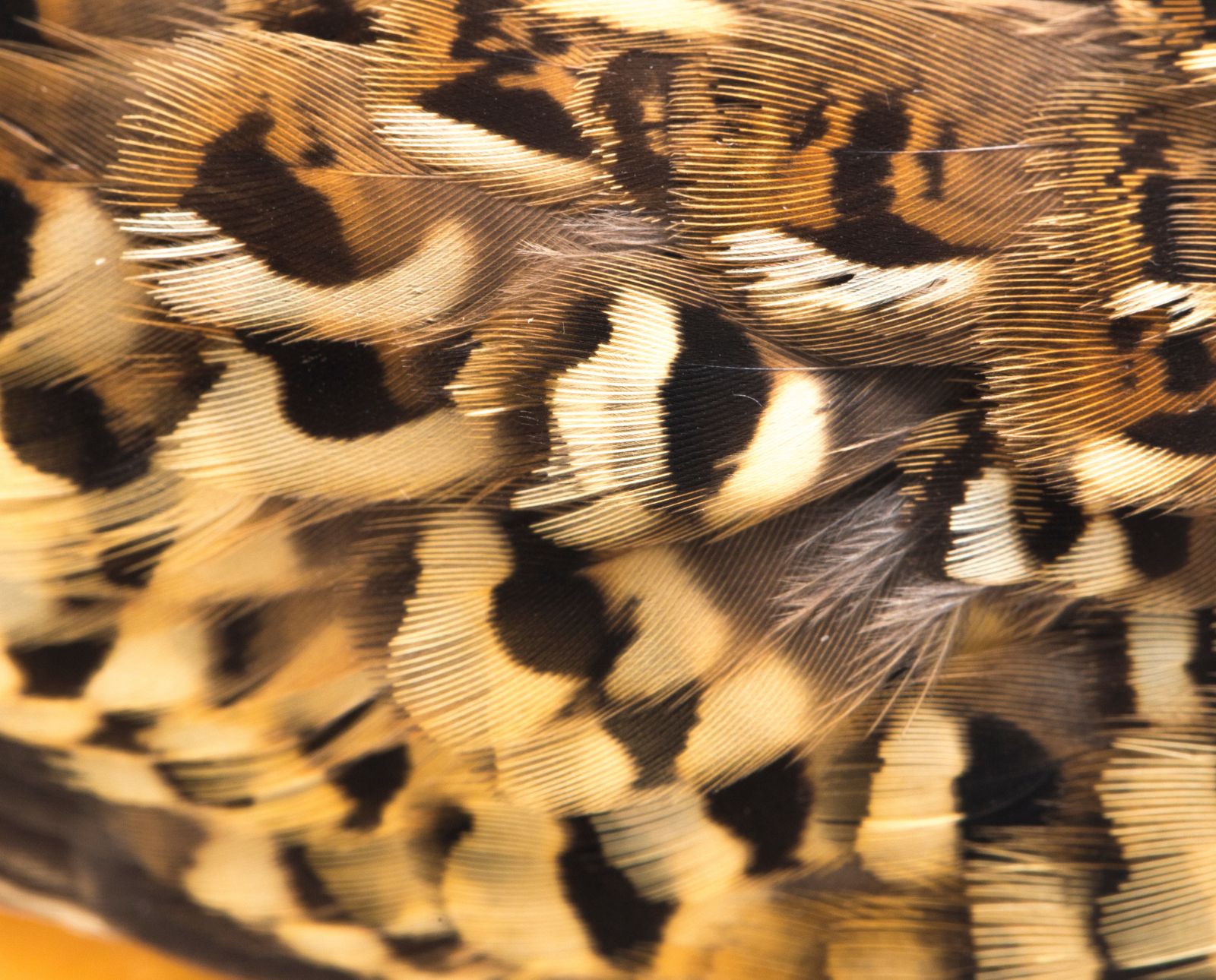
Learn how to skin domestic quail with the intent of preserving the skins and feathers for fly tying, dog training, and more
Raising domestic quail provides a wonderful list of benefits to the keeper, but in many cases, homesteaders tend to focus on quail eggs and meat without giving the other benefits much thought. This was exactly what it was like when I started raising coturnix quail. The fast growth of young birds into eating-sized adults was an easy six weeks, and by the time they were two months old, the hens were laying one egg per day per hen. Life was good.
Butchering the quail was a task that was made easier by a couple of pairs of extra hands, and skinning the birds was done quickly without any thought toward actually salvaging the skins with feathers intact. In fact, I’m embarrassed by just how many quail skins we tossed away. It wasn’t until a year later when a friend practically begged to buy a couple of dried skins that I even began to consider the thought of drying and selling my quail skins.
This was shortsightedness in full because I also do a lot of fly fishing and fly tying. The feathers from my coturnix quail are cosmetically perfect for use in nymphs and wet fly patterns, which was the reason for my friend wanting to acquire a couple skins so badly in the first place.
Learning how to dry coturnix quail skins is a valuable skill for homesteaders, fly tyers, and dog trainers looking to preserve feathers and create usable pelts. To dry coturnix quail skins, remove the skin carefully, then cover the exposed flesh with borax or salt and let it cure for about two weeks until hardened. Borax is best for fly tying, while salt is preferred for dog training applications.
If you are looking to preserve and sell domestic quail skins, here are some best practices I’ve learned over my time raising quail.
How to Choose Coturnix Quail for Skinning
If you plan to sell coturnix quail skins, determining which birds to skin isn’t an overly complicated task. The main goal is to pick birds that have lush or distinct plumage, which is more of a visual culling. Inspecting your domestic quail ahead of time will help to ensure that the tips of the feathers aren’t worn down from males who breed aggressively, often pulling small clumps of the feathers out of hens.
If you have the ability to separate your quail into different enclosures, I recommend segregating the birds into two groups: breeders and showers. The breeders are left to lay eggs, get fat, and be harvested without general concern for the quality of their plumage. The showers are kept away from the often brutal habits of the males and fed a slightly different diet consisting of more protein.
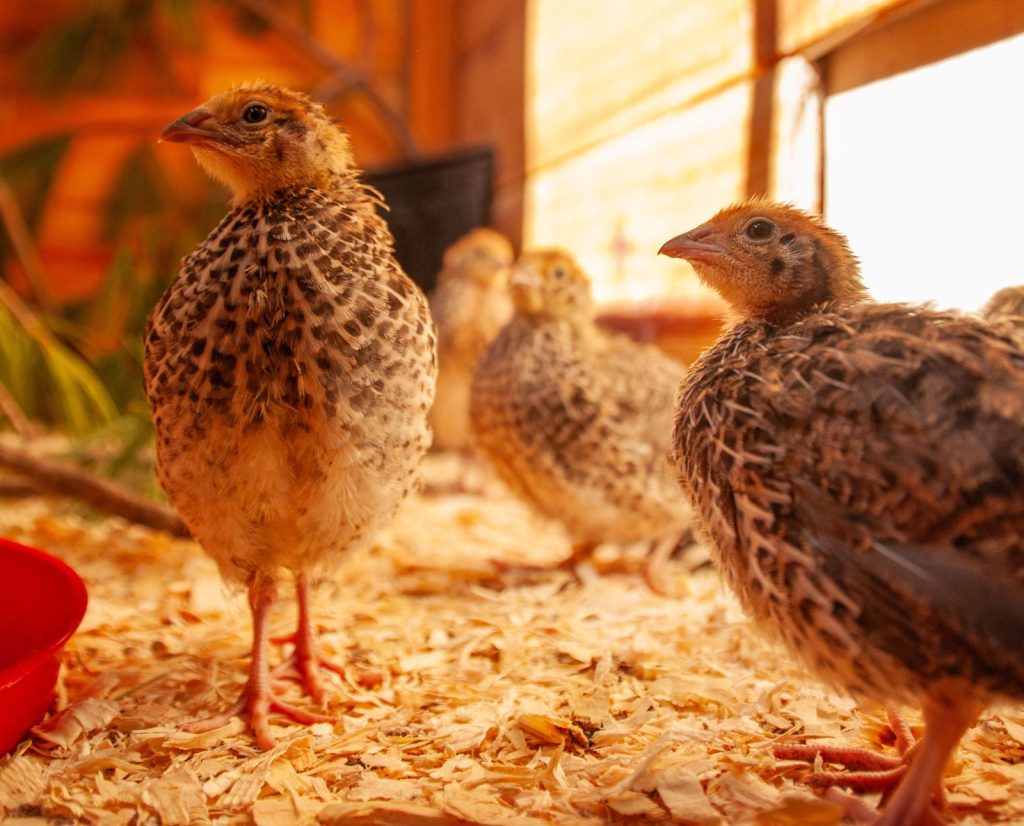
When to Skin Coturnix Quail for Best Feather Quality
This is important and perhaps something that you haven’t taken into consideration if you’re planning on skinning quail. You want to skin your quail roughly two weeks after the birds finish molting. If you have the ability to wait until autumn, you’ll find that the feathers are a slightly better quality and the skin is just a little thicker.
Pests such as mites can deteriorate the quality of a quail’s feathers. If you find that your birds have a mite issue, I don’t recommend selling those skins. This problem will have to be fixed and can be done so by making sure that your quail have a place to dust bathe and adding some diatomaceous earth into it, which helps deter mites on upland birds and poultry.
How To Skin a Coturnix Quail
This task isn’t nearly as complicated as it might seem at first, but the trick to it is taking your time. After dispatching and bleeding the quail out, lay it down breast side up. With a sharp pair of small scissors, such as those used in fly tying, gently cut through the skin from the anus up to the neck. Use the tip of your scissors or a small skinning knife to gently pull the skin from the meat until you reach the wings, then carefully use the scissors to sever the wing bone. There are plenty of great feathers there, and you’ll want to keep the wings attached to the rest of the pelt.
Read: Backyard Homesteading for Hunters: Quail, Rabbits, and Edible Landscapes
I don’t necessarily salvage the skin around the legs of the quail mostly because it tends to be a little worn down and dirty. However, I do keep the tail intact with the rest of the skin.
You will notice that the skin on a freshly dispatched quail is more easily torn than a bird that has been allowed to hang in a cold area overnight. If you are brand new to skinning quail, I recommend leaving the culled birds for a night and tackling them the following day, though as your skills with the skinning process improve, you’ll find this isn’t necessary after a while.
Drying Coturnix Quail Skins
There are two primary methods for drying coturnix quail skins: using borax or using salt. Each method depends on how the skin will be used. Borax is best for fly tying, and curing with salt is best for dog training. Additionally, stretching your quail skins is a good practice if you plan to sell them.
Methods for Drying Coturnix Quail Skins:
- Borax curing (best for fly tying)
- Salt curing (best for dog training)
- Stretching (optional additional step, but best for presentation and sale)
If you are using borax to dry coturnix quail skins, once you’ve skinned your quail, place the skin in a Tupperware container. Cover the exposed skin with borax. Leave the skin covered for two weeks or until the entire skin hardens.
In the case that the skins might be used for training dogs, do not use borax. Borax is harmful to dogs and contaminates the quail’s natural scent. Instead, use a basic Kosher salt to cure the skin. The process is the same, but in addition to being safer for dogs, the salt won’t leave that strange scent that dogs might learn to associate with quail, either.
Using salt or borax to dry your skins will work, but depending on how you would like to present the skin, especially if you are planning on selling them, will dictate if you are going to add an extra step into the drying process. That extra step is “stretching.” Stretching is done when the finished product needs to be fairly flat and splayed out. Again, it’s relatively easy to do and can be accomplished by using a piece of cardboard and some thumb tacks. Pin the skin along the edge of the pelt and, with a gentle hand, stretch the skin and pin it in several places along the outer edge.
A good tip that I learned was to wait a few days into the drying process before you decide to stretch the pelt. Three days seems to be the perfect number in my experience. This way, it will still have enough elasticity to be stretched, but not so much that the tacks might rip through the skin if you apply a little too much pressure.

How to Prepare and Store Dried Quail Skins for Sale
If you are planning on selling your quail skins, a little extra care in the presentation of the pelt can go a long way.
Once the skins are dried, brush away all of the curing salt or borax and store it for future use. I like to take a lightly dampened terry cloth and wipe out the crevasses so that no residual powder is left. Sometimes those feathers can get a little matted down during the curing process, so using a hair dryer to spruce them up a little bit will make the overall look of the plumage side more appealing. If using a hair dryer for this, put the dryer on the lightest setting. Or simply hold the dryer as far away from the feathers as possible while still maintaining the desired effect.
Store your skins in a dry place with a couple of silica packets around them for added security. This drying process will generally keep skins in quality condition for five to seven years and will provide an extra source of revenue on any homestead, which only solidifies the fact that keeping quail is always worth the time it takes. These little birds are the homesteading project that keeps on giving.
FAQ: Drying Coturnix Quail Skins
How long does it take to dry quail skins?
About two weeks, depending on humidity and curing method.
Can you use salt instead of borax?
Yes. Salt is preferred when skins will be used for dog training.
How long do dried quail skins last?
Properly stored skins can last five to seven years.